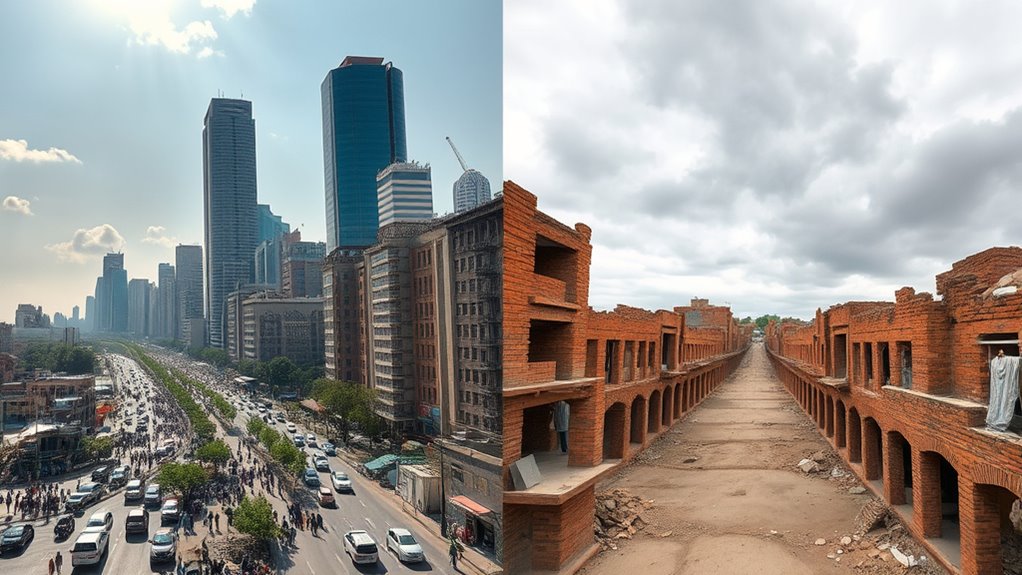
Inequality may deepen as automation shifts wealth upward; understanding who benefits and who’s left behind could change your perspective on the future economy.
Browsing Category
Post-Labor Economics
133 posts
What Happens When Work Isn’t Needed? Scenarios for the Next 50 Years
Offering a glimpse into a future where work is optional, discover how society adapts and what opportunities—and challenges—lie ahead.
Is Universal Basic Income the First Step Toward a Post-Labor Economy?
Could Universal Basic Income be the key to a post-labor society, transforming how we view work and human purpose? Continue to explore this compelling possibility.
From GDP to Wellbeing: New Metrics for an Automated Economy
Navigating beyond GDP, discover how new metrics reveal whether an automated economy truly enhances societal wellbeing and what this means for our future.
A World Without Work: Cultural and Social Shifts in a Post-Labor Era
Keen to understand how a post-labor society redefines purpose, community, and identity—will these shifts lead to a more fulfilling future?
Taxing Robots: How to Fund Society in a Post-Labor World
Fascinating strategies like taxing robots could reshape society’s future; discover how this approach might ensure economic stability and social fairness.
Rethinking Capitalism: How Do We Value Labor When Machines Do All the Work?
Overcoming traditional notions of labor valuation prompts essential questions about fairness and progress in an era dominated by machines.
The Coming Post-Work Economy: Are We Prepared for a World Without Jobs?
Prepare for a future without jobs as automation transforms society—are we truly ready for this inevitable post-work economy?
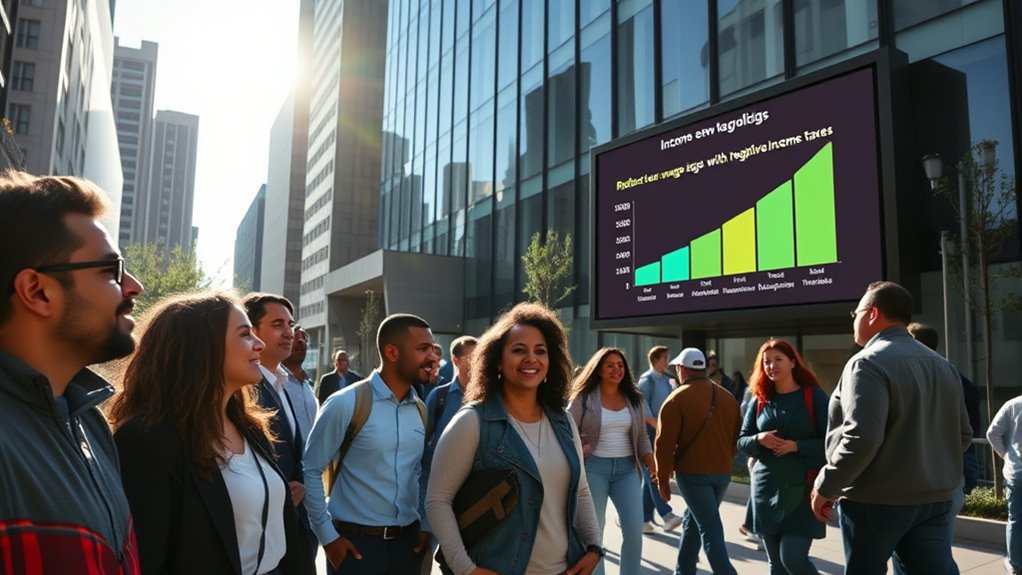
Will Negative Income Taxes Replace Minimum‑Wage Laws?
Negative Income Taxes could transform income support systems, but their implications for minimum-wage laws remain uncertain—discover the potential impacts today.
AI‑Driven Inequality: Why Some Regions Boom While Others Bust
Keen insights reveal how AI-driven growth benefits already prosperous regions, raising questions about potential widening inequality and strategies for balanced development.