
TL;DR

Get business pricing on tech for your team
- Business-only prices and quantity discounts
- Tax-exempt purchasing
- Multiple users, one account, clear invoices
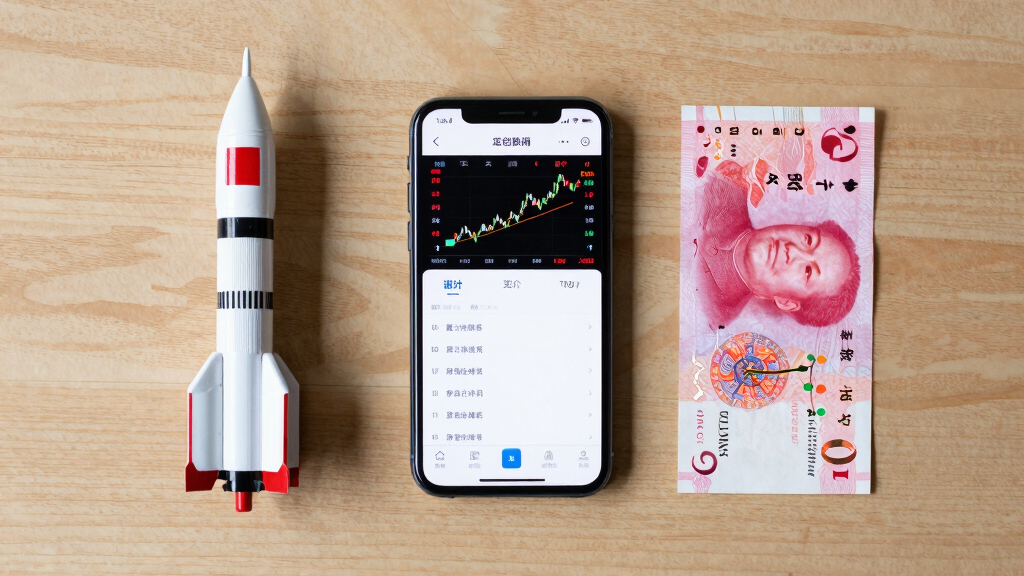
Investors from China and Russia, including a Chinese military contractor-linked entity, secretly acquired stakes in SpaceX between 2018 and 2021. These details emerge amid heightened scrutiny of foreign investments in U.S. defense-related industries.
Newly unsealed court documents reveal that Chinese and Russian investors, including an entity linked to Chinese military contractors, secretly acquired stakes in SpaceX between 2018 and 2021, raising concerns about foreign influence in a U.S. aerospace giant.
The investor list, obtained by ProPublica from a court case involving Tomales Bay Capital, shows at least a dozen investors with addresses in mainland China, Hong Kong, or Russia. These investors participated in SpaceX funding rounds via a US-based middleman, with investments ranging from $800,000 to $40 million. Notably, one investor linked to David Su, co-founder of MPCi, invested $15 million in 2020. MPCi has ties to Chinese government-backed aerospace initiatives and has invested in companies sanctioned for supporting Russian and Iranian entities. US officials are concerned that such foreign investments could pose national security risks, especially if nonpublic SpaceX information was accessed. SpaceX and the involved investors deny any improper conduct or sharing of sensitive information.
Implications for US National Security and Foreign Investment Regulations
This revelation underscores ongoing concerns about Chinese and Russian influence in critical U.S. technology sectors. Despite existing regulations, the covert nature of these investments raises questions about the effectiveness of current oversight and the potential for foreign actors to access sensitive aerospace technology, which could impact national security and technological leadership.
space industry security monitoring devices
As an affiliate, we earn on qualifying purchases.
As an affiliate, we earn on qualifying purchases.
Background on Foreign Investment in U.S. Aerospace
SpaceX, founded by Elon Musk, has secured government contracts for military and intelligence satellites, making it a strategic asset. While China is permitted to invest in some U.S. industries, investments in defense-related sectors are heavily scrutinized. Prior to its IPO, SpaceX barred Chinese and Hong Kong investors from participating, citing regulatory risks. The new disclosures reveal that some Chinese and Russian investors had acquired stakes through intermediaries, raising concerns about regulatory gaps and foreign influence.
“Mr. Su has not received any nonpublic information of SpaceX.”
— MPCi spokesperson
aerospace technology security software
As an affiliate, we earn on qualifying purchases.
As an affiliate, we earn on qualifying purchases.
Unclear Scope of Foreign Investors’ Access to Sensitive Data
It remains unknown whether any of these foreign investors, particularly those linked to Chinese military contractors, accessed nonpublic or sensitive SpaceX information. Investigations are ongoing, and SpaceX has not provided detailed disclosures regarding the extent of investor access or oversight measures.
investigation tools for cybersecurity
As an affiliate, we earn on qualifying purchases.
As an affiliate, we earn on qualifying purchases.
Regulatory and Investigative Responses Likely to Emerge
U.S. authorities are expected to review the implications of these investments, possibly tightening foreign investment regulations in aerospace. SpaceX may enhance due diligence on investors, and congressional inquiries could follow to assess security risks. The company’s IPO process might also be scrutinized for compliance issues.
foreign investment security kits
As an affiliate, we earn on qualifying purchases.
As an affiliate, we earn on qualifying purchases.
Key Questions
How did Chinese and Russian investors acquire stakes in SpaceX?
They invested through U.S.-based middlemen, such as Tomales Bay Capital, between 2018 and 2021, often with relatively small amounts.
There is no evidence that SpaceX shared nonpublic information. Both the company and investors deny any improper conduct.
Could these investments impact U.S. national security?
Potentially, if foreign investors gained access to sensitive information or influenced strategic decisions. Authorities are investigating these concerns.
Will regulations change because of this revelation?
U.S. regulators may consider tightening rules on foreign investments in defense-related industries, especially in high-profile tech companies like SpaceX.
What is SpaceX’s response to these disclosures?
SpaceX has not issued a formal response but has previously stated that it complies with all applicable regulations and that investors did not receive nonpublic information.
Source: Ars Technica
Fall Picks
fall essentials
As an affiliate, we earn on qualifying purchases.