TL;DR
A Hollywood animation student used AI for a project, winning an award and attracting industry attention. This case exemplifies growing AI influence in entertainment, raising questions about job security and industry changes.
A Hollywood animation student successfully used AI to create a project that won a Student Academy Award, exemplifying the rising influence of artificial intelligence in the entertainment industry. This development highlights the growing integration of AI tools into creative workflows, raising concerns about job security for artists and the future of traditional animation roles.
Xindi Zhang, a recent graduate of the University of Southern California’s Expanded Animation Research and Practice program, trained an AI model to reimagine her footage and illustrations, producing watercolorlike, dream-inspired clips. Her project earned her a Student Academy Award last year, attracting attention from visual-effects studios eager to employ AI-savvy talent.
The incident underscores a broader industry trend: major studios like Lionsgate, Netflix, and Amazon MGM are investing heavily in AI technology, integrating it into production pipelines and experimenting with AI-assisted content creation. These moves have sparked concern among artists and unions about potential job losses, especially for animators, visual-effects artists, and storyboarders.
Meanwhile, academic programs focused on traditional animation are facing closures or dwindling enrollments, partly due to the industry’s shift toward AI-driven processes. USC’s program, once a hub for emerging talent, shut down last month, and others face similar threats, reducing pathways for new artists to adapt to the evolving landscape.
Implications of AI Adoption for Hollywood Artists
This case illustrates how AI is becoming a valuable tool in Hollywood, with studios increasingly relying on AI for previsualization, animation, and basic filmmaking tasks. While AI can boost productivity and creativity, it also poses risks to traditional artist roles, potentially leading to job displacement and a reshaping of industry skill requirements.
For artists, unions, and educational institutions, the development signals a need to adapt quickly. The success of Zhang’s project shows that AI skills can open new career opportunities, but the decline of traditional training programs highlights the challenges many face in staying relevant amid rapid technological change.

Moho Pro 14 | Professional animation software for PC and macOS
- Vector Drawing Tools: Optimized for animation and PSD integration
- Advanced Rigging System: Includes Smart Bones, Vitruvian Bones, FK & IK
- Mesh Creation: Simulate 3D rotations and manipulate images
As an affiliate, we earn on qualifying purchases.
As an affiliate, we earn on qualifying purchases.
Industry Shifts and the Rise of AI in Animation
Over the past decade, Hollywood has seen a transition from hand-drawn and physically crafted animation to digital and CGI methods. Recently, this shift has accelerated with the integration of generative AI tools, which can automate tasks like storyboarding, concept art, and even animation sequences. Major studios have begun investing in AI startups and developing proprietary tools, aiming to streamline production and reduce costs.
Historically, technological change in Hollywood has led to periods of upheaval but also new employment opportunities. However, the current wave of AI adoption raises concerns about whether traditional creative roles can survive this transition. Academic programs that trained artists in conventional techniques are closing or shrinking, limiting new talent’s ability to learn and adapt.
While some industry leaders see AI as a creative partner, critics warn it could diminish the value of human artistry and lead to job cuts, especially at entry levels. The recent recognition of Zhang’s AI-assisted work exemplifies a potential new pathway for artists, but the broader industry remains uncertain about the long-term impact.
“AI morphing allowed me to create dreamlike visuals that wouldn’t have been possible with traditional methods. It opened new doors for my career.”
— Xindi Zhang
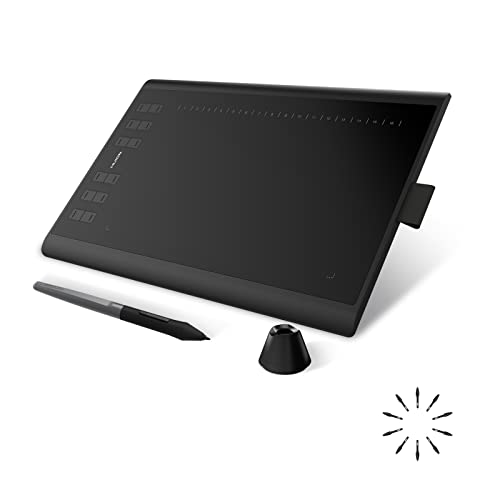
HUION Inspiroy H1060P Graphics Drawing Tablet, 10 x 6.25 in, 12+16 Hot Keys
- Working Area Size: 10 x 6.25 inches
- Slim and Attractive Design: 10mm slim structure
- Tilt Functionality: ±60° tilt support
As an affiliate, we earn on qualifying purchases.
As an affiliate, we earn on qualifying purchases.
Unresolved Questions About AI’s Long-Term Impact
It remains unclear how widespread AI adoption will become in Hollywood and whether traditional artist roles will be preserved or significantly reduced. The long-term effects on employment, training programs, and creative authenticity are still uncertain, with industry leaders divided on the future trajectory.
Moreover, the regulatory and ethical frameworks governing AI use in media are still evolving, adding another layer of uncertainty to how studios and artists will navigate this transition.
As an affiliate, we earn on qualifying purchases.
Future Developments and Industry Responses
Expect ongoing experimentation with AI tools across Hollywood, with studios possibly increasing investments in AI-driven workflows. Simultaneously, artist unions and educational institutions are likely to advocate for policies that protect creative jobs and ensure skill development in new technologies.
Industry stakeholders may also push for clearer regulations and standards around AI-generated content, aiming to balance innovation with job security. The success of Zhang’s project could serve as a model for integrating AI into the creative process without displacing human talent.

The Art and Science of AI in Education: Simple Classroom Integration Strategies – A Teacher’s Guide to Streamlined Workload, Ethical Practices and … Engagement (Generative AI in The Real World)
As an affiliate, we earn on qualifying purchases.
As an affiliate, we earn on qualifying purchases.
Key Questions
How is AI currently being used in Hollywood animation?
AI is being used for previsualization, concept art, animation automation, and visual effects enhancement. Studios are experimenting with AI models to streamline workflows and reduce costs.
Will AI replace human artists entirely?
It is uncertain. While AI can automate certain tasks, many experts believe human creativity and judgment remain essential. The industry is likely to see a hybrid approach, but job displacement remains a concern.
Are educational programs adapting to teach AI skills?
Some programs are incorporating AI training, but many traditional animation schools are facing closures or reduced enrollment, limiting new talent’s ability to learn these skills.
What can artists do to stay relevant in an AI-driven industry?
Artists can focus on developing skills in AI tools, digital workflows, and creative concepts that AI cannot replicate. Staying adaptable and learning new technologies will be key.
What is the industry’s stance on regulating AI use in media?
Regulatory discussions are ongoing, with some advocating for clear guidelines to protect creative jobs and intellectual property, but no definitive policies have been established yet.
Source: The Atlantic