
TL;DR
Chinese companies like DJI, Insta360, Dreame, and Roborock now control the majority of markets once dominated by U.S. pioneers such as GoPro and iRobot. This shift reflects broader trends in consumer tech, driven by manufacturing scale and rapid innovation in China.
Chinese consumer tech companies now dominate markets once led by American pioneers such as GoPro and iRobot, marking a major shift in the global industry landscape. This development affects the competitiveness of U.S. firms and signals the rising influence of Chinese manufacturing and innovation.
In the action-camera market, GoPro’s global market share has plummeted from an estimated 75% in 2022 to roughly 18% in 2026, according to industry analysts. Meanwhile, Chinese brands DJI and Insta360 have captured over 80% of the market, driven by rapid product cycles and AI-powered features. GoPro disclosed in a regulatory filing that its future viability is uncertain, citing rising costs from the global chip shortage and intense competition.
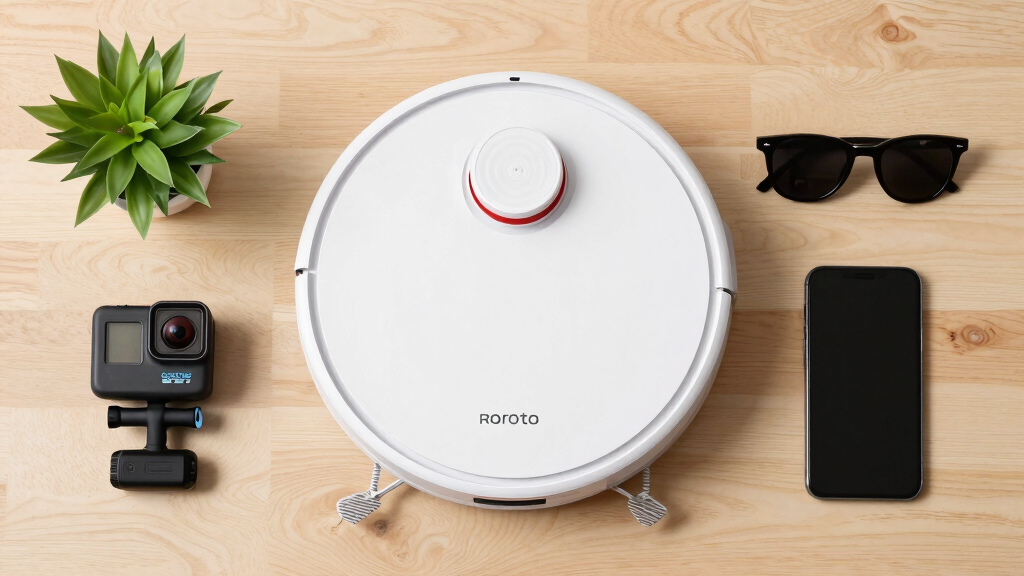
Similarly, in the robot vacuum sector, Chinese brands Dreame and Roborock have become dominant players, while the American company iRobot, inventor of the Roomba, filed for bankruptcy in December 2025 and was acquired by Chinese manufacturer Picea Robotics. This mirrors broader trends where Chinese companies are expanding their global footprint in consumer electronics, often outpacing Western incumbents in innovation, scale, and pricing.
Impact of Chinese Market Leadership on Western Tech Firms
The rise of Chinese brands over U.S. pioneers signifies a major shift in global consumer technology, affecting industry competition, innovation, and supply chains. Western companies face increased pressure to adapt or risk obsolescence, while Chinese firms gain influence through rapid product development and manufacturing scale. The trend also raises concerns about data security and geopolitical implications, especially as Chinese firms expand into markets worldwide.

AKASO EK7000 4K30FPS 20MP WiFi Action Camera with EIS Ultra HD 131FT Waterproof Underwater Camera Remote Control 4X Zoom Support External Microphone Black
- 4K Ultra HD Video: Records 4K30FPS videos and 20MP photos
- Electronic Image Stabilization: Ensures steady, smooth footage
- Waterproof up to 131ft: Suitable for underwater adventures
As an affiliate, we earn on qualifying purchases.
As an affiliate, we earn on qualifying purchases.
Background of Market Shifts in Consumer Tech
Historically, U.S. companies like GoPro and iRobot led their respective markets, with GoPro dominating action cameras since 2002 and iRobot pioneering home robot vacuums. However, starting around 2019, Chinese firms such as DJI and Insta360 entered the action-camera market, offering more advanced features at lower prices. Their rapid product releases and AI integrations accelerated market share gains. Similarly, in robot vacuums, Chinese brands like Dreame and Roborock expanded aggressively, leveraging manufacturing scale and innovation to displace Western firms. The decline of iRobot, once a leader in home robotics, underscores this shift.
“The decline of GoPro and iRobot reflects broader industry trends where manufacturing scale and rapid innovation are decisive factors.”
— a tech market expert

Shark AV2501AE AI Robot Vacuum with XL HEPA Self-Empty Base, Bagless, 60-Day Capacity, LIDAR Navigation, Perfect for Pet Hair, Compatible with Alexa, Wi-Fi Connected, Carpet & Hard Floor, Black
- Powerful Suction: Removes dirt from all floor types
- Precise Matrix Navigation: Ensures thorough, deep cleaning coverage
- Self-Emptying Base: Holds up to 60 days of debris
As an affiliate, we earn on qualifying purchases.
As an affiliate, we earn on qualifying purchases.
Unclear Future of U.S. Consumer Tech Leadership
It remains uncertain whether U.S. companies like GoPro and iRobot can recover or adapt to the rising dominance of Chinese rivals. While some firms are exploring new markets, such as GoPro’s pivot to defense and aerospace, the long-term impact of geopolitical tensions and data security concerns on their global competitiveness is still developing. The pace of Chinese innovation and manufacturing scale continues to outstrip many Western firms’ capabilities, but how this will evolve remains unclear.

DJI Avata 2 FPV Drone with 4-Battery Fly More Combo, 4K Video, 128GB Memory sd Card, Beginner to Advanced Bundle
- Video Resolution: Ultrawide 4K HDR 155° FOV
- Sensors: Down/Back Binocular Fisheye Sensors
- Transmission Range: Up to 8.1 Miles
As an affiliate, we earn on qualifying purchases.
As an affiliate, we earn on qualifying purchases.
Next Steps for Western Companies Facing Chinese Competition
Western firms may need to focus on niche markets, security, and high-end innovation to remain competitive. Regulatory and geopolitical factors could influence their strategies, especially concerning data security concerns associated with Chinese-made devices. Industry observers anticipate continued consolidation and strategic pivots, with some Western companies exploring partnerships or new technological domains to counteract Chinese dominance.

ROPVACNIC Robot Vacuum Cleaner Robot Vacuum and Mop Combo with 5200Pa Suction, Personalized Cleaning Adjustments, Self-Charging Robotic Vacuum Cleaner, Advanced Obstacle Avoidance
- 2-in-1 Vacuum and Mop: Advanced electronic mopping technology with adjustable water tank
- Smart Control Options: Multiple cleaning modes and app/voice control
- Powerful 5200Pa Suction: Strong suction with 3-point cleaning system for thorough dirt removal
As an affiliate, we earn on qualifying purchases.
As an affiliate, we earn on qualifying purchases.
Key Questions
Why have Chinese brands overtaken U.S. pioneers in consumer tech?
Chinese brands have gained market share through rapid product development, AI integration, manufacturing scale, and competitive pricing, outpacing U.S. companies in innovation and production speed.
What impact does this shift have on global consumer markets?
The shift signifies a redistribution of industry influence, with Chinese firms expanding their global footprint, potentially affecting supply chains, innovation leadership, and geopolitical dynamics.
Can U.S. companies still compete effectively?
While challenging, U.S. companies may focus on high-end, security-sensitive markets or niche segments, but their ability to regain dominance remains uncertain amid Chinese firms’ rapid growth.
What are the risks associated with Chinese consumer tech products?
Concerns include data security and privacy risks, as many Chinese devices rely on sensors, cameras, and connectivity that could potentially be exploited for surveillance or data theft.
What does this mean for future innovation in consumer technology?
The trend suggests Chinese firms will continue to push technological boundaries, potentially leading to faster innovation cycles and new product categories, challenging Western firms to adapt quickly.
Source: Rest of World