
TL;DR

Get business pricing on tech for your team
- Business-only prices and quantity discounts
- Tax-exempt purchasing
- Multiple users, one account, clear invoices
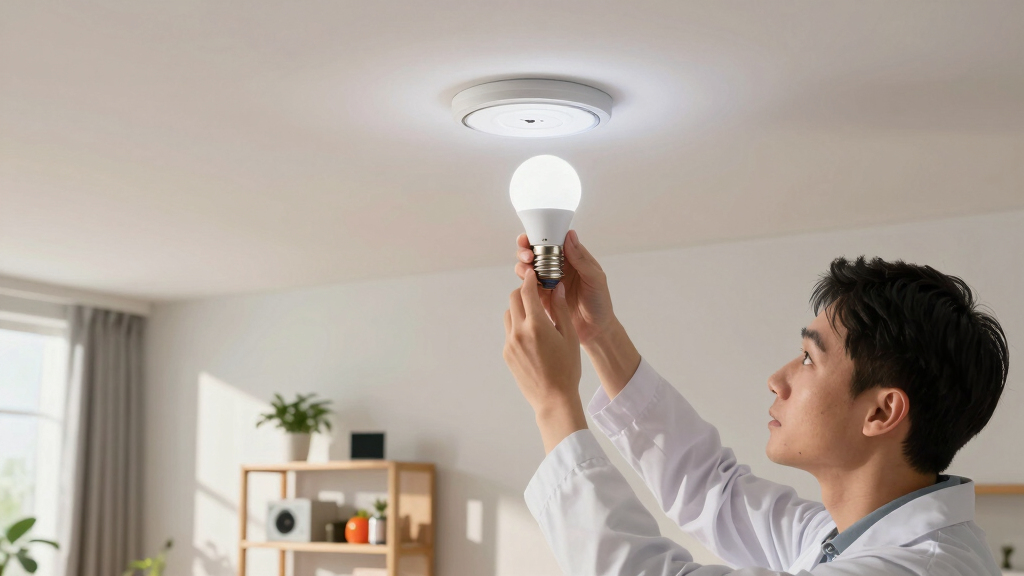
An anonymous researcher has developed an open source project that transforms a Wi-Fi smart lightbulb into a covert library of banned books. The prototype uses ESP32 firmware and is designed for resilience and stealth.
An anonymous security researcher has turned a Wi-Fi-enabled smart lightbulb into a covert library of banned books, making the library accessible via open Wi-Fi networks. The project, which is open source, demonstrates a new way to host and distribute digital banned literature using inexpensive IoT devices, raising questions about digital resistance and privacy.
The researcher used an ESP32C3-based smart bulb flashed with Tasmota firmware to create a stealth library. Despite hardware limitations, particularly a 4MB total storage capacity, the researcher optimized the filesystem to reserve nearly half for banned books, employing compression techniques. The prototype hosts a server and broadcasts an open Wi-Fi network, allowing users to access the library without cloud dependencies or sensitive credentials. The project aims to provide a resilient, low-cost method of digital resistance, inspired by cyberpunk themes and anti-corporate narratives. The open source code is available on Codeberg, enabling others to replicate or expand the project, though modifying the firmware carries risks of ‘bricking’ the device.
Potential Impact on Digital Resistance and Privacy
This project highlights how inexpensive IoT devices can be repurposed for covert information sharing, challenging traditional notions of digital censorship and surveillance. It demonstrates the potential for individuals to create resilient, decentralized platforms for sensitive content without relying on centralized servers or cloud services. The open source nature encourages further experimentation and raises questions about digital security, privacy, and censorship resistance in the age of pervasive IoT technology.
As an affiliate, we earn on qualifying purchases.
Background on IoT Devices and Digital Resistance
Smart lightbulbs, especially those based on ESP32 chips, have become popular in the maker community for their programmability and connectivity. Previous efforts have explored their security vulnerabilities, but this project repurposes them as tools for digital resistance. The idea draws inspiration from cyberpunk fiction and real-world activism, where covert channels and decentralized hosting are used to bypass censorship. The project builds on existing open-source firmware efforts and IoT hacking techniques, exemplifying how consumer devices can be leveraged for political or social resistance.
“This project demonstrates that even simple, inexpensive IoT devices can serve as resilient, covert platforms for hosting and sharing sensitive information like banned books.”
— an anonymous researcher
Tasmota firmware compatible smart bulb
As an affiliate, we earn on qualifying purchases.
As an affiliate, we earn on qualifying purchases.
Unclear Security and Legal Implications
It remains uncertain how authorities might respond to such covert hosting devices, especially if deployed at scale. The security of the project against potential hacking or detection is also not fully tested. Additionally, legal implications of hosting or distributing banned books via such devices vary by jurisdiction and are not addressed by the project itself.
As an affiliate, we earn on qualifying purchases.
Next Steps for Development and Adoption
The developer plans to expand the project by improving storage efficiency and adding features like remote updates. Community members may adapt the design for different content or deployment scenarios. Further testing and potential legal discussions are expected as the project gains visibility within maker and digital rights communities.
As an affiliate, we earn on qualifying purchases.
Key Questions
Can I replicate this project with my own smart lightbulb?
Yes, the open source code and guides are available on Codeberg, and the project is designed to be replicable with compatible ESP32-based smart bulbs. However, modifying firmware carries risks of damaging the device, so proceed carefully.
Is hosting banned books on a smart bulb legal?
Legal considerations vary by jurisdiction. Hosting or distributing banned books may violate local laws, and users should be aware of potential legal consequences before attempting to deploy such devices.
How secure is the system against hacking or detection?
The project emphasizes resilience and stealth, but security against hacking or detection depends on deployment practices. The open source nature allows for community review, but no system is entirely invulnerable.
Could authorities disable or trace these devices?
While the devices broadcast open Wi-Fi networks and do not rely on cloud services, they could potentially be detected and disabled through network monitoring or physical intervention. The project aims to maximize stealth but cannot guarantee invisibility.
Source: Tom’s Hardware: For The Hardcore PC Enthusiast
Fall Picks
fall essentials
As an affiliate, we earn on qualifying purchases.