
TL;DR
Samsara has announced a new, small tracking label that offers real-time location data for shipments. It leverages existing infrastructure and aims to help prevent cargo theft and improve supply chain security.
Samsara has introduced a new, disposable tracking label that uses Bluetooth technology and a zinc battery to provide real-time location data for cargo shipments. The device is designed to be small, affordable, and easy to deploy, aiming to help combat cargo theft and improve shipment management.
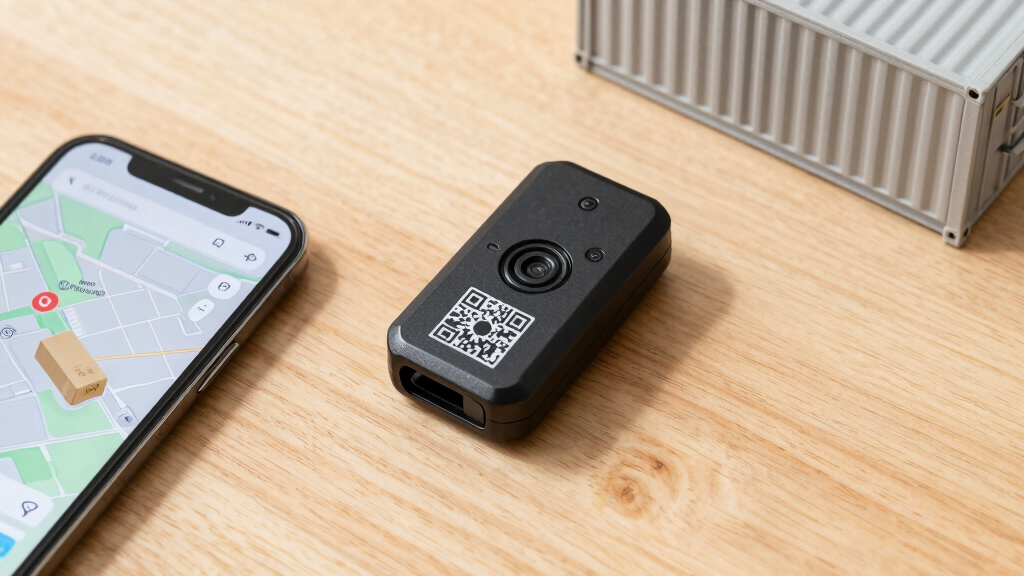
The Samsara Tracking Label resembles a standard shipping label but contains a zinc battery and Bluetooth low energy tech that can be detected by Samsara’s existing network of sensors and cameras. Once activated, the label can transmit its location for approximately 45 days, with a standby period of up to nine months in sleep mode. It is intended primarily for critical shipments, especially in industries vulnerable to theft or delays.
Samsara’s vice president of connected equipment explained that the device is a response to customer feedback for a smaller, more cost-effective, and one-way tracking solution. Unlike previous solutions, the Tracking Label is designed to be disposable after use, eliminating the need for retrieval, and leveraging Samsara’s extensive sensor network to provide continuous location updates.
This innovation could significantly improve supply chain visibility and security, especially in regions or sectors where cargo theft is prevalent. The company also sees potential for the device to enable quicker decision-making in cases of shipment delays or rerouting, shifting logistics from reactive to proactive management.
Potential Impact on Cargo Security and Supply Chain Management
The introduction of Samsara’s Tracking Label could mark a notable advancement in cargo security, providing real-time tracking that may deter theft and enable faster response to theft incidents. Its deployment could help reduce financial losses and increase transparency in supply chains. Additionally, the device’s ability to facilitate rapid decision-making could improve operational efficiency and customer satisfaction for large logistics companies.
While the device is primarily aimed at large-scale shipments, its success may influence industry standards for cargo tracking and security measures across the logistics sector, possibly encouraging competitors to develop similar solutions.

Hybsk Cargo Aircraft Only Warning Labels 4 x 4 Inch Total 100 Adhesive Stickers On a Roll
- Cargo Aircraft Warning Labels: Cargo aircraft only warning labels
- Size and Quantity: 4×4 inch, 100 labels per roll
- Regulatory Compliance: Helps meet D.O.T., I.A.T.A., ICAO standards
As an affiliate, we earn on qualifying purchases.
As an affiliate, we earn on qualifying purchases.
Existing Challenges in Cargo Tracking and Theft Prevention
Global cargo theft has become increasingly sophisticated, with many shipments going dark between checkpoints at ports or distribution centers. Current tracking methods like RFID are limited to proximity and often fail if a package falls off a vehicle or moves outside of scanner range. Samsara’s network of sensors and cameras has been used for fleet management and asset tracking, but the new Tracking Label aims to extend real-time visibility to shipments in transit.
Previous solutions, such as Samsara’s Asset Tag, were larger and more expensive, making them suitable only for high-value cargo. Customers expressed a need for a smaller, cheaper, one-way device that could be used on a variety of shipments without the requirement of retrieval, prompting Samsara’s development of this new product.
“The Tracking Label is a response to customer feedback for a small, disposable, real-time tracking device that can be affixed to any shipment.”
— an anonymous Samsara executive

Piritiz Disposable Freight Tracker – Single-Use Shipment & Cargo Tracking Device for Trailers, Pallets, LTL & Containers 30-Day Battery, Anti-Theft Location Monitoring, No Subscription
- Disposable and Single-Use: Drop in, track, and toss after delivery
- Slim and Discreet Design: Fits inside pallets, cartons, or documents
- 30-Day Battery Life: Operates fully for 30 days without charging
As an affiliate, we earn on qualifying purchases.
As an affiliate, we earn on qualifying purchases.
Unanswered Questions About Deployment and Effectiveness
It is not yet clear how widely Samsara plans to roll out the Tracking Label or how effective it will be in deterring theft in real-world scenarios. The actual impact on cargo theft reduction remains to be seen, as the device’s success depends on adoption rates and integration with existing security measures. Additionally, questions remain about how the device will perform in harsh environments or if there are any limitations in detection range or battery life beyond initial specifications.
cargo theft prevention Bluetooth tags
As an affiliate, we earn on qualifying purchases.
As an affiliate, we earn on qualifying purchases.
Next Steps for Adoption and Industry Impact
Samsara is expected to begin pilot programs with select logistics partners in the coming months, with broader commercial availability likely later this year. Monitoring the deployment and performance of the Tracking Label will be critical to assessing its real-world effectiveness. Industry observers will also watch for how competitors respond and whether similar solutions gain traction across the logistics sector.

Smart Labels QR Code Stickers with AI Photo Analysis App – Auto-Creates Item Descriptions – No Typing – Made in USA – QR Code Labels for Storage & Inventory Tracking, Organization & Moving, Pack of 48
- Color-Coded QR Code Organization: Seamless storage management with color codes
- AI Photo-Based Item Descriptions: Auto-creates descriptions from photos, no typing
- Mobile App Compatibility: Manage labels via iOS and Android devices
As an affiliate, we earn on qualifying purchases.
As an affiliate, we earn on qualifying purchases.
Key Questions
How does the Samsara Tracking Label work?
The device uses Bluetooth low energy technology powered by a zinc battery to transmit its location, detected by Samsara’s existing network of sensors and cameras, providing real-time tracking for up to 45 days after activation.
Can the Tracking Label be reused?
No, it is designed to be disposable after use, making it suitable for one-way shipments where retrieval is impractical.
Will this device prevent cargo theft?
While it aims to improve visibility and enable quicker responses, its actual effectiveness in reducing theft will depend on deployment scale and integration with other security measures.
What industries will benefit most from this technology?
Primarily large logistics and supply chain companies handling high-value or vulnerable shipments are expected to benefit most, especially in regions with high theft rates.
When will the Tracking Label be available commercially?
Samsara plans to begin pilot programs soon, with wider availability anticipated later this year, though specific dates have not yet been announced.
Source: TechCrunch