
TL;DR

Get business pricing on tech for your team
- Business-only prices and quantity discounts
- Tax-exempt purchasing
- Multiple users, one account, clear invoices
More than 75% of Japan’s wagyu beef market consists of top-grade A5 beef, prompting producers to expand exports due to oversupply at home. This shift impacts both domestic prices and international trade dynamics.
More than 75% of Japan’s wagyu beef market is now composed of A5 grade, the highest quality, as domestic oversupply and declining consumer spending push producers to expand exports.
Data from industry sources indicate that A5 wagyu accounts for over three-quarters of Japan’s wagyu beef sales, a significant increase from previous years. The oversupply has led to a drop in domestic prices, prompting producers to target international markets more aggressively. This trend is driven by a combination of market saturation, inflationary pressures reducing consumer spending on premium foods, and a competitive push among producers to find new demand outside Japan.
Exports of wagyu beef, especially A5 grade, have risen sharply in recent months, with major destinations including the United States, China, and Southeast Asia. Industry officials say this shift is likely to continue as producers seek to stabilize prices and reduce inventory levels. However, the extent of future export growth remains subject to global trade policies and international demand fluctuations.
Implications of Market Saturation for Japan’s Wagyu Industry
The dominance of A5 wagyu in Japan’s market signifies a shift in industry focus toward international markets, potentially transforming the country’s beef export landscape. This trend could lead to increased global recognition of Japanese wagyu and help stabilize prices amid domestic oversupply. However, it also raises questions about the sustainability of the domestic market and the potential impact on local producers if export demand fluctuates.
As an affiliate, we earn on qualifying purchases.
Background on Japan’s Wagyu Market and Export Trends
Japan’s wagyu beef industry has traditionally been characterized by high-quality grading, with A5 representing the top tier. Over recent years, domestic consumption has declined due to inflation and changing consumer preferences, leading to an oversupply of premium beef. Industry reports from Nikkei Asia indicate that producers have increasingly turned to exports to manage inventory and maintain profitability. The rise in international demand, especially from China and the US, has coincided with government efforts to promote Japanese agricultural exports. Prior to this development, the market share of A5 wagyu was growing steadily, but recent data confirm that it now exceeds 75%, marking a significant milestone.
“The dominance of A5 beef reflects both quality branding and a response to market saturation at home.”
— an anonymous researcher
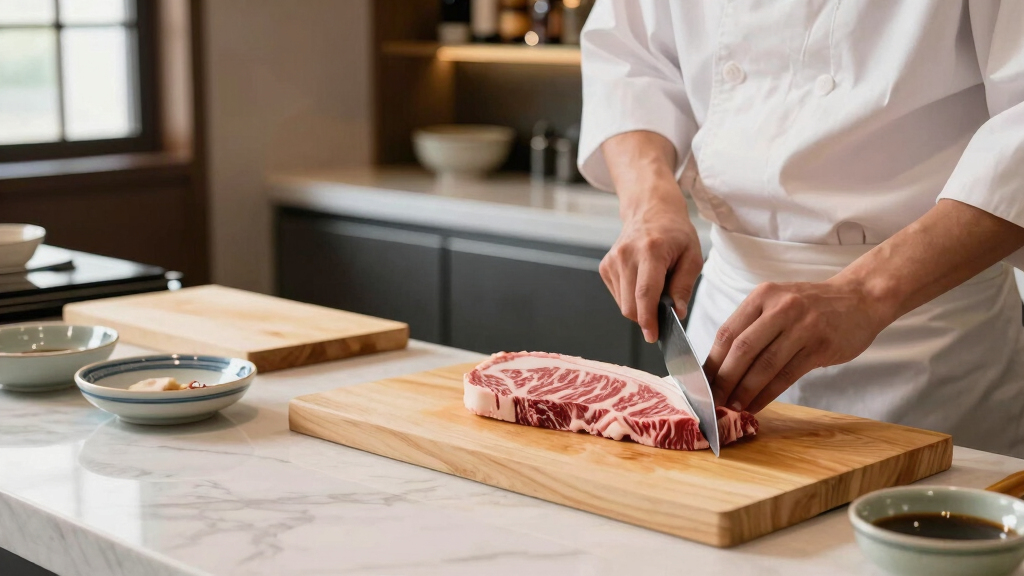
Japanese Wagyu beef premium cuts
As an affiliate, we earn on qualifying purchases.
As an affiliate, we earn on qualifying purchases.
Unclear Long-Term Effects of Export Expansion
It is not yet clear how sustainable the current export growth is or whether domestic demand will rebound. The impact of global trade policies and international competition on Japan’s wagyu exports remains uncertain, and future market share shifts are still developing.
As an affiliate, we earn on qualifying purchases.
Future Trends in Japan’s Wagyu Export Strategy
Producers are expected to continue expanding exports, with efforts likely to focus on diversifying markets and improving branding internationally. Monitoring global demand and trade policies will be crucial for assessing the long-term stability of this trend. Additionally, domestic market adjustments may occur if prices remain low or if consumer preferences shift back.
As an affiliate, we earn on qualifying purchases.
Key Questions
Why is A5 wagyu now so dominant in Japan’s market?
Producers have shifted to focus on the highest quality to differentiate their products amid oversupply and declining domestic demand, leading to A5 beef accounting for over 75% of sales.
How are exports of wagyu beef changing?
Exports of A5 wagyu have increased significantly, with major markets including the US, China, and Southeast Asia, as producers seek to offset domestic oversupply.
What are the risks of Japan relying on exports for wagyu sales?
Dependence on international demand exposes producers to global trade fluctuations, tariffs, and changing consumer preferences, which could impact future export stability.
Will domestic demand recover?
It remains uncertain; factors such as inflation, consumer spending habits, and market saturation will influence whether domestic demand rebounds or continues to decline.
What is the significance of this market shift for Japanese agriculture?
This shift could enhance Japan’s global reputation for high-quality wagyu, diversify revenue streams, and influence industry practices, but also poses challenges if export markets face disruptions.
Source: Nikkei Asia
Fall Picks
fall essentials
As an affiliate, we earn on qualifying purchases.