
TL;DR

Get business pricing on tech for your team
- Business-only prices and quantity discounts
- Tax-exempt purchasing
- Multiple users, one account, clear invoices
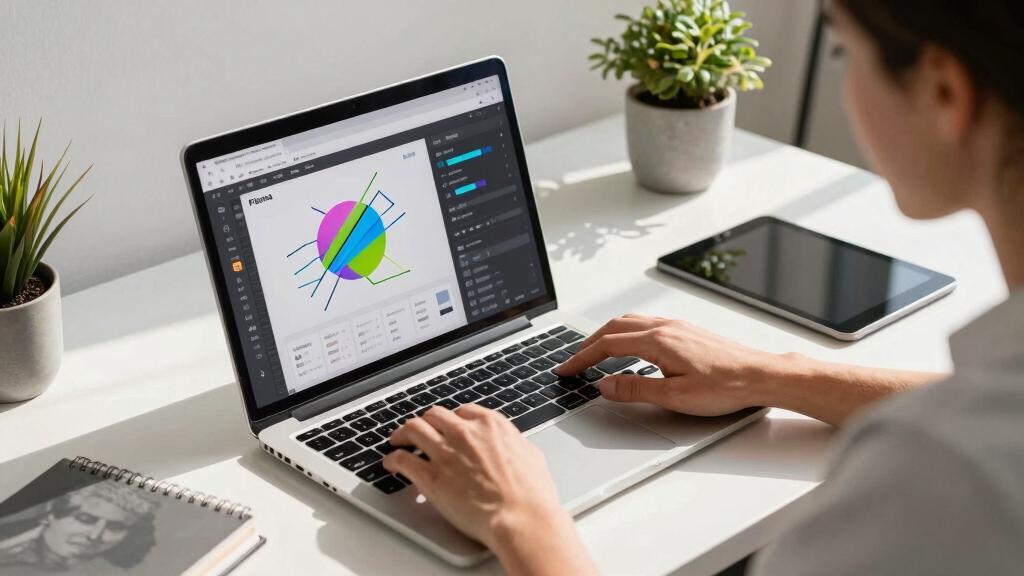
Figma announced new AI-driven motion graphics and shader tools at its annual Config conference, enabling users to create animations and visual effects via prompts. These updates aim to streamline design workflows and integrate AI more deeply into creative processes.
Figma has launched new AI-powered motion graphics and shader tools during its annual Config conference, marking a significant upgrade to its design platform aimed at automating complex visual effects and animations. These features are designed to help creators produce dynamic visuals more efficiently and integrate AI-driven workflows into their projects.
The new features include AI-generated motion effects, allowing users to describe animations and transitions via a chatbot interface, and shader effects powered by WebGPU, enabling effects like dithering, pixelation, and blurring directly on the Figma canvas. Additionally, Figma has introduced code layers that allow direct editing of project code within the design environment, and the Weave workflows that simplify complex AI processes into accessible tools.
These updates were announced at Figma’s Config conference, aiming to combine full-stack development, AI automation, and collaborative design in a unified workspace. The motion tools are connected to design systems and ready for production, while shader effects expand the visual treatments available within Figma, previously limited to basic fills and effects.
Figma also revealed plans to integrate these features more deeply later this year, including a full connection between Figma and Figma Weave, which will streamline AI workflows further and enhance team collaboration through reusable plugins and skills.
Implications for Creative and Development Workflows
The integration of AI motion graphics and shader tools into Figma represents a major step toward automating complex visual effects within a collaborative design environment. This development could reduce the time and technical skill required for creating animations and visual effects, making advanced design techniques more accessible to a broader range of users. It also signals Figma’s push to become a more comprehensive platform that blends design, coding, and AI-driven automation, potentially influencing industry standards and workflows for digital creators and development teams worldwide.
As an affiliate, we earn on qualifying purchases.
Figma’s Recent Expansion into AI-Driven Design Tools
Figma has been steadily expanding its platform capabilities, with recent updates focusing on integrating AI to automate repetitive tasks and enhance creative expression. Prior to this announcement, Figma introduced features like code layers for direct code editing and collaborative design tools. The new AI motion and shader tools build on this momentum, emphasizing automation and advanced visual effects. This aligns with broader industry trends where design platforms are increasingly incorporating AI to streamline workflows and foster innovation.
The company’s emphasis on full-stack development and AI integration has been highlighted in previous product launches, positioning Figma as a versatile tool for both designers and developers. The current updates are part of a strategic effort to deepen this integration and expand the platform’s creative possibilities.
“Figma’s new AI motion and shader tools could significantly lower the barrier to creating complex animations and visual effects, making advanced design more accessible.”
— an anonymous researcher
As an affiliate, we earn on qualifying purchases.
Unclear Aspects of Implementation and Adoption
Details about the rollout timeline for these features to all users remain unclear, and it is not yet confirmed how broadly accessible the AI motion and shader tools will be initially. Additionally, the extent of AI automation—such as the accuracy of generated effects and user control—has not been fully disclosed, and real-world adoption will depend on user feedback and platform stability.
As an affiliate, we earn on qualifying purchases.
Next Steps for Figma’s AI-Enhanced Features
Figma plans to expand these tools later this year with deeper integration between its AI workflows and design environment. Users can expect updates that improve usability, introduce new shader effects, and enable more sophisticated automation. Monitoring user feedback and adoption rates will be key indicators of how these features influence the platform’s evolution and industry impact.
As an affiliate, we earn on qualifying purchases.
Key Questions
How do the new AI motion graphics tools work?
Users can describe the desired animation or transition via a chatbot interface, and Figma’s AI generates the motion effects, which can be fine-tuned manually or through preset styles.
What are shader effects, and how are they used in Figma?
Shader effects are visual treatments like dithering, pixelation, and blurring powered by WebGPU, which can be applied directly on the canvas by prompting the AI or selecting preset styles.
Will these features be available to all Figma users immediately?
It is not yet clear when these features will be broadly available; they are currently part of an ongoing rollout, with further updates expected later this year.
Do these updates require advanced technical skills?
No, the AI prompts and integrated tools are designed to be accessible, allowing users without coding expertise to create complex effects and animations.
How might these tools impact collaborative workflows?
By enabling teams to generate and refine visual effects through simple prompts and reusable plugins, these tools could streamline collaboration and reduce project turnaround times.
Source: The Verge
Fall Picks
fall essentials
As an affiliate, we earn on qualifying purchases.