

📊 Full opportunity report: The SSD Squeeze: Why Storage Joined the Party on ThorstenMeyerAI.com — validation score, market gap, and execution plan.
TL;DR
Storage prices are increasing sharply as NAND supply tightens due to high demand from AI applications and wafer competition. Major manufacturers have cut production targets, intensifying shortages for enterprise and consumer markets. The situation is expected to persist, affecting pricing and availability.
Storage prices are rising sharply in 2026 as NAND flash memory shortages intensify, driven by increased demand from artificial intelligence applications and deliberate supply constraints by manufacturers. This shift marks a departure from the era when storage was consistently cheap and abundant, impacting both enterprise and consumer markets.
For most of the past decade, NAND flash memory, used in SSDs, was a low-cost component, with prices dropping steadily. However, in early 2026, enterprise SSD contract prices have surged by approximately 55%, and SanDisk has doubled its enterprise NAND prices within a quarter, according to industry sources. Contract prices for NAND wafers have increased roughly four to four-and-a-half times over the past nine months, signaling a severe supply crunch.
This shortage is not solely due to increased demand from AI but also stems from competition among manufacturers for wafer capacity. Major players like Samsung, SK Hynix, and Micron have scaled back NAND wafer production targets, prioritizing high-margin memory types such as HBM and enterprise DRAM, which has reduced NAND output. Micron has publicly stated it can only meet about 55-60% of its primary customer demand, while Phison reports its entire 2026 NAND production is sold out, favoring higher-margin enterprise clients.
AI’s role in this crunch is significant. High-end AI GPUs and servers require enormous amounts of NAND for training and inference tasks—some systems demand over 1,000TB of NAND—making storage a critical component rather than a passive one. As AI shifts from training to inference, storage demand accelerates further, with new patterns like retrieval-augmented generation and vector database querying increasing IOPS requirements.
The SSD squeeze: storage joined the party
Storage was the last cheap thing in computing. Not anymore — a 2TB NVMe that was $120–150 in 2024 now lists at $300–480. And this time flash isn’t only collateral damage: AI eats storage directly.
both ways
Flash got hit twice — once as collateral sharing fabs with HBM, once directly as AI inference turned fast storage into something it consumes by the petabyte. That second force won’t fade; it grows with every model, every RAG pipeline, every cache that must live somewhere fast. Buy what you need now; favor TLC with DRAM cache, don’t overpay for Gen 5, watch for counterfeits. Relief isn’t forecast before late 2027. When the cheapest component in computing has a two-year waitlist, “commodity” no longer fits. Next: The High-End PC & Workstation Tax.
Impacts on Market Prices and Supply Chain Stability
The surge in NAND prices and constrained supply will likely persist through 2026, affecting a broad range of buyers—from enterprise data centers to consumers. High costs could slow adoption of new storage-heavy AI applications and increase prices for consumer SSDs and hard drives. The deliberate reduction in wafer targets by manufacturers raises questions about whether current shortages are purely supply-driven or partly strategic to maximize profits, which could prolong the scarcity.
For businesses and consumers, this means planning for higher costs and potential delays in acquiring storage hardware. The scarcity also emphasizes the importance of purchasing only necessary capacity now, as waiting could result in even higher prices.
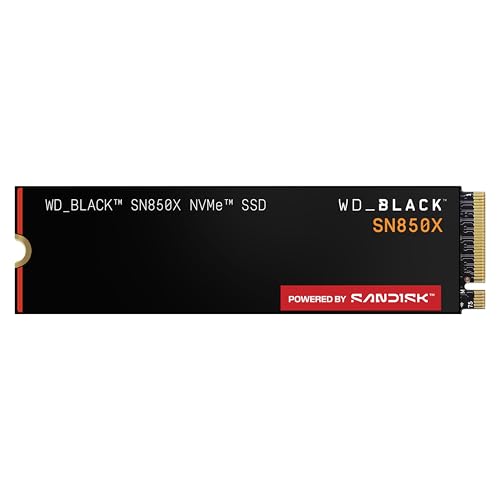
WD_BLACK SN850X 2TB NVMe SSD – M.2 2280, Up to 7,300 MB/s Read speeds, Up to 6,300 MB/s write speeds, Gaming Expansion, High Performance Internal Solid State Drive – WDS200T2X0E
- Maximum Read Speed: Up to 7,300 MB/s
- Maximum Write Speed: Up to 6,300 MB/s
- Storage Capacity: Up to 8TB options
As an affiliate, we earn on qualifying purchases.
As an affiliate, we earn on qualifying purchases.
Historical Trends and Recent Market Shifts
Over the last decade, NAND flash memory prices declined steadily, making storage a cheap, abundant resource. The advent of AI and high-performance computing has disrupted this trend. In 2024, NAND prices doubled for consumer drives, and enterprise contract prices began climbing sharply. The supply chain has been affected by the competition for wafer capacity, which is also shared with high-margin HBM and DRAM production.
Major manufacturers like Samsung, SK Hynix, and Micron have scaled back wafer targets, citing profitability and strategic prioritization. These decisions have led to a supply crunch, with some suppliers like Phison indicating their entire 2026 NAND output is sold out. The situation echoes earlier shortages in DRAM, but with the added complexity of AI’s insatiable storage appetite and the limited capacity of new fabs, which take years to build.
“We can only meet about 55-60% of our main customer demand for NAND in 2026.”
— Micron spokesperson

960GB SAS 12Gb/s 2.5" SSD for Dell PowerEdge Servers | Enterprise Solid State Drive in G14 Tray
As an affiliate, we earn on qualifying purchases.
As an affiliate, we earn on qualifying purchases.
Extent and Duration of Storage Shortage Unclear
While market trends indicate a persistent shortage into 2026, the exact duration remains uncertain, especially as new fabs are years away from operational status. It is also unclear how much of the current price hikes are due to deliberate supply discipline versus genuine scarcity driven by demand. The potential for market adjustments or new capacity additions in the coming years could alter the outlook, but no firm plans have been announced yet.
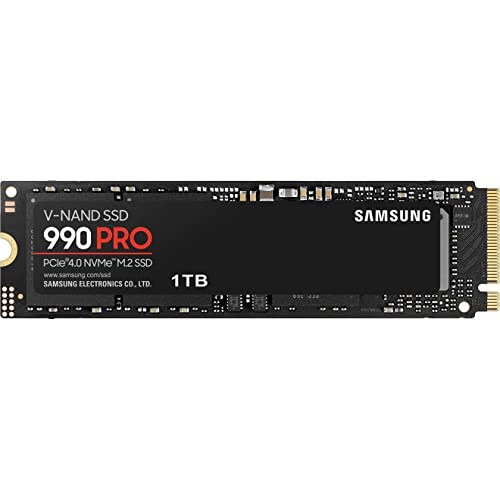
Samsung SSD 990 PRO 1TB, PCIe 4.0 M.2 2280, Up to 7,450 MB/s
- Speed Boost: Up to 7,450 MB/s read speed
- Enhanced IOPS: Up to 1550K IOPS
- Power Efficiency: 50% better performance per watt
As an affiliate, we earn on qualifying purchases.
As an affiliate, we earn on qualifying purchases.
Industry Responses and Market Outlook for 2026
Manufacturers are unlikely to significantly increase NAND capacity in the near term, given the long lead times for new fabs. Buyers should anticipate continued high prices and potential shortages through 2026. Companies and consumers are advised to purchase only the storage they genuinely need now to avoid higher costs later. Monitoring industry announcements about new capacity and supply agreements will be crucial in assessing whether shortages ease or persist.

ALYNCE JS990 1TB SSD PCIe Gen4 x4 NVMe M.2 2280, Up to 6000MB/s
- High-Speed PCIe Gen4 Interface: Up to 6000MB/s read, 4800MB/s write
- Durable NAND Flash: Extended lifespan and stability
- Wide Compatibility: Fits M.2 2280 PCIe NVMe slots
As an affiliate, we earn on qualifying purchases.
As an affiliate, we earn on qualifying purchases.
Key Questions
Why are NAND prices rising so rapidly in 2026?
Prices are increasing due to a combination of deliberate supply constraints by manufacturers, wafer competition with high-margin memory types, and soaring demand from AI applications that require massive storage capacity.
How is AI driving the NAND shortage?
AI workloads require enormous amounts of NAND for training and inference, with some systems demanding over 1,000TB of storage. This demand has made storage a critical component, increasing overall market pressure.
Will new NAND fabs be built soon to alleviate shortages?
Building new fabs takes two to three years, and current industry strategies focus on maximizing margins rather than capacity expansion, so immediate relief is unlikely.
How should buyers respond to these shortages?
Buy only the storage capacity you need now, avoid overpaying for high-end features like PCIe Gen 5, and purchase from reputable sources to avoid counterfeits. Planning for higher costs and potential delays is advisable.
Will consumer SSD prices stay high long-term?
Prices are likely to remain elevated through 2026 due to ongoing shortages, but eventual capacity expansions could stabilize prices in the longer term.
Source: ThorstenMeyerAI.com