
📊 Full opportunity report: The High-End PC And Workstation Tax on ThorstenMeyerAI.com — validation score, market gap, and execution plan.
TL;DR
In 2026, memory prices have skyrocketed, accounting for up to 35% of PC costs. This shift makes DIY high-end builds more expensive than prebuilt systems, reversing two decades of cost advantages.
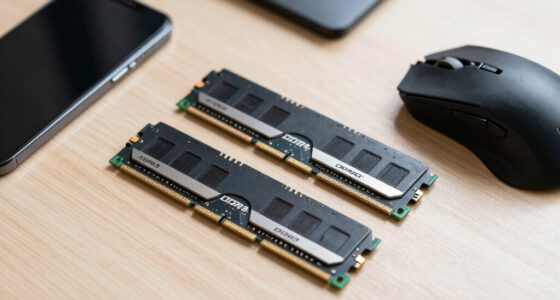
Memory prices in 2026 have surged to the point where RAM now accounts for up to 35% of a PC’s bill of materials, significantly increasing the cost of high-end builds. This development has shifted the traditional advantage of DIY PC building, making it more expensive than prebuilt systems for the first time in two decades. The change is driven by market dynamics, including supply shortages and pricing volatility, affecting both enthusiasts and professionals.
HP reported that memory’s share of a PC’s cost jumped from 15–18% to approximately 35% in a single quarter, reflecting a sharp increase in RAM and SSD prices. A typical 32GB DDR5 kit now costs around $369, comparable to high-end GPUs and exceeding CPU and SSD prices in some builds. As a result, premium builds that previously cost around $2,000 now often exceed $4,000, with memory and storage driving the escalation.
Market structure changes mean DIY builders are now exposed to spot prices, lacking the bulk discounts and hedging available to OEMs. Consequently, buying individual components retail has become riskier and more expensive, often making prebuilt systems more cost-effective despite traditional assumptions. This inversion challenges long-standing building practices and cost advantages.
The high-end PC & workstation tax
If you build your own machines or spec your team’s workstations, you’re the most exposed buyer in this market — no hedge, no bulk contract, just a parts cart and a number you used to ignore, now the biggest line on the invoice.
OEMs buy on bulk contracts and hold hedged stock; you pay the spot price on the day. The DIY builder is now the most exposed buyer in the chain — and the prebuilt is sometimes cheaper. Price it before you commit.
96GB & 128GB DDR5 RDIMMs are the scarcest, closest to the server memory makers prioritize. 64GB RDIMM could cost 2× by end-2026 vs early 2025. The parts that define a workstation are the ones squeezed hardest.
The squeeze didn’t just raise prices — it inverted the value system of high-end building. Buy big, buy early, build it yourself: each enthusiast virtue is now a way to overpay. Discipline beats ambition in 2026 — right-size hard, buy deliberately, lean on bundles, treat the prebuilt as a real price check. You can’t avoid the AI tax levied a layer up in the fabs; you can refuse to pay more of it than the job needs. Next: Cloud’s Hidden Memory Bill.
Impacts of Memory Price Volatility on High-End Builds
This shift significantly affects high-end PC and workstation users, especially those who custom-build systems. The increased cost of memory narrows or reverses the cost advantage of DIY over prebuilt systems, forcing builders to reconsider their strategies. For professionals relying on large memory modules, the steepest price hikes and supply shortages mean higher procurement costs and longer lead times, impacting project timelines and budgets.
Moreover, the market’s volatility complicates planning, as prices fluctuate weekly and even daily. This environment demands more strategic purchasing practices, such as staging upgrades and leveraging bundle deals, to mitigate costs. Overall, the ‘memory tax’ reshapes the economics of high-performance computing in 2026, emphasizing cost control and supply chain management.

Crucial 32GB DDR5 RAM Kit (2x16GB), 5600MHz (or 5200MHz or 4800MHz) Laptop Memory 262-Pin SODIMM, Compatible with Intel Core and AMD Ryzen 7000, Black – CT2K16G56C46S5
- Memory Capacity: 32GB DDR5 RAM Kit (2x16GB)
- Memory Speed: 5600MHz, 5200MHz, or 4800MHz
- Form Factor: 262-Pin SODIMM for laptops
As an affiliate, we earn on qualifying purchases.
As an affiliate, we earn on qualifying purchases.
Market Shifts and Historical Trends in Memory Pricing
Historically, memory and storage components have been the more affordable parts of a PC build, with prices declining over time. However, in 2026, supply chain disruptions, increased demand from hyperscalers, and prioritization of server-grade memory have driven prices sharply upward. HP’s recent report highlights how memory’s share of overall build costs has nearly doubled, reflecting broader market shortages and pricing volatility.
For two decades, the ethos of building your own PC to save money persisted, supported by the availability of affordable memory. That trend has now reversed, with OEMs able to leverage bulk purchasing and inventory hedging, often offering cheaper prebuilt options than individual component sourcing. This change marks a fundamental shift in PC economics, especially at the high end.
“Memory’s share of the bill of materials has nearly doubled in a single quarter, reflecting market shortages and price surges.”
— HP investor briefing

KOTIN Prebuilt Gaming PC RTX 5070 12GB, Ryzen 7 9700X, 32GB DDR5, 1TB SSD
- Powerful GPU and CPU: RTX 5070 12GB and Ryzen 7 9700X
- High-Speed Memory and Storage: 32GB DDR5 RAM and 1TB SSD
- Integrated Smart Display: 11.3-inch screen with real-time stats
As an affiliate, we earn on qualifying purchases.
As an affiliate, we earn on qualifying purchases.
Unresolved Questions About Market Stability and Long-Term Trends
It remains unclear how long the current memory price surge will last or whether supply shortages will ease in the near future. Market volatility driven by global supply chain issues, geopolitical factors, and demand from hyperscalers continues to fluctuate, making precise forecasts difficult. Additionally, the full impact on consumer and professional markets, including potential shifts in purchasing behavior, is still developing.

Deal4GO Second CPU1 Cooling Heatsink Module w/Cage Tray R5NN8 0R5NN8 WN9TY Replacement for Dell Precision 7920 Tower
- Compatibility: Dell Precision 7920 Tower only
- Note: Check existing heatsink before purchase
- Part Numbers: R5NN8, 0R5NN8, WN9TY, 0WN9TY
As an affiliate, we earn on qualifying purchases.
As an affiliate, we earn on qualifying purchases.
Next Steps for Builders and Buyers in 2026
In the coming months, procurement strategies will become increasingly important. Buyers should consider staging upgrades, leveraging bundle deals, and avoiding front-loaded capacity purchases to mitigate costs. Monitoring market trends and locking prices when favorable will be critical. Industry analysts expect continued volatility, with some relief possible if supply chain issues resolve or new memory manufacturing capacities come online.

Kingston NV3 1TB M.2 2280 NVMe SSD | PCIe 4.0 Gen 4×4 | Up to 6000 MB/s | SNV3S/1000G
- High-Speed Storage: Ideal for fast, low power storage
- PCIe 4.0 Performance: Gen 4×4 NVMe PCIe interface
- Large Capacity: Available up to 4TB
As an affiliate, we earn on qualifying purchases.
As an affiliate, we earn on qualifying purchases.
Key Questions
Why has memory become so expensive in 2026?
Memory prices have surged due to supply shortages, increased demand from hyperscalers, and prioritization of server-grade memory, leading to higher costs across the market.
Does this mean building a high-end PC is no longer cost-effective?
Building high-end PCs has become more expensive, especially for DIY builders. However, strategic purchasing, staging upgrades, and comparing prebuilt options can still offer cost-effective solutions.
Will memory prices stabilize soon?
It is uncertain. Market volatility driven by supply chain disruptions and demand fluctuations suggests prices may remain unstable in the near term, with potential stabilization depending on industry adjustments.
How should professionals plan their memory procurement?
Professionals should consider locking in prices through bundles, staging purchases, and monitoring market trends closely to avoid peak pricing periods.
Source: ThorstenMeyerAI.com