
TL;DR

Get business pricing on tech for your team
- Business-only prices and quantity discounts
- Tax-exempt purchasing
- Multiple users, one account, clear invoices
The EU e-truck industry is skeptical about a proposed battery-swapping network by CATL and Octopus. Industry resistance and technical hurdles threaten the plan’s viability.
The European e-truck sector is expressing strong skepticism toward a battery-swapping network proposed by CATL and Octopus. The plan aims to facilitate faster charging for electric trucks across Europe but faces significant resistance from industry players and technical challenges, casting doubt on its immediate feasibility.
Britain’s largest household energy provider, Octopus, announced a joint venture with Chinese battery manufacturer CATL to create a battery-swapping infrastructure for electric trucks across Europe. The initiative seeks to reduce charging times and improve logistics efficiency.
However, industry insiders and analysts have expressed doubts about the plan’s compatibility with existing truck models and the market readiness for such a system. Many European trucking companies prefer existing fast-charging solutions, citing concerns over cost, standardization, and technological complexity.
Furthermore, some industry representatives argue that the technical challenges of developing a universal swapping system are significant, given the diversity of electric truck models and battery designs in Europe. This skepticism is echoed by analysts who warn that the plan may face delays or abandonment due to these hurdles.
Implications for Electric Truck Infrastructure Development
This skepticism highlights the challenges faced by new infrastructure models like battery swapping in the European e-truck market. If the plan stalls, it could slow the adoption of alternative fast-charging solutions and impact efforts to decarbonize freight transport. The resistance also underscores the importance of standardization and industry consensus in deploying innovative EV infrastructure across diverse markets.
As an affiliate, we earn on qualifying purchases.
Background on Battery Swapping and Industry Resistance
Battery swapping technology has gained traction in China, where companies like CATL have developed dedicated stations for quick battery exchanges, reducing vehicle downtime. The concept aims to address the limitations of traditional charging by enabling rapid turnaround, especially for commercial vehicles like trucks.
In Europe, however, the market is more fragmented, with a wide variety of truck models and battery configurations. Previous attempts at implementing swapping systems have faced regulatory, technical, and market acceptance barriers, leading to skepticism among industry stakeholders.
Octopus’s partnership with CATL marks one of the most high-profile efforts to introduce swapping infrastructure outside China, but the European trucking industry remains cautious, citing concerns over costs, standardization, and market readiness.
“Most European trucking companies prefer fast chargers they already have, and the added complexity of swapping stations may not be justified.”
— an industry representative
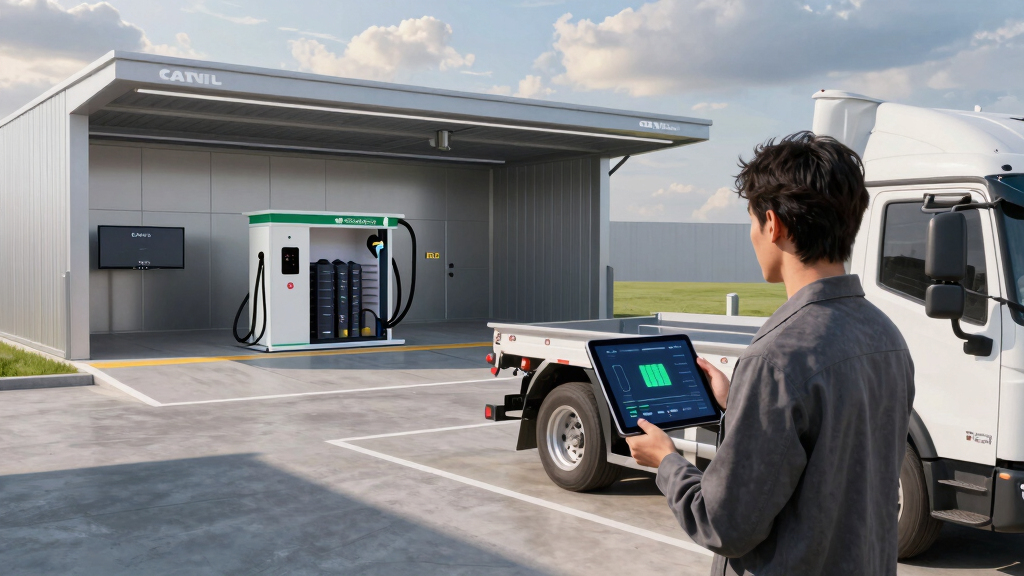
battery swapping station for trucks
As an affiliate, we earn on qualifying purchases.
As an affiliate, we earn on qualifying purchases.
Remaining Doubts About Adoption and Technical Feasibility
It is not yet clear whether the technical challenges of creating a standardized, universal swapping system can be overcome in Europe. The timeline for potential deployment and acceptance remains uncertain, and regulatory or market shifts could influence the outcome.
As an affiliate, we earn on qualifying purchases.
Next Steps for Industry and Developers
Further technical testing, stakeholder consultations, and pilot projects are expected to determine the feasibility of the swapping network. Industry groups and regulators may also weigh in on standardization and safety standards, influencing the project’s future viability.
As an affiliate, we earn on qualifying purchases.
Key Questions
Why is battery swapping considered beneficial for electric trucks?
Battery swapping can significantly reduce downtime by allowing trucks to exchange batteries quickly instead of waiting for charging, thus improving logistics efficiency.
What are the main technical challenges facing the swapping network in Europe?
The primary challenges include the diversity of truck models and batteries, compatibility issues, and the need for standardization across manufacturers and infrastructure providers.
Why are European trucking companies skeptical of the plan?
Many prefer existing fast-charging solutions, citing concerns over costs, the complexity of implementing swapping stations, and uncertainty about market acceptance.
Could regulatory issues impact the deployment of the swapping network?
Yes, regulations related to safety, standardization, and cross-border infrastructure could influence the project’s development and acceptance in Europe.
What is the significance of this development for EV infrastructure?
This skepticism reveals the hurdles in adopting innovative infrastructure like battery swapping in fragmented markets, which could slow broader EV adoption if unresolved.
Source: Nikkei Asia
Halloween Picks
halloween
As an affiliate, we earn on qualifying purchases.