
TL;DR

Get business pricing on tech for your team
- Business-only prices and quantity discounts
- Tax-exempt purchasing
- Multiple users, one account, clear invoices
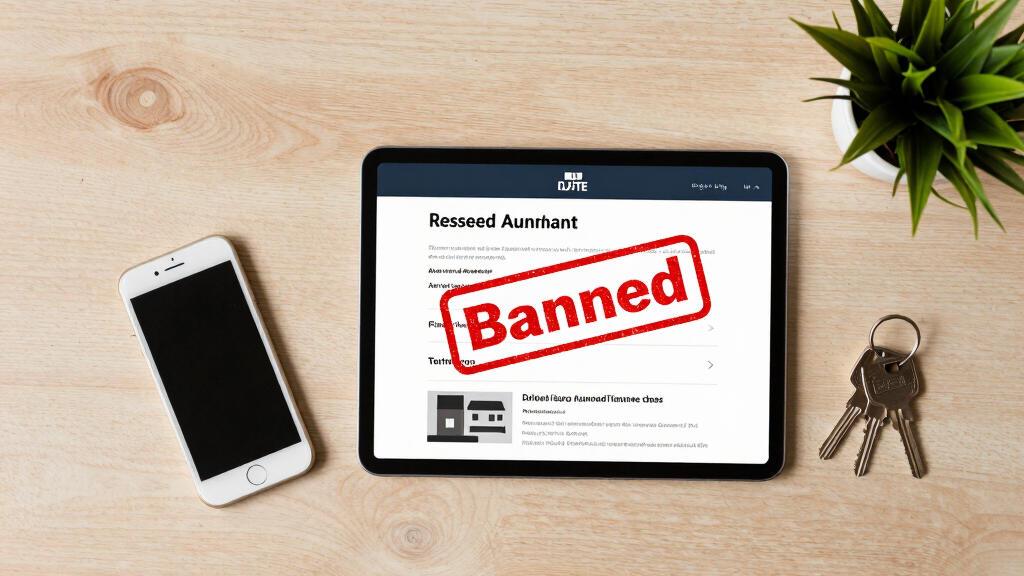
New York City Mayor Mamdani has issued a ban on landlords using AI-generated images in rental listings. The move aims to protect tenants from deceptive advertising practices and increase transparency. The policy is part of broader efforts to improve tenant rights and housing conditions.
New York City Mayor Mamdani has announced a ban on landlords using AI-generated images to advertise rental properties. The measure aims to prevent deceptive listing practices that mislead tenants, especially those signing leases remotely. This is the first city-level policy targeting AI image manipulation in real estate advertising, underscoring the growing concern over digital deception in housing markets.
The ban, officially outlined in the newly released ‘Rental Ripoff Report,’ requires landlords and real estate agents to disclose any use of artificial intelligence or digital editing tools in their property listings. Mayor Mamdani emphasized that this move is part of a broader effort to combat deceptive practices and ensure transparency in the housing market.
According to the administration, the policy responds to reports from tenants who have been misled by manipulated images, which can exaggerate a property’s condition or appearance. The city plans to enforce the ban through updated code regulations and increased oversight, with penalties for violations.
Leila Bozorg, Deputy Mayor for Housing and Planning, stated that these policies are rooted in tenants’ real experiences, and aim to empower tenants while holding landlords accountable. For more on tenant rights, see the Mayor Mamdani Says Landlords Can’t Use AI Images To Advertise article. The initiative also coincides with other reforms, such as recognizing tenant unions and expanding bargaining rights.
Implications for Tenant Protection and Housing Transparency
This policy marks a significant step in addressing digital deception in real estate advertising, which has become more prevalent with advances in AI technology. It aims to reduce tenant deception, particularly for those relying on remote viewing and online listings. The move could set a precedent for other cities and states to regulate AI use in housing advertisements, potentially reshaping industry standards and tenant rights.
By mandating disclosure of AI-generated imagery, the city hopes to increase transparency, reduce false advertising, and foster trust between tenants and landlords. The policy also signals a broader acknowledgment of the impact of digital tools on housing fairness and consumer protection.
real estate listing photo verification tools
As an affiliate, we earn on qualifying purchases.
As an affiliate, we earn on qualifying purchases.
Rise of AI-Generated Housing Images and Regulatory Responses
Over the past year, the use of AI to create or alter images in real estate listings has surged, leading to concerns over misrepresentation. While some images are used to enhance property appeal, many instances involve deceptive modifications that mislead prospective tenants about a property’s condition or appearance.
New York City has been at the forefront of addressing housing issues, with Mayor Mamdani establishing the ‘Rental Ripoff Hearings’ during his first week in office, where thousands of tenants shared stories of unsafe or deceptive housing practices. The new ban on AI-generated images is part of these ongoing efforts to strengthen tenant protections and modernize enforcement mechanisms.
Similar concerns have prompted discussions nationwide and internationally, but specific regulations on AI use in real estate advertising remain rare. This move by NYC could influence broader policy developments in the housing sector.
“This move is about transparency and protecting tenants from deceptive practices that are increasingly facilitated by digital tools.”
— Mayor Mamdani
property listing transparency software
As an affiliate, we earn on qualifying purchases.
As an affiliate, we earn on qualifying purchases.
Unclear Enforcement and Scope of the Ban
Details are still emerging regarding how strictly the city will enforce the ban, what penalties will be applied for violations, and whether the policy will extend to other forms of digital manipulation beyond AI-generated images. It is also unclear how landlords and agencies will verify disclosures or if there will be oversight mechanisms in place.
Additionally, the long-term impact on real estate advertising practices and potential legal challenges remain to be seen, as industry stakeholders may contest the regulation.
AI image detection for real estate
As an affiliate, we earn on qualifying purchases.
As an affiliate, we earn on qualifying purchases.
Next Steps in Policy Implementation and Industry Response
The city is expected to publish detailed enforcement guidelines and begin inspections shortly after the announcement. Landlords and real estate agencies will need to comply with the disclosure requirements or face penalties. There may also be public hearings or industry consultations to refine the policy.
Monitoring of the policy’s effectiveness and potential legal challenges will likely follow. Other cities and states may observe NYC’s approach as a model for regulating AI use in housing advertising.
As an affiliate, we earn on qualifying purchases.
Key Questions
Does the ban apply to all types of digital image editing?
The policy specifically targets AI-generated images and digital alterations that are used to mislead tenants. Details on whether it covers all editing tools are still being clarified.
What penalties could landlords face for non-compliance?
Enforcement mechanisms and penalties are still under development, but could include fines or other sanctions for failure to disclose AI use in listings.
Will this policy affect how landlords market properties?
Yes, landlords will need to disclose any AI or digital editing used in their listings, potentially leading to more transparent and honest advertising practices.
Is this the first regulation of its kind in the US?
While some local regulations address deceptive advertising, this is among the first city-level policies specifically targeting AI-generated images in real estate listings.
When will the policy take effect?
The announcement was made today, with enforcement guidelines expected to be released shortly. Implementation timelines are still being finalized.
Source: Hacker News
Fall Picks
fall essentials
As an affiliate, we earn on qualifying purchases.