
Smart data quietly fuels the AI commerce revolution by enabling you to deliver highly personalized experiences, automate operations, and gain predictive insights that improve decision-making. It helps you understand customer behavior, optimize inventory, and streamline processes, making your business more responsive and efficient. As AI evolves, smart data becomes even more essential in creating tailored journeys that boost loyalty and sales. Stay with us to uncover how this quiet power shapes the future of eCommerce.
Key Takeaways
- Smart data enables precise customer segmentation, fueling personalized marketing and product recommendations that enhance engagement and sales.
- Advanced data analytics predict demand trends, optimizing inventory and supply chain efficiency with minimal manual intervention.
- AI-powered automation leverages smart data to streamline operations, reducing costs and increasing responsiveness.
- Natural language processing and contextual data improve customer interactions through intelligent chatbots and virtual assistants.
- Deep insights from smart data drive strategic decision-making, fostering agility and competitive advantage in AI-driven commerce.

Have you noticed how AI is transforming eCommerce at lightning speed? It’s no longer a distant future; it’s happening now. Nearly 84% of e-commerce businesses are integrating or planning to embed AI as a core driver of growth and efficiency by 2025. You’ll find that 77% of industry professionals use AI daily, a jump from 69% last year, showing how quickly AI is becoming part of everyday operations. Retail leaders are eyeing full AI-powered automation by the end of 2025, with over 70% aiming to accelerate decision-making to stay agile in a competitive market. The global AI market is projected to surpass $8.6 billion by 2025, reflecting rapid growth. Smart data plays a *vital* role in this revolution. It fuels personalized recommendations, allowing businesses to curate tailored product suggestions and style boards based on consumer data. This not only deepens engagement but also boosts conversions. Returning customers who experience AI-driven personalization tend to spend 25% more, highlighting how loyalty and upselling improve when data is used effectively. When shoppers receive relevant, targeted marketing, the effectiveness of outreach skyrockets, leading to higher sales. AI-powered chatbots and virtual assistants further transform customer support. They handle queries at scale, reducing response times by up to 99%. This instant support increases customer satisfaction and boosts conversion rates—shoppers interacting with AI chat are four times more likely to make a purchase. Advanced language models also enable nuanced, context-aware conversations, making interactions feel natural and personalized. The result? Reduced bounce rates and a smoother purchase journey. Data analytics and predictive insights drive smarter decision-making. About 29% of companies leverage AI for forecasting, inventory management, and strategic planning. Nearly half of finance teams use AI predictive models to process large datasets rapidly, helping anticipate customer demand and optimize stock levels. Retailers now analyze massive amounts of product and customer data, which improves supply chain efficiency and reduces stockouts. Platforms like Shopify have overhauled data infrastructure to enable deeper business insights tailored for merchants. Additionally, the integration of advanced data processing techniques allows for even more precise targeting and personalization. Automation, powered by smart data, reduces manual tasks and operational costs. Marketing automation tools cut down campaign work, freeing up teams for strategic initiatives. AI-driven operations, such as predictive maintenance, save money and minimize downtime. Overall, AI and smart data are quietly revolutionizing eCommerce, making it more efficient, personalized, and capable of responding swiftly to market changes.

AI in E-Commerce and Conversion Optimization: Boost sales with smart, personalized shopping experiences powered by AI.
As an affiliate, we earn on qualifying purchases.
As an affiliate, we earn on qualifying purchases.
Frequently Asked Questions
How Does Smart Data Differ From Traditional Data Sources?
Smart data differs from traditional data sources by focusing on relevant, high-quality information extracted from vast, diverse datasets. You get real-time, actionable insights tailored to specific needs, reducing noise and inaccuracies. Unlike traditional data, which is often static and broad, smart data emphasizes relevance, accuracy, and timeliness, helping you make faster, more precise decisions. It’s a smarter, more efficient way to harness data for business success.
What Industries Benefit Most From Smart Data in AI Commerce?
Industries like retail, healthcare, logistics, and technology benefit most from smart data in AI commerce, transforming their operations like a well-oiled machine. You’ll see retail giants optimize inventory and personalize shopping experiences, while healthcare providers deliver tailored treatments and early diagnoses. Logistics companies enhance delivery routes, and tech firms create smarter devices. This data acts as a secret engine, powering smarter decisions and boosting efficiency across these fields.
How Is Data Privacy Maintained With Smart Data Collection?
You maintain data privacy with smart data collection by using AI-driven tools that identify and handle PII carefully. Automated policies ensure data is retained only as long as necessary, and encryption secures it during transmission and storage. You also implement anonymization techniques, like differential privacy, to analyze data without exposing individual identities. Clear consent management and user controls, along with regular audits, give you confidence that privacy remains safeguarded throughout the data lifecycle.
What Are the Main Challenges in Implementing Smart Data Solutions?
You face challenges like poor data quality, system incompatibility, and security concerns. Fragmented or outdated data hampers AI accuracy, while multiple systems create silos that complicate integration. Privacy and cybersecurity risks limit data sharing, and compliance adds extra hurdles. Additionally, high costs, skills shortages, and organizational resistance slow down implementation. Addressing these issues requires centralizing data, investing in security, and fostering a culture open to digital transformation.
Can Small Businesses Leverage Smart Data for Ai-Driven Commerce?
Yes, you can leverage smart data for AI-driven commerce. By analyzing customer behaviors, preferences, and purchase patterns, you gain valuable insights that help personalize marketing and improve customer experiences. Using AI tools, you can automate routine tasks, forecast trends, and optimize inventory management. Although integrating these solutions may seem challenging, the benefits—like increased conversions and operational efficiency—make smart data an essential asset for growing your small business.
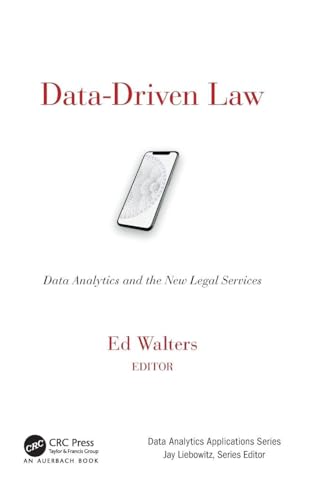
Data-Driven Law: Data Analytics and the New Legal Services (Data Analytics Applications)
As an affiliate, we earn on qualifying purchases.
As an affiliate, we earn on qualifying purchases.
Conclusion
As you watch this AI commerce revolution unfold, smart data quietly fuels every breakthrough, shaping a future you can’t yet fully see. Imagine a marketplace where every decision feels instinctive, every product perfectly tailored — all powered behind the scenes by unseen insights. The real question is, how much further will this intelligence take you? Stay tuned, because what’s coming next could redefine everything you thought you knew about commerce — and you’re right at the edge of it.

Ai For Customer Experience And Support: A Practical Guide To Automating Service, Personalizing Interactions, And Driving Customer Loyalty With Artificial Intelligence
As an affiliate, we earn on qualifying purchases.
As an affiliate, we earn on qualifying purchases.

Certified in Production Inventory Management CPIM Exam Study Guide Flashcards
- Exam Preparation: Includes 300+ CPIM flashcards
- Updated Content: Aligned with latest exam blueprint
- Comprehensive Coverage: Covers all core topics
As an affiliate, we earn on qualifying purchases.
As an affiliate, we earn on qualifying purchases.