
TL;DR

Get business pricing on tech for your team
- Business-only prices and quantity discounts
- Tax-exempt purchasing
- Multiple users, one account, clear invoices
Nvidia has announced two new AI hardware products: Nemotron 3.5 Lightning and NeMo Switchyard. The announcement signals advancements in Nvidia’s AI ecosystem, but specific technical details remain limited. The developments could impact AI deployment and infrastructure strategies.
Nvidia has officially announced the Nemotron 3.5 Lightning and NeMo Switchyard, two new products designed to enhance AI processing and infrastructure. The announcement was made during a company event on March 15, 2024, and marks a significant step in Nvidia’s push to expand its AI hardware ecosystem, targeting data centers and enterprise deployment.
The Nemotron 3.5 Lightning is described as a high-performance AI accelerator aimed at reducing latency and increasing throughput for large-scale AI models. Nvidia claims it offers improved energy efficiency and scalability over previous models, though specific technical specifications have not yet been disclosed. The NeMo Switchyard is introduced as a new hardware platform designed to facilitate seamless AI model deployment and management across distributed systems, potentially simplifying infrastructure complexity.
Both products were showcased with limited demonstrations, emphasizing their roles in Nvidia’s broader AI ecosystem. Nvidia representatives highlighted that these tools are part of the company’s strategy to support enterprise AI workloads, especially in sectors like healthcare, finance, and autonomous systems. Nvidia CEO Jensen Huang emphasized the importance of hardware innovation in maintaining leadership in AI, stating, “Nemotron 3.5 Lightning and NeMo Switchyard will empower developers and enterprises to scale AI applications more efficiently.”
Impact on AI Hardware and Infrastructure Strategies
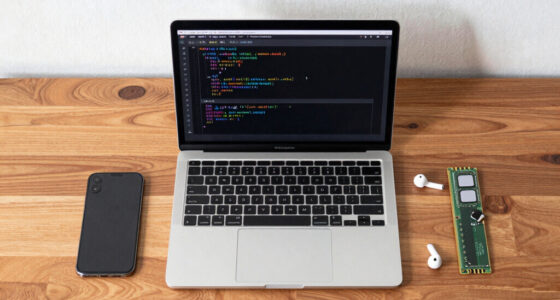
This announcement indicates Nvidia’s continued focus on advancing AI hardware capabilities and simplifying deployment processes. The Nemotron 3.5 Lightning, with its improved performance metrics, could influence the design of future AI accelerators, potentially setting new industry standards. The NeMo Switchyard aims to streamline AI model management across distributed systems, which is crucial as enterprise AI deployments grow more complex. Overall, these developments could accelerate AI adoption across multiple sectors, reinforcing Nvidia’s position as a leader in AI infrastructure. However, the lack of detailed technical specifications means the full impact remains to be seen, and industry analysts will be watching for further disclosures and real-world performance data.Nvidia Nemotron 3.5 Lightning AI accelerator
As an affiliate, we earn on qualifying purchases.
As an affiliate, we earn on qualifying purchases.
Nvidia’s Recent AI Hardware Developments and Industry Position
Nvidia has been a dominant player in AI hardware, notably with its GPUs powering data centers and AI research. Prior to this announcement, Nvidia introduced the H100 GPU and the DGX systems, which have been widely adopted in enterprise AI. The company has also invested heavily in software platforms like Nvidia NeMo for AI model development. The launch of Nemotron 3.5 Lightning and NeMo Switchyard appears to be part of an ongoing effort to expand hardware options and improve AI deployment flexibility, especially as demand for large-scale AI models continues to grow. The timing suggests Nvidia aims to solidify its ecosystem ahead of increasing competition from other chipmakers and cloud providers.
“Nemotron 3.5 Lightning represents our latest leap in AI acceleration, offering unmatched performance and efficiency for enterprise applications.”
— Nvidia spokesperson
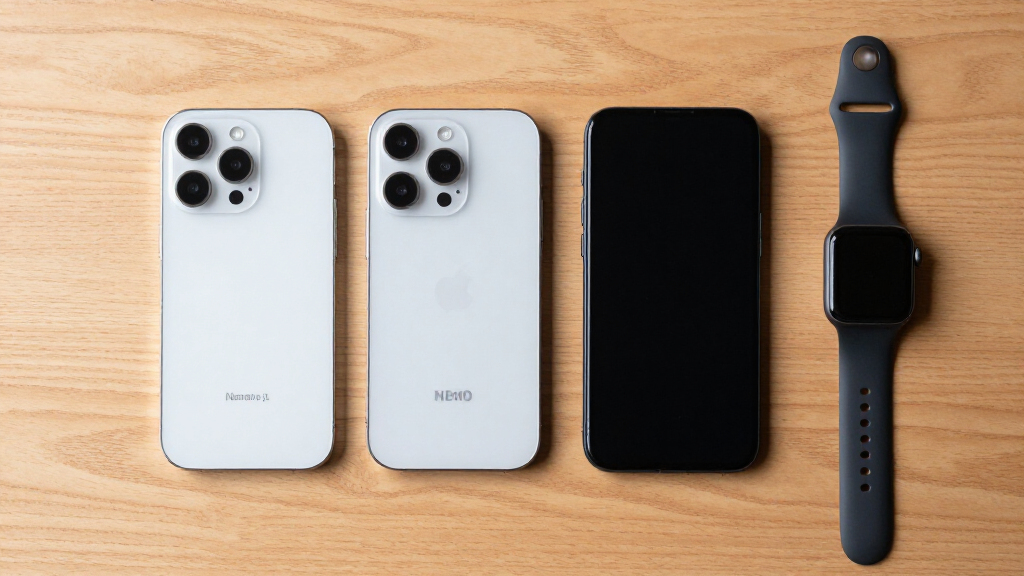
NeMo Switchyard AI deployment platform
As an affiliate, we earn on qualifying purchases.
As an affiliate, we earn on qualifying purchases.
Technical Details and Performance Benchmarks Still Unclear
Specific technical specifications, performance benchmarks, and deployment scenarios for Nemotron 3.5 Lightning and NeMo Switchyard have not yet been disclosed. Industry analysts are awaiting further details from Nvidia to assess how these products compare to existing solutions and their real-world impact. It is also unclear when these products will be available for commercial deployment and which customers or sectors will be prioritized.
As an affiliate, we earn on qualifying purchases.
Upcoming Disclosures and Industry Testing Expected Soon
Nvidia is expected to release more detailed technical documentation and performance data in the coming months. Industry partners and early adopters may begin testing these products in pilot projects, providing insights into their capabilities. Nvidia might also hold upcoming events or webinars to showcase real-world applications and gather feedback. Monitoring these developments will be key to understanding how Nemotron 3.5 Lightning and NeMo Switchyard will influence AI hardware and infrastructure strategies moving forward.
As an affiliate, we earn on qualifying purchases.
Key Questions
When will Nvidia’s Nemotron 3.5 Lightning be available?
Nvidia has not yet announced a specific release date. Further details are expected in the coming months.
What are the main features of the NeMo Switchyard?
It is designed to facilitate seamless AI model deployment and management across distributed systems, aiming to reduce complexity and improve scalability.
How does Nemotron 3.5 Lightning compare to previous Nvidia accelerators?
While Nvidia claims improved performance and energy efficiency, detailed benchmarks are not yet available for comparison.
Who are the target customers for these products?
Primarily enterprise AI developers, data centers, and organizations deploying large-scale AI workloads.
Will these products impact Nvidia’s competitive position?
Potentially, if performance and deployment advantages are confirmed, they could strengthen Nvidia’s leadership in AI hardware and infrastructure.
Source: hn
Fall Picks
fall essentials
As an affiliate, we earn on qualifying purchases.