TL;DR
United Airlines revised its contract of carriage on November 11, 2026, to prohibit unauthorized third-party AI agents from booking, changing or servicing tickets, including when a passenger supervises or approves the action. The airline cites account security, unintended purchases and regulatory concerns; its CEO also said United does not want another middleman. The contract describes possible penalties, but United has not said how it will enforce them.
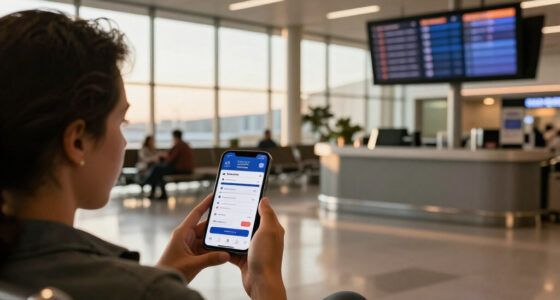
United Airlines has barred unauthorized third-party AI agents from booking, changing or managing tickets through its digital platforms and intermediaries, under a contract revision dated November 11, 2026. The prohibition applies even when a passenger supervises or approves the agent’s actions, marking a clear limit on the use of personal AI assistants to complete airline purchases.

Get business pricing on tech for your team
- Business-only prices and quantity discounts
- Tax-exempt purchasing
- Multiple users, one account, clear invoices
United said it is restricting agent access both on its website and app and indirectly through travel agencies and aggregators. Its press release said the work includes changes to booking, ticketing and distribution policies. The detailed rule appears in the airline’s contract of carriage, the terms governing passenger tickets. The wording was published by travel news outlets including View from the Wing, One Mile at a Time and PPC Land; the source material says the contract itself could not be loaded during the original reporting.
As quoted by those outlets, rule 6.J.6 prohibits using AI agents to make, modify or service a ticket, or to purchase a United product or service. The definition covers software that takes autonomous or semi-autonomous action, including AI assistants, AI-enabled browsers and agents that reach United through a travel agency or other intermediary. It includes flights, seats, upgrades, ancillary products and partner products, and applies whether or not a passenger or another person approves the action. The text does not name specific products.
The contract also says United may cancel reservations made, modified or serviced by AI agents without notice, according to the published excerpts. Other provisions cited by PPC Land describe remedies that can include invalidating tickets, charging their full value, deleting miles or ending MileagePlus membership. The source material does not establish whether United plans to apply those measures to agent bookings. It reports that tickets issued before November 11 may remain subject to the contract version in effect on their issue date.

A Human Approval Is Not Enough
The rule draws a firm line between an assistant that helps a traveler research options and software that completes a transaction. The Wall Street Journal, as cited by View from the Wing, reported that AI assistants may still search United flights and display fares; under that account, the traveler must make the purchase. That distinction matters to passengers who expect an agent to carry out a whole trip request, and to companies building tools that interact with airline booking systems.
United’s stated concerns include exposed account credentials, unintended purchases, account changes and use of MileagePlus miles. The airline also said automated actions could conflict with FAA and DOT requirements, citing check-in acknowledgments about prohibited items in baggage. Those are the airline’s reasons for the policy; the source material does not provide a regulator’s assessment of whether a particular agent workflow violates a rule.
There is also a business concern. The Wall Street Journal reported that CEO Scott Kirby addressed the issue at an event in Chicago and said he did not want to create another middleman. That comment points to a commercial dimension alongside security and compliance: third-party agents could become a new channel between travelers and airlines. United’s contract sets out the restriction, though it does not specify how the airline will identify or block every agent-mediated transaction.
Products Worth Considering

Samsung 32-Inch Odyssey G5 QHD 180Hz Gaming Monitor

Kindle Paperwhite Signature Edition 32GB E-Reader, 7-Inch Display, Seaglass Green

Apple Watch SE 3 GPS 44mm Smartwatch
As an affiliate, we earn on qualifying purchases.
Airlines Face Agent Booking Pressure
Personal AI agents are being promoted as tools that can search for travel, compare options and take actions such as booking or checking in. Meta CEO Mark Zuckerberg has described travel as a “top use case” for the company’s Muse agent, according to Skift. United’s move addresses the point at which an assistant goes beyond finding information and acts on a passenger’s account or purchase.
Skift described United as the first U.S. airline to state such a restriction explicitly. The source material also says Amazon and JPMorgan Chase have blocked outside agents, while Southwest and Expedia are working with ChatGPT. These examples show differing approaches across companies; they do not establish a common policy across airlines or travel sellers.
Use of agents for transactions appears limited so far. The source material cites Uber as counting four agent-booked rides in a week when it handled about 320 million trips and orders. That is a raw count for the stated week; no baseline comparison is supplied to establish a rate of growth or broader adoption. United’s policy is therefore a concrete response to an emerging use case, while the scale of consumer demand remains uncertain.
““Sharing account credentials with personal, third-party, AI assistants can expose sensitive information, and actions taken by these tools may result in unintended purchases, account changes, or use of MileagePlus miles.””
— United Airlines, in its November 11 press release
Enforcement Details Remain Open
United has not publicly explained in the material provided how it will detect agent use, what technical blocks it will apply or how it will distinguish an agent from a passenger using ordinary automated browser features. The contract lists possible consequences, but the airline has not said whether it will use them against bookings made by agents or how it would handle cases where a passenger did not know an agent was acting.
The exact reach of the restrictions across travel agencies and aggregators is also unclear. United’s press release refers to indirect access through those channels, and the contract definition includes agents connecting through an intermediary, but the source material does not identify affected services or describe any exceptions. Nor does it establish how regulators interpret the airline’s cited check-in example. The quoted contract provisions and the reported account of what assistants may still do should be read as the material available on November 12, 2026; implementation details may change.
Watch for Booking Guidance
Travelers using AI assistants should check United’s current booking terms and complete purchases themselves unless the airline states that a particular service is authorized. People with tickets issued before November 11 should review the applicable contract version; the source material says the issue date determines which text governs, but does not describe how United will handle every existing reservation.
The next indicators will be United’s practical instructions for passengers and travel partners, any updates to its website or booking channels, and whether the airline clarifies how the restriction is enforced. Further detail could also clarify how United treats agent-assisted searches, account access and transactions routed through agencies. No enforcement timetable or additional policy milestone is specified in the material provided.
Key Questions
Can an AI assistant still search for United flights?
According to The Wall Street Journal as cited by View from the Wing, an assistant may search for flights and show fares. The traveler must complete the purchase themselves under that account.
Does passenger approval make an AI booking allowed?
No. The contract definition quoted by travel outlets says the restriction applies whether or not a passenger or another person supervises or approves the agent’s actions.
What could United do with a reservation made by an AI agent?
The published contract excerpts say United may cancel reservations made, modified or serviced by AI agents without notice. Other cited provisions list possible remedies, but United has not said whether it intends to apply them to such bookings.
Are tickets bought before November 11 affected?
The source material reports that the contract version in effect on the ticket’s issue date governs. On that reading, tickets issued before November 11 fall under the earlier text; United’s handling of specific reservations has not been detailed.
Source: Thorsten Meyer AI