
TL;DR
Meta CTO Andrew Bosworth has publicly described the company’s recent AI reorganization as ‘atrocious,’ acknowledging significant internal issues. The admission highlights ongoing challenges within Meta’s AI efforts and leadership.
Meta CTO Andrew Bosworth has publicly admitted that the company’s recent AI reorganization was ‘atrocious,’ reflecting internal dissatisfaction and ongoing operational challenges.
In an interview with WIRED published in March 2026, Andrew Bosworth acknowledged that Meta’s recent restructuring of its AI teams was poorly handled, describing it as ‘atrocious.’ The reorganization aimed to streamline AI development but faced internal criticism for causing confusion and disrupting ongoing projects. Bosworth’s candid admission marks a rare moment of public accountability from Meta’s leadership regarding internal management issues. The company has not yet detailed specific consequences or corrective measures following this acknowledgment, but the statement signals a recognition of significant internal problems that could impact Meta’s AI ambitions moving forward.
Implications for Meta’s AI Strategy and Leadership Accountability
Bosworth’s frank admission underscores internal struggles within Meta as it attempts to compete in AI development. This acknowledgment may influence investor confidence, affect employee morale, and shape future organizational reforms. It also signals a shift toward greater transparency about internal challenges, which could impact Meta’s reputation and strategic planning in AI. For users and industry observers, it raises questions about Meta’s ability to execute large-scale technological initiatives amid leadership upheaval.

Lead for Growth: Inspiring Stories and Practical Tools for Leaders Coaching Their Teams to the Next Level
As an affiliate, we earn on qualifying purchases.
As an affiliate, we earn on qualifying purchases.
Meta’s Past AI Initiatives and Recent Organizational Changes
Meta has invested heavily in AI development, aiming to enhance its social platforms and develop new AI-driven products. Over the past year, the company underwent a major reorganization of its AI teams, intended to improve coordination and innovation. However, reports from internal sources indicated that the restructuring caused significant disruptions, including delays and confusion over project priorities. The public acknowledgment by Bosworth suggests that these internal issues were more severe than initially disclosed, prompting leadership to confront internal failures openly. This admission follows a period of internal unrest and strategic reevaluation at Meta, especially as competitors like OpenAI and Google accelerate their AI efforts.
“The reorganization was, frankly, atrocious. We didn’t get it right, and I take responsibility for that.”
— Andrew Bosworth

Building AI-Powered Products: The Essential Guide to AI and GenAI Product Management
As an affiliate, we earn on qualifying purchases.
As an affiliate, we earn on qualifying purchases.
Extent of Internal Impact and Future Reforms
It is not yet clear how deeply the reorganization’s failures affected specific AI projects or what concrete steps Meta will take to reform its internal processes. Details on internal assessments, personnel changes, or strategic shifts remain undisclosed.
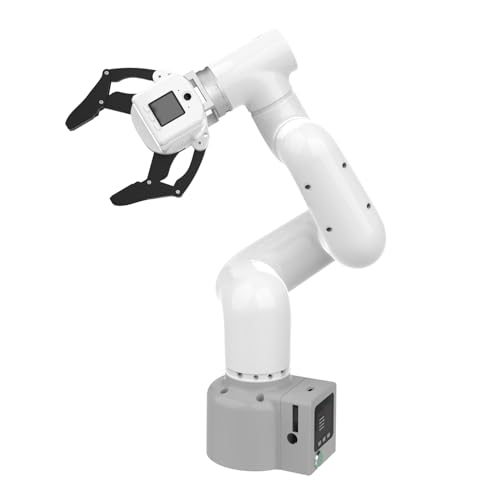
Yahboom Robotic Arm ROS Industrial Grade 1kg Payload 7 DOF AI Collaboration MyCobot 320 M5 for Education and Research
- Core Processor: Esp32-based control system with dual screens
- Robust ROS Support: Compatible with ROS for simulation and testing
- Industrial-Grade Interface: 24V electrical interface for industrial applications
As an affiliate, we earn on qualifying purchases.
As an affiliate, we earn on qualifying purchases.
Meta’s Plans to Rebuild Trust and Improve AI Development
Meta is expected to implement new organizational strategies aimed at stabilizing its AI teams, with leadership likely to communicate more about ongoing reforms. The company may also face increased scrutiny from investors and industry analysts regarding its AI roadmap and internal management. Further public statements or internal updates are anticipated in upcoming quarters as Meta works to address internal shortcomings and regain momentum in AI innovation.

The AI Side Engine: Build Side Hustles and Small Businesses with AI Marketing and Lead Systems
As an affiliate, we earn on qualifying purchases.
As an affiliate, we earn on qualifying purchases.
Key Questions
What led Andrew Bosworth to publicly admit the AI reorganization was ‘atrocious’?
According to Bosworth, the internal challenges and disruptions caused by the reorganization became too significant to ignore, prompting him to acknowledge the issues publicly during an interview with WIRED.
How might this admission affect Meta’s AI development efforts?
The acknowledgment could lead to internal reforms aimed at stabilizing AI teams, but it may also temporarily slow progress as the company addresses internal issues. External perception of Meta’s leadership and strategic direction could also be impacted.
Are there any specific reforms planned following this admission?
Meta has not disclosed detailed plans yet, but the company indicated it is actively working on improving its internal processes and organizational structure to better support AI development.
What does this mean for Meta’s competitors in AI?
This public admission may signal internal instability at Meta, potentially giving competitors an advantage in AI race dynamics. However, it also highlights the intense pressure Meta faces to deliver advanced AI solutions.
Source: google-trends