TL;DR
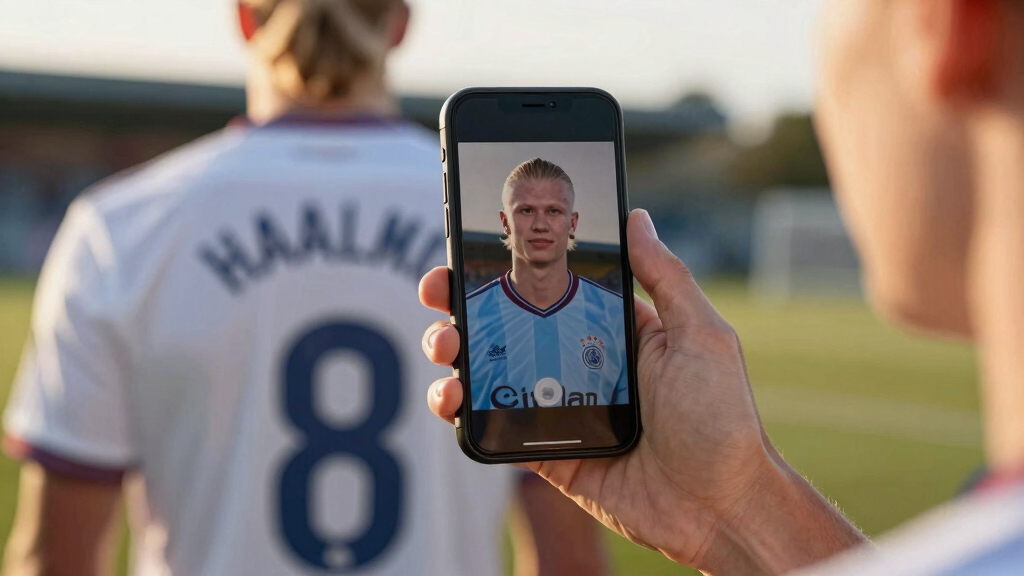
During the World Cup, a deepfake video of Erling Haaland went viral, though it was AI-generated. This highlights a shift where fans create and share AI-crafted athlete personas, blurring lines between reality and fan art.
During the 2026 World Cup, a viral AI-generated video falsely depicted Norwegian striker Erling Haaland, illustrating a broader trend where AI creates and spreads athlete personas online. This phenomenon matters because it demonstrates how modern fan culture increasingly relies on AI to craft and disseminate athlete images, blurring the line between reality and digital fan art.
Last week, a video of Haaland appearing to flinch at his reflection went viral, amassing over 31 million views on X (formerly Twitter). However, fact-checkers confirmed the clip originated from a comedic skit by Chinese comedian Jin Long posted on TikTok in June, not an actual event involving Haaland. Despite this, the clip continued to circulate, fueling the internet’s perception of Haaland as a meme icon.
This viral incident exemplifies a shift in how athletes are consumed online. Fans now treat players like evolving characters, engaging with them through memes, edits, and AI-generated content. In China, Haaland’s popularity surged with commercial appearances, fan-created songs, and social media accounts, making him a prominent digital persona. The deepfake and meme culture surrounding him reflect a new era where fan-created AI content shapes athlete narratives more than traditional media.
Experts note that this trend is part of a broader phenomenon where Gen Z fans prefer engaging with athlete personas as fictional characters, filling gaps with AI-generated lore. The content does not need to be real, only consistent with the character fans have built, which explains the widespread acceptance of the Haaland deepfake.
Implications of AI-Generated Athlete Personas in Modern Sports
This development signals a transformation in sports fandom, where fans are no longer passive consumers but active creators of athlete narratives. The use of AI to produce memes and deepfakes allows fans to craft personalized stories, blurring the boundaries between reality and fiction. This shift impacts how athletes are perceived, marketed, and engaged with, raising questions about authenticity, influence, and the future of digital fan interactions.
AI deepfake video creation software
As an affiliate, we earn on qualifying purchases.
As an affiliate, we earn on qualifying purchases.
Rise of AI and Meme Culture in Sports Fandom
Historically, athletes’ images were controlled by media and branding teams. Today, social media and AI enable fans to generate and share content that elevates athletes into meme icons and fictional characters. This trend accelerated with viral deepfakes of celebrities like Tom Cruise and AI tracks mimicking popular artists, which gained massive popularity despite being fabricated. In football, players like Haaland and Mbappé have become central figures in this digital culture, with fans creating lore, edits, and AI memes that often surpass traditional media in engagement.
The phenomenon is reinforced by reports indicating that Gen Z feels more connected to individual athletes than teams, with social media content driving this engagement. As a result, the athlete-fan relationship is evolving into a collaborative storytelling process fueled by AI and fan creativity.
“Fans are now co-authors of athlete personas, using AI to craft narratives that resonate more deeply than traditional media.”
— Cyberculture expert Dr. Lisa Chen
fan meme creation tools
As an affiliate, we earn on qualifying purchases.
As an affiliate, we earn on qualifying purchases.
Extent of AI Deepfake Impact on Athlete Perception
It is still unclear how widespread the acceptance of AI-generated athlete content will become long-term. While many fans embrace these memes and deepfakes, questions remain about their influence on public perception, athlete reputation, and the potential for misinformation. The balance between fan creativity and authenticity continues to evolve, and the long-term implications are yet to be determined.
digital athlete avatar generator
As an affiliate, we earn on qualifying purchases.
As an affiliate, we earn on qualifying purchases.
Future of AI and Fan-Generated Athlete Content
Expect further integration of AI tools in sports fandom, with more athletes engaging in digital storytelling and fans creating increasingly sophisticated content. Sports organizations may develop policies regarding AI content, and the line between genuine athlete portrayal and fan art will likely continue to blur. Monitoring how this influences athlete branding and public perception will be key in the coming months.
AI-powered video editing software
As an affiliate, we earn on qualifying purchases.
As an affiliate, we earn on qualifying purchases.
Key Questions
How accurate was the viral Haaland video?
The video was confirmed to be a comedic skit by Chinese comedian Jin Long and not an actual event involving Haaland. It was an AI-generated fake that spread widely online.
Why are fans creating AI content of athletes?
Fans are creating AI content to engage more deeply with athletes, treat them as evolving characters, and participate in digital storytelling that enhances their connection and entertainment.
Could AI deepfakes harm athlete reputations?
Yes, if misused, AI deepfakes could spread misinformation or damage reputations. However, many fans and organizations see AI content as a form of creative expression rather than malicious deception.
Will sports organizations regulate AI fan content?
It is uncertain. Some organizations may implement policies to manage AI-generated content, but the decentralized nature of social media makes regulation challenging.
Source: WIRED · Culture