
TL;DR
The US has operated only one aircraft carrier in the Pacific for the past 22 weeks, a significant reduction from the usual two. This development impacts regional naval balance and strategic stability.
The United States has maintained only one aircraft carrier in the Pacific region since January 2026, a departure from its typical deployment of two ships, according to reports from Nikkei Asia. This reduction in naval presence has raised concerns about the balance of military power in the region amid China’s expanding fleet.
Since January 2026, the US has kept a single aircraft carrier stationed at Yokosuka naval base in Japan, instead of deploying two as is customary. This shift was confirmed by defense sources and reflects ongoing strategic adjustments amid regional tensions. The deployment change coincides with China’s rapid expansion of its naval capabilities, intensifying concerns over regional security and US influence. The US military has not publicly explained the reasons for this deployment pattern, and it remains uncertain whether this is a temporary measure or part of a broader strategic realignment.
This development is significant because it signals a potential shift in US naval strategy in the Pacific, which could influence regional security dynamics. The reduction from two carriers to one may weaken US naval dominance and impact deterrence against regional adversaries, especially China. It also raises questions about the US’s ability to respond rapidly to crises or conflicts in the region, given the importance of aircraft carriers as power projection tools. The situation underscores the need for close monitoring of US military posture and regional alliances.

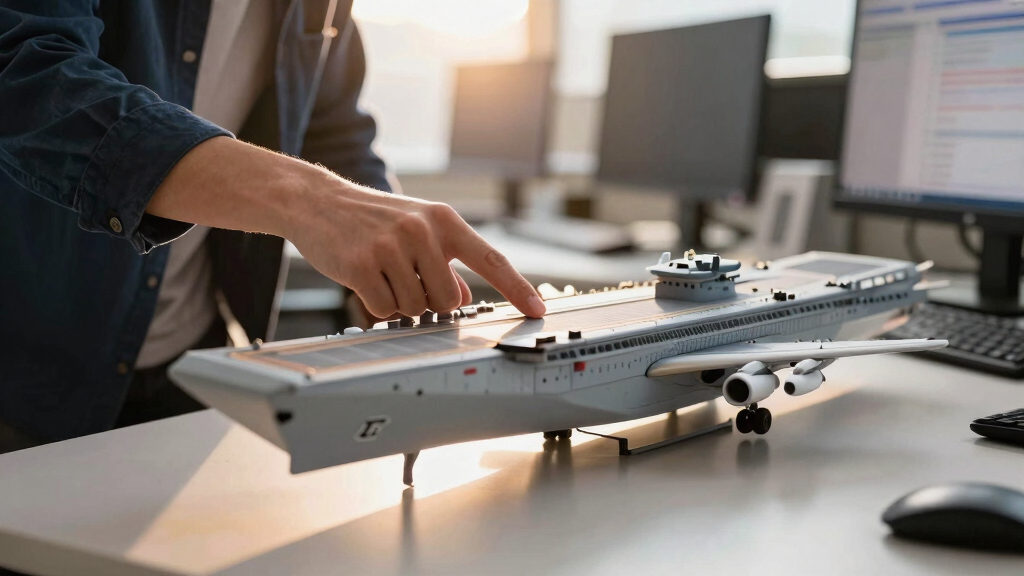
Metal Earth Premium Series USS Midway Aircraft Carrier 3D Metal Model Kit Fascinations
- Hobby Model Kit for Ages 14+: Unassembled with instructions
- No Glue or Solder Needed: Parts clipped from metal sheets
- Premium Series USS Midway Model: 2 sheets, challenging difficulty, 8.27 x 2.24 x 1.38 inches
As an affiliate, we earn on qualifying purchases.
As an affiliate, we earn on qualifying purchases.
Traditionally, the US maintains two aircraft carriers in the Pacific to ensure regional stability and rapid response capabilities. The Yokosuka naval base in Japan has been a key hub for US naval operations in the region. The current deployment pattern, with only one carrier present since January, marks a significant change, possibly reflecting broader strategic considerations or resource reallocations. China’s expanding naval fleet and increasing assertiveness in the Indo-Pacific have heightened regional security concerns, making the US’s reduced presence noteworthy.
“The US military has not publicly clarified whether this is a temporary measure or part of a long-term strategy.”
— Nikkei Asia

VUCA SIMULATIONS | Red Strike 1989, Board Game, Operational NATO vs Warsaw Pact Wargame – Land, Air & Sea Strategy
- Scenario Setting: Cold War 'What-If' Conflict in 1989
- Gameplay Type: Integrated Land, Air, Sea Operations
- Realistic Military Doctrine: Authentic Warsaw Pact and NATO Strategies
As an affiliate, we earn on qualifying purchases.
As an affiliate, we earn on qualifying purchases.
Unclear Reasons Behind the Deployment Reduction
It is not yet clear why the US has maintained only one aircraft carrier in the Pacific since January. The US Department of Defense has not issued specific explanations, and analysts suggest it could be due to strategic reallocation of resources, maintenance cycles, or broader geopolitical considerations. The duration of this deployment pattern remains uncertain, and whether additional carriers will be deployed soon is unknown.

The Dietz Foundation: Littoral Commander the Board Game (Australia)
- Gameplay Type: Hex-and-counter with card mechanics
- Military Capabilities: Real and future US, Chinese forces
- Maps Included: Luzon, Taiwan, Malacca, Okinawa
As an affiliate, we earn on qualifying purchases.
As an affiliate, we earn on qualifying purchases.
The US military is expected to provide further updates on its Pacific deployment strategy in upcoming defense briefings or regional security assessments. Analysts will closely watch for signs of returning to the traditional two-carrier presence or other strategic adjustments. Regional allies and adversaries will also interpret this change as a signal of US priorities, influencing diplomatic and military planning in the Indo-Pacific.
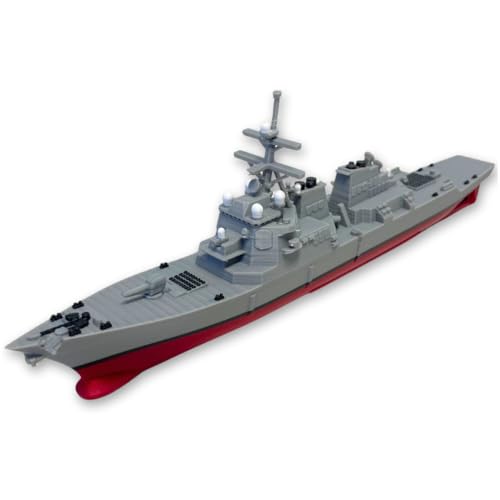
Sands Original Products 12-Inch Arleigh Burke-Class Guided Missile Destroyer Model – Replica of The Iconic Naval Warship – Nautical Enthusiasts and Military Collectors Battleship Toy, Navy Ship Model
- Detailed Replica: Accurate Arleigh Burke-Class model
- 12-Inch Scale: Ideal for display and collections
- Durable and Realistic: High-quality, long-lasting craftsmanship
As an affiliate, we earn on qualifying purchases.
As an affiliate, we earn on qualifying purchases.
Key Questions
Why has the US only deployed one aircraft carrier in the Pacific since January?
The US has not officially explained the reason for this deployment pattern. It may be due to strategic reallocation, maintenance, or other operational considerations, but details remain undisclosed.
Is this reduction temporary or permanent?
It is currently unclear whether the deployment of only one carrier is temporary or part of a longer-term strategic shift. No official timeline has been provided.
How does this affect regional security?
The reduction could impact US deterrence and response capabilities in the Indo-Pacific, especially amid China’s expanding naval power. It may also influence regional security calculations and alliances.
What has China said or done in response?
There have been no official Chinese responses specifically addressing this US deployment change. However, China’s naval expansion continues to be a concern for regional stability.
Will the US deploy more carriers soon?
There is no official information on upcoming carrier deployments. Future moves will depend on strategic assessments and operational needs.
Source: Nikkei Asia