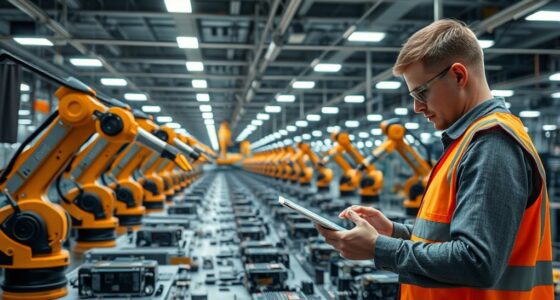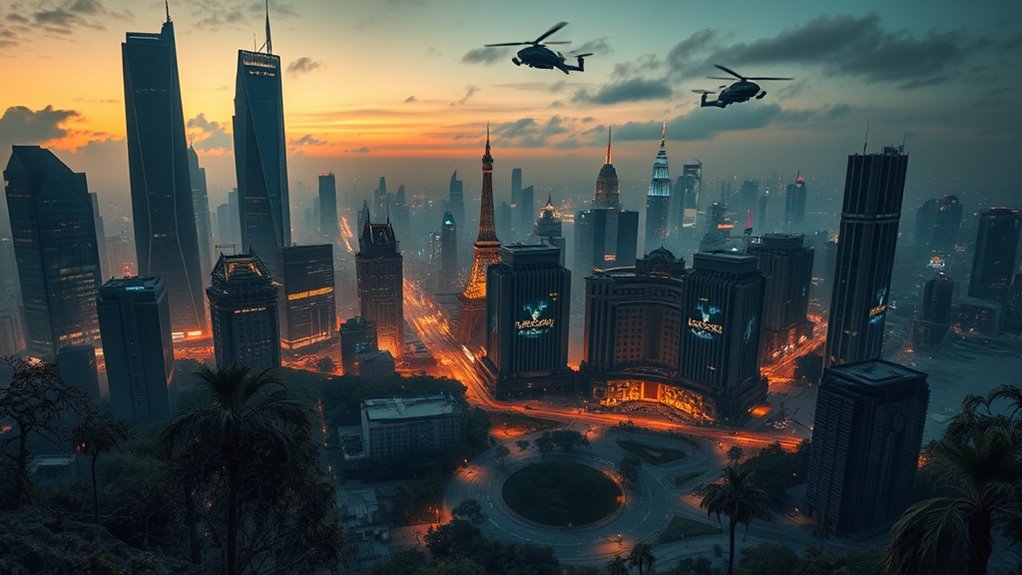

The future won’t be a perfect utopia or a complete dystopia but a mix of both, shaped by your choices and how society handles ethical challenges. If you push for responsible innovation, fairness, and inclusive policies, you increase the chances of a better future. However, ignoring these issues could deepen inequalities and risks. Keep exploring the ways technology’s impact can go either way, and you’ll discover how we can steer toward a balanced future.

Get business pricing on tech for your team
- Business-only prices and quantity discounts
- Tax-exempt purchasing
- Multiple users, one account, clear invoices
Key Takeaways
- Technological advancements can create both societal benefits and inequalities, making the future an in-between state.
- Responsible AI development and regulation are crucial to prevent dystopian outcomes and promote equitable progress.
- Ethical considerations and inclusivity influence whether technology uplifts society or deepens divides.
- Global cooperation and diverse representation can steer technological growth toward a balanced and fair future.
- The future’s nature depends on deliberate efforts to maximize benefits while minimizing risks and disparities.
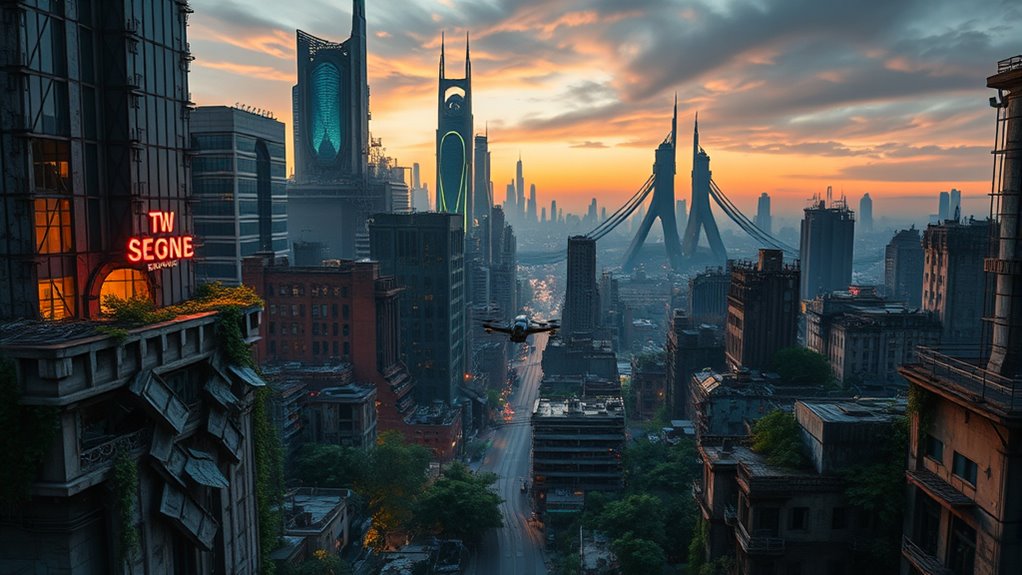
Is the future we’re heading toward a perfect society or a bleak nightmare? It’s a question that weighs heavily on your mind as technological advances accelerate. The rapid development of artificial intelligence promises incredible benefits, but it also raises serious concerns about AI ethics and the potential for deepening technological disparity. As AI becomes more integrated into daily life, you might wonder whether these tools will uplift everyone equally or create new divides. If AI systems are designed without careful attention to ethics, they could reinforce existing biases, marginalizing vulnerable populations and widening the gap between the tech haves and have-nots. This disparity isn’t just about access; it’s about influence, control, and the ability to shape the future. The risk is that the most powerful technologies might concentrate in the hands of a few, leaving others behind. You could see a world where some communities thrive thanks to AI-driven innovations, while others struggle to keep pace, deepening economic and social inequalities. This technological disparity could foster resentment and unrest, threatening the social fabric. Meanwhile, AI ethics becomes essential in guiding responsible development. It’s not enough to push for faster, smarter systems; you need frameworks that ensure these systems serve everyone fairly and transparently. That involves addressing questions about accountability—who’s responsible when AI makes mistakes?—and about privacy, as personal data becomes the currency of AI-powered services. If these ethical considerations are ignored, society risks losing trust in technology and falling into dystopian scenarios where algorithms manipulate choices or surveil citizens excessively. The integration of neural networks into AI systems is advancing the capabilities of image and speech recognition, which amplifies both the potential and the risks associated with these technologies. On the other hand, if you prioritize AI ethics and inclusivity, you could steer towards a future where technology bridges gaps rather than widens them. Thoughtful regulation, diverse representation in AI development, and global cooperation can help create a balanced approach. That way, you’re working toward a future where AI amplifies human potential without sacrificing fairness or moral integrity. The challenge lies in balancing innovation with responsibility, ensuring that technological progress benefits all, not just a select few. It’s a delicate dance—one that determines whether we build a utopia of equality and opportunity or stumble into a dystopia of division and control. Ultimately, your role is to stay informed, advocate for ethical practices, and push for policies that promote equitable access. Only then can you hope to influence the future toward a more just and inclusive society, where technology truly serves the common good rather than perpetuating disparities or moral compromises.
AI ethics and responsibility books
As an affiliate, we earn on qualifying purchases.
As an affiliate, we earn on qualifying purchases.
Frequently Asked Questions
How Do Cultural Differences Influence Perceptions of Utopia and Dystopia?
You see, cultural differences shape how you perceive utopia and dystopia through cultural optimism or pessimism. In some societies, you might view technological progress as promising, fostering hope for a better future. Others, however, may see potential risks and decline, fueling fears of dystopia. Your cultural background influences whether you focus on possibilities or pitfalls, making perceptions of the future highly subjective and varied across the world.
Can Technological Advancements Simultaneously Promote Utopian and Dystopian Outcomes?
Think of technology as a double-edged sword slicing through society’s fabric. It can weave a utopian tapestry of equality and connection, yet also create ethical dilemmas and deepen technological disparities. You might harness innovations to uplift communities, but if misused, they could foster surveillance and inequality. So, your choices determine whether technology becomes a catalyst for harmony or chaos—shaping an in-between future that’s full of promise and peril.
What Role Does Government Policy Play in Shaping Future Societies?
Government policy impacts future societies by shaping governance models that balance technological growth and social equity. Your government’s decisions influence how resources are distributed, rights are protected, and innovation is regulated. Effective policies foster cooperation, transparency, and sustainability, guiding society toward positive outcomes. Conversely, poor policy impact can lead to inequality and instability. Your role is essential in advocating for policies that promote responsible governance and a balanced future.
How Might Environmental Changes Alter Our Vision of an Ideal Future?
Imagine a future where the sky shifts from gray to a clearer blue, reflecting your efforts toward ecological sustainability. Environmental changes will redefine your vision of an ideal future, emphasizing climate resilience. You’ll see cities thriving with green spaces, clean energy powering your daily life, and communities working together to protect natural resources. This future balances progress with sustainability, where your actions shape resilient ecosystems and a healthier planet for generations to come.
Are There Historical Examples of Societies That Balanced Utopian and Dystopian Traits?
Yes, you can look at historical societies like the Renaissance or Enlightenment periods, where social harmony and technological progress coexisted. These societies achieved remarkable advances, yet faced social inequalities and conflicts. They balanced utopian ideals with dystopian realities, showing that progress often comes with challenges. You see that even in the past, societies endeavored for a mix of harmony and innovation, reminding you that the future will similarly blend both positive and negative traits.
As an affiliate, we earn on qualifying purchases.
Conclusion
So, think about it—you hold the power to shape the future. While some argue technology will lead us to utopia, others warn of dystopia. But what if the truth lies somewhere in between? Recent studies suggest that our choices and policies today will determine whether we create a better world or face unforeseen challenges. The future isn’t set in stone; it’s up to you to decide which path we take.
As an affiliate, we earn on qualifying purchases.
As an affiliate, we earn on qualifying purchases.
Halloween Picks
halloween
As an affiliate, we earn on qualifying purchases.