
Remote work is likely here to stay, with many companies adopting flexible policies to boost productivity and employee satisfaction. While the shift offers benefits like saving commute time and creating personal workspaces, it also comes with cybersecurity challenges. To thrive in this increasingly common setup, you need to establish routines, secure your digital environment, and set boundaries. Keep exploring to discover essential strategies that will help you stay productive and safe in your remote work journey.
Key Takeaways
- Remote work offers flexibility and productivity benefits but requires strong routines and dedicated workspaces for sustained success.
- Cybersecurity remains a critical concern, necessitating security best practices like VPNs, strong passwords, and regular updates.
- Many organizations are adopting hybrid models, blending remote and in-office work, rather than going fully remote forever.
- Employee well-being, team cohesion, and communication are key challenges influencing the longevity of remote work policies.
- The future of remote work depends on balancing productivity, security, and organizational culture to adapt to evolving workforce needs.

As remote work becomes the new norm, many companies and employees are realizing that working from home might be here to stay. This shift offers flexibility and saves commuting time, but it also brings new challenges that you need to address. One of the key areas affected is office productivity. While some find they can focus better at home, others struggle with distractions or feel less connected to their teams. To stay efficient, you must develop routines that foster discipline and minimize interruptions. Using digital tools to track progress and set clear goals can help you stay on top of your tasks. Regular check-ins with colleagues also boost accountability and keep everyone aligned, ensuring that productivity doesn’t slip through the cracks. Additionally, establishing a dedicated workspace at home can help minimize impact on nature and create boundaries that separate work from personal life.
At the same time, remote work increases cybersecurity challenges that you must confront. When you’re working outside the secure environment of an office network, your personal devices and home Wi-Fi become vulnerable points for cyber threats. Phishing scams, malware, and data breaches are more common in this landscape. To protect sensitive company information, you should use strong, unique passwords for all your accounts and enable multi-factor authentication whenever possible. It’s also wise to keep your software and antivirus programs up-to-date, as updates often include critical security patches. Avoid clicking on suspicious links or downloading attachments from unknown sources, and be cautious when connecting to public Wi-Fi networks, which are less secure. Using a virtual private network (VPN) adds an extra layer of protection, encrypting your internet traffic and keeping your data safe from prying eyes.
Balancing office productivity with cybersecurity measures can feel overwhelming at first, but it’s essential for maintaining your work quality and safeguarding your company’s assets. Establishing a dedicated workspace at home can help you focus and create boundaries that separate work from personal life. Educating yourself about common cyber threats and best practices ensures you don’t fall victim to scams or data leaks. Furthermore, your employer likely provides resources and training to bolster your security awareness—take advantage of these. As remote work continues, understanding and proactively managing these risks will empower you to work efficiently and securely from anywhere.
Ultimately, embracing the remote work trend means adapting your habits and environment to meet new demands. By prioritizing office productivity and staying vigilant about cybersecurity challenges, you can make working from home a sustainable, safe, and productive experience.

ErGear 48 X 24 Inch Height Adjustable Electric Standing Desk, Black
- Electric Height Adjustable Standing Desk for Comfortable Work…
- Powerful Motor with Memory Presets – Equipped with…
- Exceptional Stability Steel Frame – Built with a…
As an affiliate, we earn on qualifying purchases.
As an affiliate, we earn on qualifying purchases.
Frequently Asked Questions
How Will Remote Work Impact Company Culture Long-Term?
Remote work will reshape your company culture long-term by influencing employee engagement and team cohesion. You’ll need to actively foster communication and create opportunities for connection, even remotely. As you adapt, you’ll find that maintaining a strong culture requires intentional effort, leveraging technology and flexible policies. If you prioritize engagement and cohesion, your team can stay motivated and aligned, ensuring your company culture thrives despite the remote work shift.
What Are the Cybersecurity Risks of Permanent Remote Work?
While remote work offers flexibility, it also opens you up to subtle cyber risks. You might encounter phishing scams that trick you into revealing sensitive info, or experience data breaches due to unsecured networks. Staying vigilant by using secure connections, updating software, and being cautious with emails helps protect you. Remember, a proactive approach keeps your digital environment safe, so you can work confidently wherever you are.
How Will Remote Work Influence Urban and Suburban Real Estate?
Remote work will likely reduce urban density, leading to urban sprawl as you move farther from city centers. This shift can increase your commuting options but may also impact housing affordability, as suburban and rural properties become more desirable. You might find more space and lower prices outside urban areas, but you should consider potential longer commutes and changes in local infrastructure that come with these real estate trends.
What Legal Considerations Arise From Permanent Telecommuting?
When you switch to permanent telecommuting, you need to review your employment contracts to clarify remote work policies and expectations. You should also prioritize data privacy, ensuring secure systems and protocols to safeguard sensitive information. Legal considerations include understanding jurisdiction issues, compliance with labor laws, and maintaining confidentiality. Staying proactive about these factors helps you avoid potential disputes and ensures your remote work setup remains compliant with applicable regulations.
How Does Remote Work Affect Career Advancement Opportunities?
Sure, remote work might boost your coffee break efficiency, but it can also stall your career growth if you’re not careful. Without face-to-face interactions, you might miss out on skill development opportunities and visibility. Your chances for promotions shrink when your achievements are hidden behind a screen. So, if you want to climb that ladder, you’ll need to proactively showcase your skills and stay connected—otherwise, remote work could be your career’s kryptonite.

Wireless Headset with Mic for Work, Bluetooth Headset with Noise Cancelling
- Noise Cancelling & Mute Button: Blocks background noise, instant mute during calls
- Bluetooth 5.3 & USB Dongle: Low-latency wireless, compatible with PC and platforms
- Dual Device Pairing: Connects to laptop and smartphone simultaneously
As an affiliate, we earn on qualifying purchases.
As an affiliate, we earn on qualifying purchases.
Conclusion
Just like Icarus flew too close to the sun, chasing an ideal of endless remote work might lead to unintended setbacks. While the flexibility is tempting, remember that balance is key—blending home and office life keeps you grounded. The future isn’t set in stone, but striking that equilibrium now guarantees you soar without risking a fall. Embrace the change wisely, and you’ll find your wings aren’t just for flying but for thriving.

Cybersecurity Specialist Appreciation Gift, Office Desk Decor for IT Security Experts, Ethical Hackers, Network Administrators Career Recognition Gift, Funny Office Pencil Holder for Desk SD273
- Material: Stainless steel and wood construction
- Organizer Function: Holds office essentials
- Design: Witty cybersecurity definition
As an affiliate, we earn on qualifying purchases.
As an affiliate, we earn on qualifying purchases.
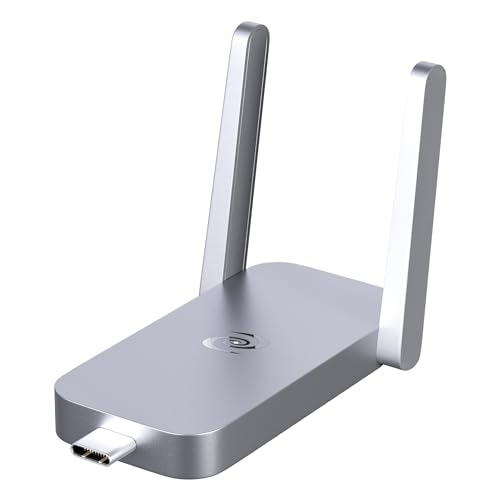
Deeper Connect Air Portable WiFi Wireless Router Hotspot Device, Lifetime Free Router VPN for Travel Privacy, Compact VPN Routers for Home and Remote Work
- Lifetime Private Browsing: Built-in decentralized VPN for privacy
- Light Daily Connectivity: Low-overhead mode for light browsing
- Optimized Pocket Router: Connects 1-3 devices reliably
As an affiliate, we earn on qualifying purchases.
As an affiliate, we earn on qualifying purchases.