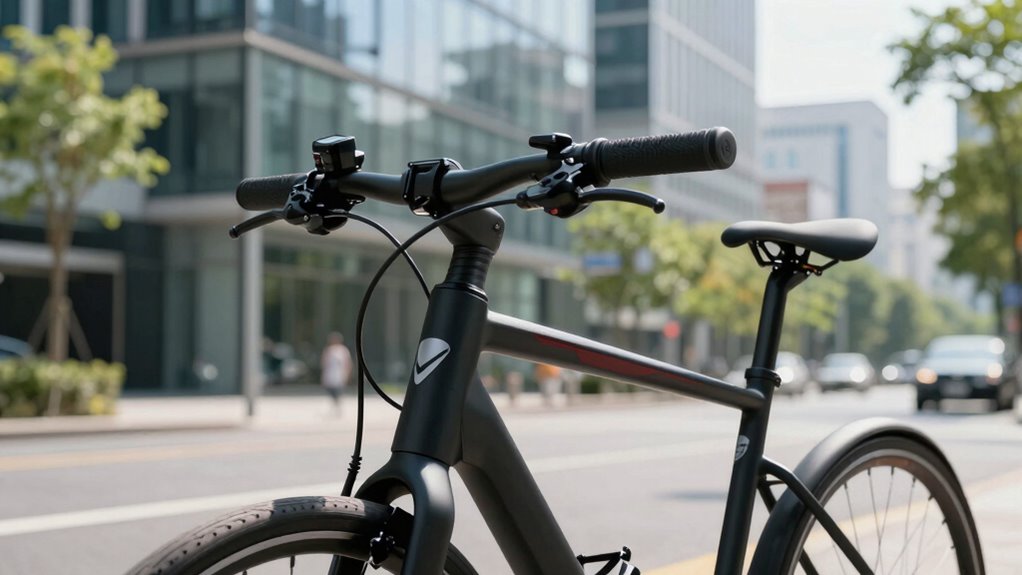

The most important e-bike spec that matters more than top speed is the battery capacity. A larger capacity means you can ride farther and more reliably without frequent recharges. It influences your range, usability, and overall riding experience far more than how fast your bike can go. Prioritizing battery quality and technology guarantees longer lifespan and better performance. Keep exploring to discover how selecting the right battery makes your ride more enjoyable and efficient.

Get business pricing on tech for your team
- Business-only prices and quantity discounts
- Tax-exempt purchasing
- Multiple users, one account, clear invoices
Key Takeaways
- Battery capacity (Wh) determines riding range more significantly than top speed.
- Longer battery life ensures consistent performance, reducing the risk of being stranded.
- Usability and practicality depend on range and battery size, not just maximum speed.
- Proper battery maintenance and quality impact overall e-bike reliability and longevity.
- Speed is less critical than battery technology and size for daily riding and practical use.
e-bike battery capacity 36V 10Ah
As an affiliate, we earn on qualifying purchases.
As an affiliate, we earn on qualifying purchases.
Why Battery Capacity Matters More Than Speed on an E-Bike
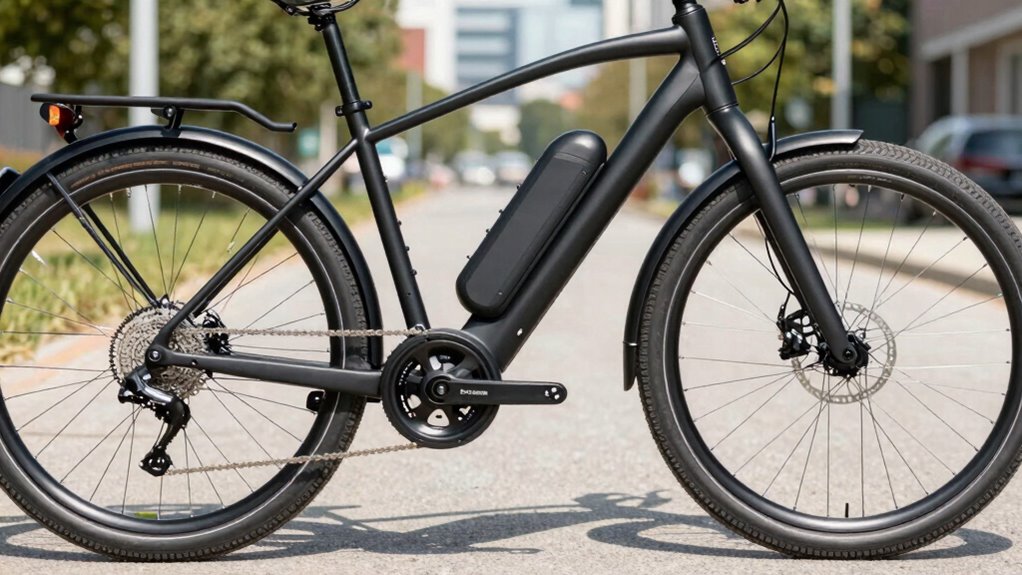
Have you ever wondered why having a larger battery on an e-bike is more important than top speed? It all comes down to battery design and how it impacts your riding experience. A bigger battery provides more capacity, meaning you can ride longer distances without recharging. Extended riding range is a crucial advantage that comes with larger batteries, especially for those who rely on their e-bike for daily commuting or outdoor adventures. Additionally, a larger battery often has a better number of charging cycles, which means it maintains its efficiency over time and lasts longer. Focusing on battery capacity guarantees you get consistent power and reliability, rather than just chasing higher speeds that may drain your battery faster. Battery longevity is another critical factor influenced by battery capacity, ensuring your e-bike remains dependable over many charging cycles. Proper battery maintenance can also extend the life of your battery and improve overall performance. Ultimately, a well-designed, high-capacity battery offers more practical benefits than simply aiming for top speed. Safety considerations are also crucial when choosing and maintaining your e-bike’s battery system.
high capacity lithium-ion e-bike battery
As an affiliate, we earn on qualifying purchases.
As an affiliate, we earn on qualifying purchases.
Understanding Key Battery Specs: Voltage, Capacity, and Chemistry

Understanding the specifics of your e-bike’s battery can make a big difference in how you choose and use it. Battery chemistry determines the type of cells inside, like lithium-ion or lithium-polymer, affecting longevity, weight, and safety. Proper charger settings and regular maintenance can help optimize performance and extend your battery’s lifespan. Additionally, being aware of battery safety measures can prevent accidents and ensure safe usage. Regularly monitoring your battery’s health through performance metrics can help identify issues early and prevent failures. Voltage, which varies across models, influences power output and how your e-bike performs, with voltage variability playing a key role in acceleration and hill-climbing ability. Capacity, measured in amp-hours (Ah), indicates how much energy the battery can store, directly impacting your riding range. Knowing these key specs helps you pick a battery suited to your riding style and terrain. Additionally, understanding Battery chemistry and proper maintenance practices can prevent hazards and extend your battery’s lifespan. By understanding battery chemistry and voltage variability, you guarantee better performance, longer lifespan, and a more satisfying e-bike experience.
e-bike battery charger compatible with lithium-polymer
As an affiliate, we earn on qualifying purchases.
As an affiliate, we earn on qualifying purchases.
How Battery Size Affects Your E-Bike’s Range and Usability
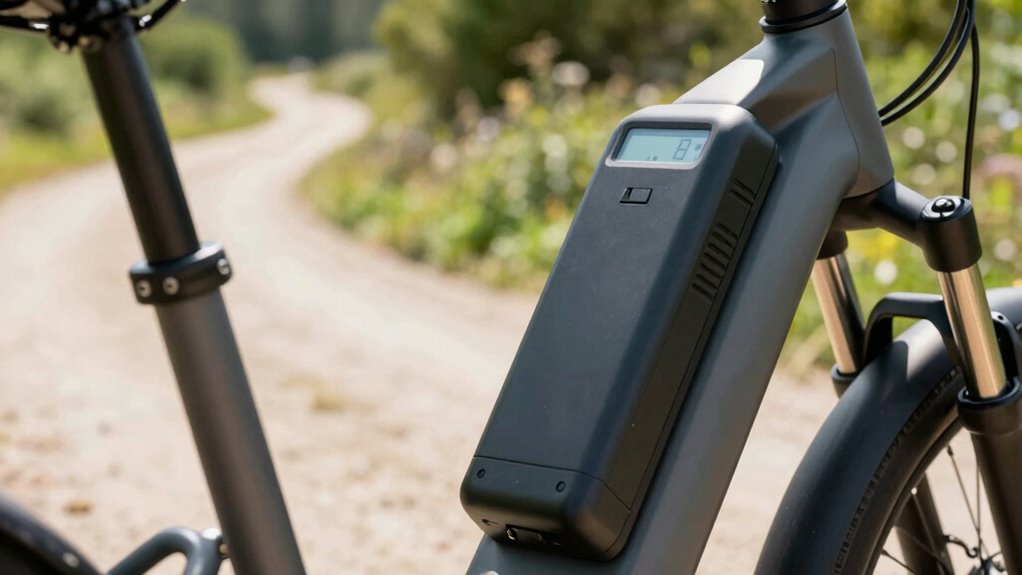
A larger battery means you can ride farther without worrying about running out of power. It also impacts how often you’ll need to charge your bike, affecting your daily usability. Understanding these factors helps you choose a battery size that matches your riding habits and needs. Additionally, considering training and behavior insights can ensure you get the most out of your e-bike experience by maintaining proper handling and safety. When selecting a battery, it’s important to compare watt-hours and capacity to find the right balance between weight, cost, and performance. Recognizing the significance of battery size can help you make more informed decisions that enhance your overall riding experience. Properly sizing your battery and understanding filter sizing/flow can also contribute to more consistent power delivery and overall efficiency. Being aware of connected technology features can further optimize your riding efficiency and safety.
Battery Capacity and Distance
The size of your e-bike’s battery directly impacts how far you can ride on a single charge. A larger capacity battery offers more range, making longer trips feasible without frequent recharging. While battery aesthetics might seem minor, a sleek, integrated design can enhance your bike’s overall look, encouraging you to ride more often. Keep in mind, your access to charging infrastructure also influences usability; if charging stations are scarce, a bigger battery becomes even more valuable. Smaller batteries may look less obtrusive, but they limit distance, especially if you rely on public charging points. Ultimately, balancing battery capacity with your riding needs guarantees you get the most out of your e-bike’s potential, whether for daily commutes or leisurely rides. Additionally, considering your local area’s urban pursuits and cultural activities can help determine the ideal battery size to suit your lifestyle. A well-chosen battery size can also contribute to sauna safety by ensuring you don’t experience unexpected power loss during long rides, as battery management systems play a crucial role in maintaining optimal performance. Being aware of your charging habits can further help you select a battery that aligns with your routine and travel distances. Moreover, understanding how power quality affects battery longevity can help you make smarter choices for your e-bike’s maintenance.
Usability and Charging Needs
Choosing the right battery size directly influences how often you’ll need to recharge and how convenient your rides will be. Larger batteries improve usability by offering longer ranges, but they can also add weight that impacts battery ergonomics, making handling more challenging. Smaller batteries are lighter and easier to manage, but may require more frequent charging, especially if your riding habits involve long distances. Your access to charging infrastructure also plays a vital role; if charging stations are scarce, a bigger battery with longer range becomes more valuable. Consider how often you’ll need to recharge and whether your riding environment supports easy access to power sources. Additionally, understanding battery ergonomics can help you choose a size that balances weight and range effectively. The availability of solar-powered charging solutions can further influence your decision, especially in remote areas. Being aware of charging station density can help you determine the most suitable battery size for your needs. Proper planning for battery maintenance can extend the lifespan of your e-bike’s power source and improve overall performance. Balancing battery size with your usability needs ensures an ideal riding experience, minimizing downtime and maximizing convenience. Optimizing battery capacity based on your typical riding conditions can significantly enhance your overall e-bike experience.
long-range e-bike with large battery
As an affiliate, we earn on qualifying purchases.
As an affiliate, we earn on qualifying purchases.
Choosing the Right Battery Capacity for Your Riding Style
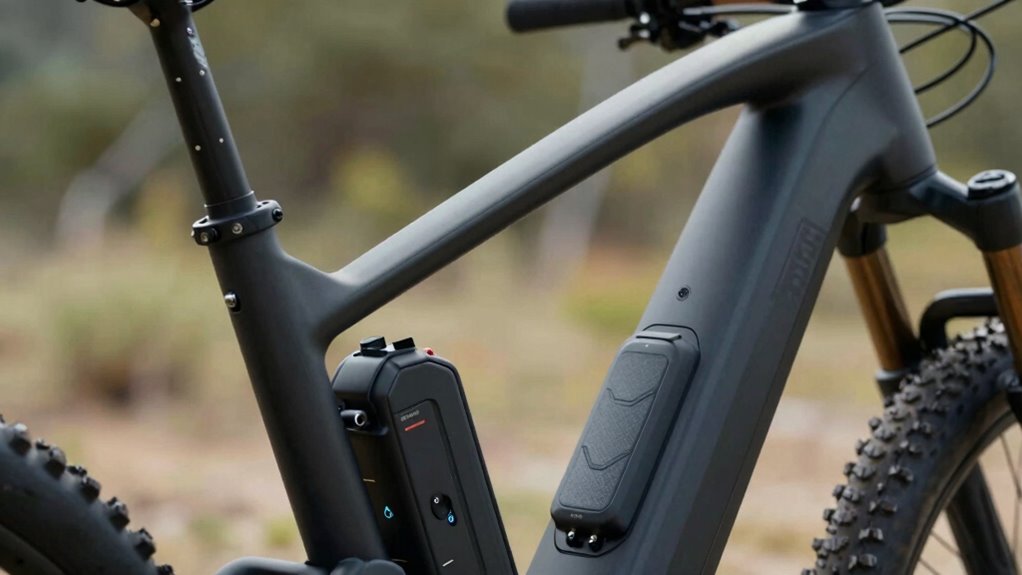
Selecting the right battery capacity is essential because it directly impacts how far you can ride on a single charge, aligning your e-bike’s performance with your daily needs. If you have a short commute or enjoy weekend rides, a smaller capacity might suffice, offering a sleeker battery aesthetic and lighter weight. Conversely, longer rides or touring demand higher capacity batteries to avoid frequent recharging. Consider your access to charging infrastructure—if charging stations are scarce, opting for a larger battery provides more independence. The battery’s look matters too; some models feature integrated designs that enhance aesthetics, while others prioritize capacity over appearance. Additionally, battery performance can vary depending on the kit, affecting your overall riding experience. Matching your riding style with the right capacity ensures convenience, efficiency, and comfort, making your e-bike truly suited to your lifestyle.
How Battery Quality and Technology Impact Longevity
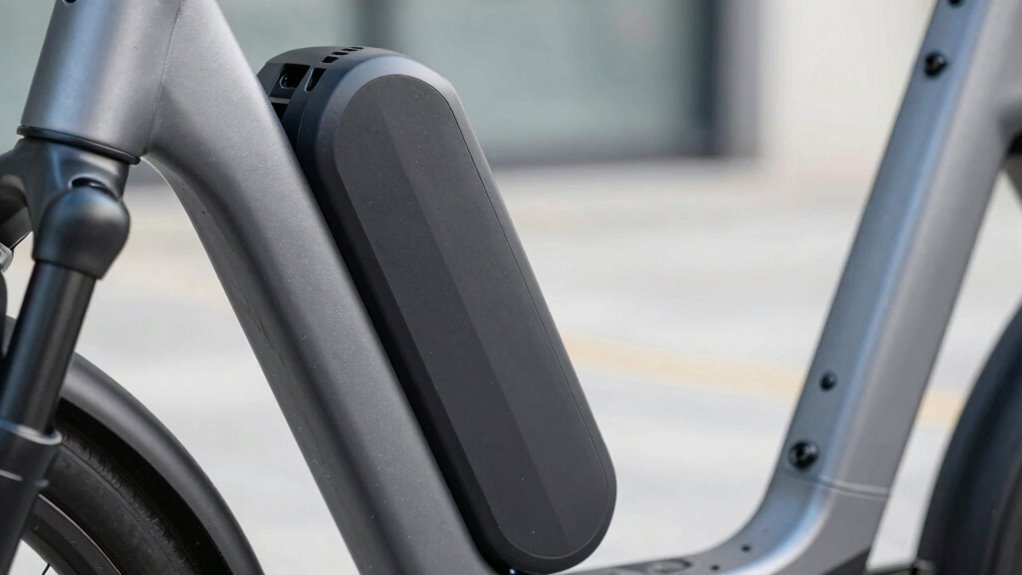
Battery quality and technological advancements play a significant role in determining how long your e-bike’s battery will last over its lifespan. Higher-quality batteries use better materials, which resist wear and degradation, extending overall longevity. Advanced battery tech also improves charging efficiency, meaning you get more charge cycles out of each use. Additionally, improved technology facilitates better battery recycling, reducing environmental impact and ensuring safer disposal at the end of its life. Cheaper batteries often degrade faster, leading to reduced range and performance over time. Investing in quality batteries with the latest tech helps you maximize lifespan and maintain peak performance longer, making your e-bike more reliable and cost-effective in the long run.
Tips to Pick the Best Battery for Your Needs
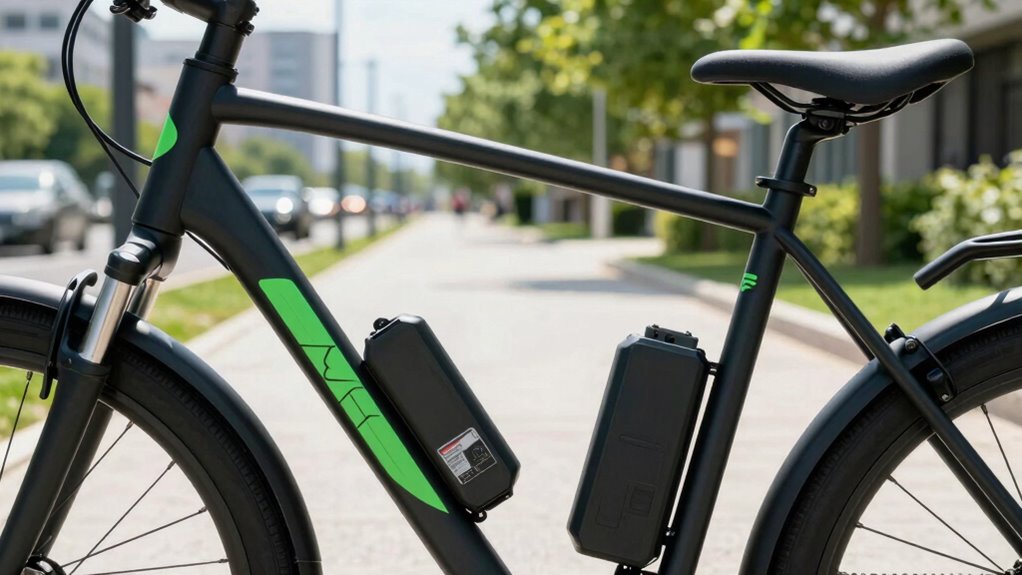
Finding the right battery for your e-bike depends on understanding your riding habits and priorities. Consider how far you typically ride, whether you need quick recharges, and your local charging infrastructure. A longer-lasting battery reduces the need for frequent charging and supports better battery recycling practices. Look for batteries with higher capacity (measured in Wh) to extend your range. Check if the battery is compatible with your bike model and if spare or replacement batteries are easily available. Also, investigate the manufacturer’s commitment to sustainable practices, like recycling programs. Good battery choices align with existing charging infrastructure, making your rides smoother and more eco-friendly. Prioritizing these factors guarantees you get a reliable, efficient power source tailored to your needs.
Debunking Myths: Is Speed More Important Than Battery Life?
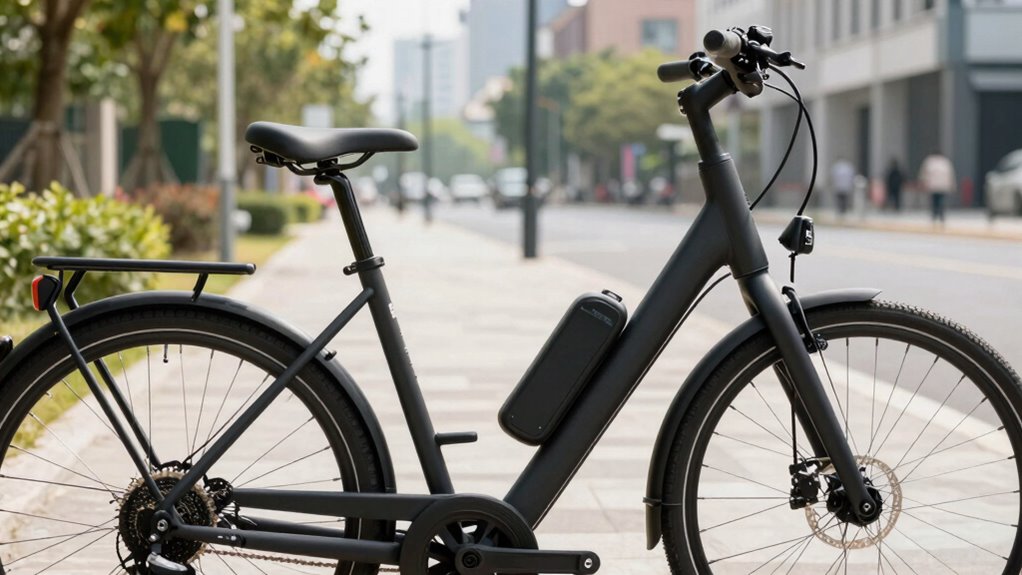
Many assume top speed is the main goal, but your riding range and battery life actually matter more for daily use. A faster e-bike might impress, but limited battery life can leave you stranded. Prioritizing range over raw speed guarantees you get the most out of every ride.
Range Over Raw Speed
While top speed often grabs attention, it’s the range that truly determines how practical and enjoyable an e-bike is for everyday use. You want to ride farther without constantly worrying about recharging. A good range means you can explore scenic routes, commute comfortably, and avoid the hassle of frequent stops. When choosing an e-bike, consider these factors:
- Battery capacity impacting distance per charge
- Aesthetic design blending style with function
- Brand reputation for reliability and support
- Weight of the bike affecting portability
- Overall comfort for long rides
Focusing on range shifts your priorities from raw speed to overall usability. It’s about enjoying your ride, not just impressing others with top speeds. A well-rounded e-bike, with a solid range, makes your daily rides smoother and more satisfying.
Battery Longevity Matters
Is speed really more important than battery life when choosing an e-bike? Not necessarily. Battery longevity impacts how often you’ll need to replace or recharge, affecting your overall experience. Proper battery maintenance ensures your battery remains efficient, extending its lifespan. Focusing on energy efficiency can save you money and reduce environmental impact.
| Aspect | Importance | Tips |
|---|---|---|
| Battery Life | Determines how long your e-bike runs before replacement | Avoid deep discharges, store properly |
| Battery Maintenance | Preserves energy efficiency and longevity | Regularly check connections, keep clean |
| Speed vs. Battery | Speed is temporary; battery health is long-term | Prioritize battery care for lasting performance |
Maintaining Your E-Bike Battery to Maximize Lifespan
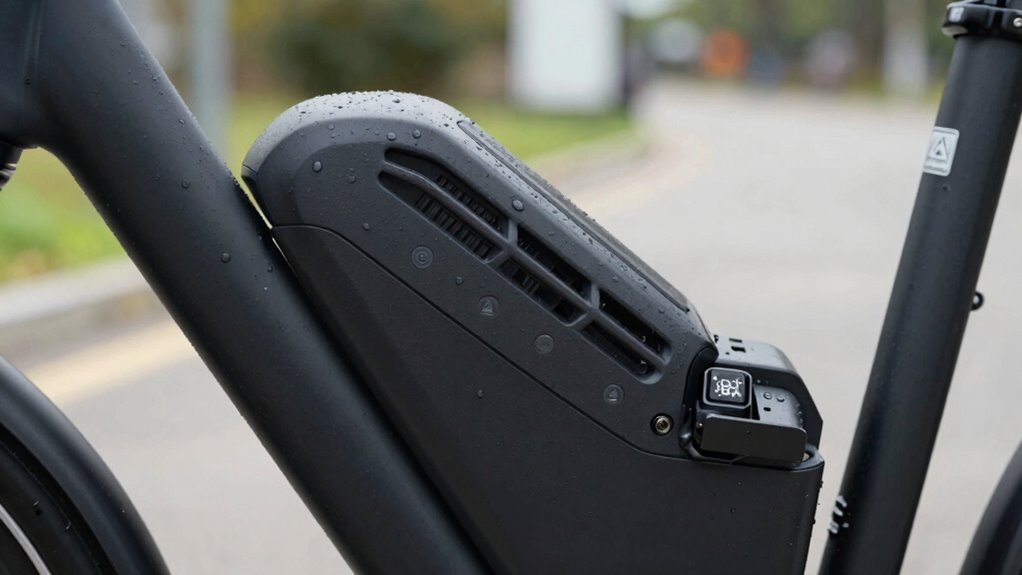
Properly maintaining your e-bike battery is essential to guarantee it lasts as long as possible. You can extend its life by following good charging etiquette—avoid overcharging or letting the battery drain completely. Always use the charger provided or recommended by the manufacturer. When it’s time to replace your battery, prioritize responsible battery recycling to protect the environment. Keep your battery in a cool, dry place to prevent capacity loss from heat. Regularly check for signs of wear or damage, and avoid exposing it to extreme temperatures or moisture. Staying mindful of these tips helps maximize lifespan, reduces the need for replacements, and keeps your e-bike running smoothly.
Frequently Asked Questions
How Does Battery Weight Affect Overall E-Bike Performance?
Battery weight directly impacts your e-bike’s performance by influencing its agility and range. A heavier battery adds extra weight, making pedaling and maneuvering more challenging, especially on hills. It can also affect charging efficiency and battery lifespan because more weight often means increased strain. Selecting a lighter battery can improve overall handling, extend the lifespan, and guarantee more efficient charging, giving you a smoother, more reliable ride.
Can I Upgrade My E-Bike Battery Later?
Yes, you can upgrade your e-bike battery later, but keep in mind that battery lifespan and charging routines matter. When upgrading, choose a battery compatible with your bike’s specifications to guarantee maximum performance. Proper charging routines can extend the new battery’s lifespan, so follow manufacturer guidelines. Upgrading can boost range and power, but always verify compatibility and consider professional installation for safety and efficiency.
What Safety Features Should I Look for in Batteries?
You should prioritize batteries with built-in safety features like thermal management and overcharge protection, ensuring safe charging and longer battery lifespan. Some batteries include sensors that prevent overheating, reducing fire risks. While it might seem unnecessary now, investing in these safety features safeguards your ride and enhances durability. Always choose batteries with reliable safety certifications, and follow proper charging practices to maximize lifespan and avoid hazards.
How Do Environmental Conditions Impact Battery Performance?
Environmental conditions directly impact your battery’s performance and longevity. Temperature effects are essential—extreme cold can reduce capacity and make charging difficult, while excessive heat accelerates battery degradation. To maximize battery longevity, avoid exposing your e-bike to harsh weather, especially extreme temperatures, and store it in a cool, dry place. Proper care helps prevent damage, ensuring your battery remains reliable and lasts longer over time.
Are There Eco-Friendly Battery Options for E-Bikes?
Think of eco-friendly e-bike batteries as green shoots sprouting amid urban concrete. You can find options through recycling programs that give old batteries new life, reducing waste. Battery innovation also drives the development of sustainable materials, making e-bikes more eco-conscious. By choosing these greener alternatives, you support a cleaner planet and promote responsible manufacturing, turning your ride into a small but impactful step toward environmental preservation.
Conclusion
Remember, your e-bike’s battery is the heart of your ride, pumping life into every mile. Focusing on capacity and quality is like choosing a sturdy, reliable engine over chasing fleeting speed dreams. Think of it as planting a seed that grows into a strong tree—your battery’s longevity and range flourish with care. Prioritize what truly powers your adventures, and your e-bike will be your loyal companion, ready to carry you farther with each pedal stroke.
Halloween Picks
halloween
As an affiliate, we earn on qualifying purchases.