
In a society where subscriptions have become your primary way to access goods and services after jobs, you rely on recurring payments for everything from entertainment to essentials like transportation and wellness. This shift offers personalized options, convenience, and continuous value, but it also demands new ways to manage your spending. If you stay engaged, you’ll discover how this subscription-driven world shapes your lifestyle and future possibilities even more.
Key Takeaways
- Subscription models are increasingly replacing traditional employment benefits, providing continuous income streams for consumers post-retirement or after jobs.
- Consumers rely on subscriptions for essential services like healthcare, wellness, entertainment, and lifestyle products, ensuring ongoing access without employment.
- The growing subscription economy offers flexible, personalized plans catering to diverse needs, supporting financial stability after traditional jobs end.
- Subscription-based platforms leverage AI and data analytics to enhance user experience, fostering loyalty and sustained engagement beyond employment.
- Sustainability and eco-friendly subscription options are becoming vital, aligning post-job life with environmentally conscious consumption.
The Rapid Growth of the Subscription Economy and Its Market Impact

The subscription economy has experienced explosive growth in recent years, fundamentally transforming how consumers access products and services. By 2025, the market is projected to hit around $232 billion, with expectations to reach nearly $634 billion by 2034. This surge is reflected in consumer habits, as over half of online shoppers subscribe to at least one service, often maintaining multiple. On average, you might spend about $133 monthly, totaling roughly $1,600 annually. Businesses benefit too, growing 3.4 times faster than S&P 500 companies over the past decade, thanks to predictable recurring revenue. North America dominates the market, holding over 45% of the revenue share. Overall, the subscription economy’s rapid expansion reshapes both consumer behavior and global market dynamics, with the market projected to reach USD 2,129.92 billion by 2034 marking its significant scale.
Key Sectors Driving Subscription Revenue and Consumer Engagement

You’re likely most familiar with how streaming services like Netflix and Spotify lead the way in digital entertainment, capturing a majority of U.S. subscriptions. E-commerce sectors, especially subscription boxes and direct-to-consumer brands, are also expanding rapidly, boosting customer loyalty and spending. Together, these sectors drive significant revenue and keep consumers engaged through convenient, personalized experiences. Recurring dreams of a partner often reflect strong emotional bonds and attachment, which can also influence consumer loyalty in subscription-based relationships. The subscription economy is projected to reach $1.5 trillion by 2025, underscoring the rapid growth and widespread adoption across various industries.
Digital Entertainment Dominance
Digital entertainment has become the dominant force in subscription revenue and consumer engagement, driven by the rapid growth of streaming services across sectors. You’re likely familiar with how platforms like Netflix, Amazon Prime Video, and Disney+ collectively boast hundreds of millions of subscribers, generating billions in revenue. Ad-supported services like Tubi and Pluto TV are also thriving, reaching nearly $43 billion in revenue in 2025. Live sports streaming alone accounts for over $28 billion globally, with a 22% increase year-over-year. Subscription models are evolving to include flexible pricing, bundles, and personalized content, appealing to diverse consumer preferences. Mobile streaming dominates, and interactive content is growing fast, enriching user experiences. Overall, digital entertainment’s dominance transforms how you access and engage with media daily. Digital media revenue surpasses $1.08 trillion, nearly 40% of total industry income, and the continued integration of interactive content is expected to further boost consumer engagement and platform loyalty.
E-commerce Growth Surge
Have you noticed how subscription e-commerce is transforming the way consumers shop and stay engaged? The market was valued at around USD 18.82 billion in 2024 and is projected to hit USD 46.05 billion by 2034, growing at about 9.36% annually. It’s set to surpass USD 450 billion by 2025, a huge leap from just USD 15 billion in 2019. In North America, the sector dominates, driven by high digital penetration. Key industries like food delivery, fitness, beauty, and personal care are thriving, offering personalized experiences and convenience. Digital services such as wellness apps and online learning are diversifying offerings. Companies leverage AI and predictive analytics to enhance personalization, prevent churn, and boost customer loyalty—all fueling this rapid growth. Online shoppers increasingly participate in subscription services, reflecting the ongoing digital shift in consumer behavior. Additionally, the integration of astrological insights into marketing strategies is beginning to influence consumer preferences within certain niches.
How Recurring Revenue Models Are Reshaping Business Strategies

Recurring revenue models give you predictable income streams, making it easier to plan and invest for growth. They also offer greater flexibility, allowing businesses to adapt quickly to market changes and customer needs. With these models, you’ll find new opportunities to expand into markets previously considered inaccessible. Revenue diversification helps ensure long-term stability and resilience in a competitive landscape. Additionally, understanding the potential pitfalls in adopting new payment technologies can help mitigate risks associated with these models.
Predictable Income Streams
As businesses increasingly adopt subscription-based models, they’re transforming traditional revenue strategies to focus on predictability and stability. This shift means steady income streams and reduced reliance on one-time sales. You’ll notice that:
- The subscription economy is projected to hit $1.5 trillion by 2025, a 435% increase over nine years.
- Over half of all digital subscriptions are in the U.S., solidifying its market dominance.
- Industries beyond tech and media, including traditional sectors, are embracing recurring revenue models.
- Adoption rates are accelerating as companies recognize the benefits of predictable cash flow and customer loyalty.
This growth encourages companies to build long-term customer relationships through consistent value. More businesses now aim for 21% or more of revenue from subscriptions by 2025, ensuring financial stability amid market fluctuations.
Enhanced Business Flexibility
The rise of subscription-based models empowers businesses to be more adaptable in their strategies, enabling them to scale quickly without substantially increasing costs. With recurring revenue, you can grow your operations efficiently, adding new customers without a proportional rise in expenses. This model improves operational efficiency by offering predictable income, allowing better budget planning and resource allocation. Financial stability becomes more attainable as steady cash flow helps you settle debts and pay vendors reliably. Customers also benefit from flexibility and affordability, encouraging loyalty and satisfaction. Furthermore, recurring revenue makes your business more attractive to investors, boosting valuation and confidence. Overall, this approach grants you the agility to respond swiftly to market changes, optimize resources, and build a resilient, scalable enterprise. Recurring revenue provides a reliable financial foundation, supporting long-term growth and stability, especially as it can facilitate business scalability through predictable income streams.
Market Expansion Opportunities
The rapid growth of subscription-based models is fundamentally transforming how businesses approach market expansion. You now have opportunities to reach new audiences, diversify offerings, and enter industries beyond traditional sectors. Here’s how:
- Expand into industries like retail and communications, where subscription adoption is rising.
- Leverage global demand, as the subscription economy is projected to grow beyond entertainment, tapping into emerging markets.
- Innovate services and personalize experiences to retain customers and stand out in competitive markets.
- Subscription revenue is forecasted to surpass $1.5 trillion by 2025, enabling businesses to build a steady revenue stream, reduce dependence on one-time sales, and adapt quickly to changing consumer preferences. With the subscription economy expected to hit $1.5 trillion by 2025, seizing these opportunities positions your business for sustained growth and resilience. Additionally, harnessing market expansion strategies can help companies tap into new demographics and geographic regions, unlocking further growth potential.
Changing Consumer Behaviors and Expectations in a Subscription World
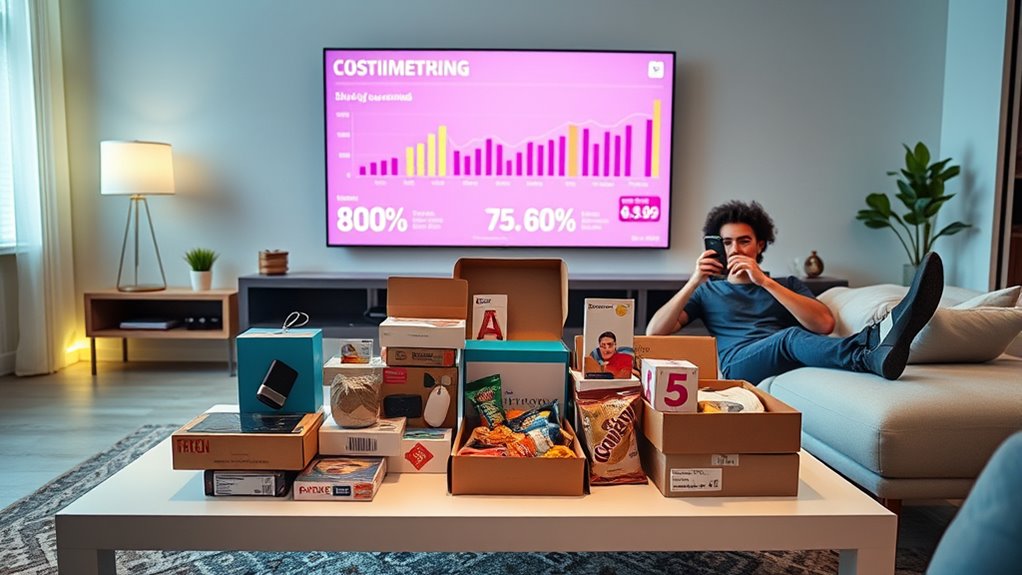
Consumers now see subscriptions as more than just product access; they’re viewed as gateways to a lifestyle. You expect personalized experiences that go beyond a single brand, with seamless omnichannel engagement. Flexibility matters, so you prefer managing subscriptions through third-party channels and having options to adjust plans easily. Monthly payments appeal more than annual fees, and usage-based pricing feels fairer, aligning costs with your actual consumption. This model boosts satisfaction and loyalty, contributing to the booming $3 trillion global subscription economy, expected to grow double-digit through 2025. Younger consumers, especially those aged 18-44, lead adoption, valuing digital self-service and flexibility. You’re more likely to subscribe for convenience, lifestyle benefits, and reasonable pricing, often exploring different services as part of your dynamic consumption habits. Additionally, the integration of personalized shopping experiences through AI enhances how consumers discover and engage with subscription services.
The Transformation of Media and Content Consumption Through Subscriptions

As subscription behaviors reshape how you access media, the landscape is evolving rapidly to meet your changing preferences. You now have more options and flexibility, transforming how content is consumed. This shift includes:
- Flexible Plans: Subscription models now emphasize personalized plans, allowing you to choose what, when, and how much to watch or listen to.
- Bundled Services: Bundles offer better value and simplicity, making it easier to access diverse media like video, music, and news in one package.
- Diverse Content: Your content preferences vary throughout the day, prompting media companies to offer niche, high-quality options that keep you engaged and satisfied. The proliferation of energy-efficient heat pumps in residential and commercial settings exemplifies how technological advancements can optimize resource use and enhance sustainability, aligning with consumers’ increasing demand for eco-friendly solutions.
The growing popularity of bundled offerings reflects the industry’s focus on creating integrated, habit-forming experiences that boost engagement.
Technological Innovations Fueling the Subscription Society

Technological innovations are driving the transformation of the subscription society by making management more efficient and personalized. AI and automation optimize payment systems with fraud detection and predictive analytics, helping you anticipate churn and retain customers. AI-driven chatbots handle queries swiftly, improving support and satisfaction, while automating billing reduces errors. Integration of AI tools boosts customer lifetime value through tailored offers and timely interventions. Payment methods have diversified: digital wallets like Apple Pay and Google Pay surged 269%, and real-time account payments are gaining ground in markets like Brazil and India. Personalization and omnichannel engagement are key, especially for Gen Z and millennials, who seek dynamic, lifestyle-integrated experiences. Emerging technologies like blockchain enhance security and transparency, supporting scalable, global growth in the subscription economy. Additionally, advancements in mental health support technology, such as mental health apps and teletherapy platforms, are becoming integral to comprehensive subscription services, addressing the growing demand for wellness resources.
The Rise of Subscription Services in Automotive and Non-Traditional Sectors

The rise of subscription services in automotive and non-traditional sectors reflects a broader shift toward flexible, access-based lifestyles. You now have options that prioritize convenience and choice. Consider these key trends:
- The automotive subscription market is booming, projected to grow from USD 5.06 billion in 2024 to USD 14.06 billion by 2033, with a focus on multi-brand flexibility and electric vehicles. The vehicle subscription service market was valued at USD 5.06 billion in 2024 and is projected to reach USD 14.06 billion by 2033. This shift empowers you to enjoy diverse options without long-term commitments, aligning with evolving lifestyles.
- Non-traditional sectors are expanding, offering customizable, all-inclusive subscriptions that appeal to consumers seeking convenience and variety. For example, some platforms now incorporate user privacy and consent features to enhance trust and transparency.
- Technological integration streamlines management, providing seamless experiences through mobile apps and contactless processes, making subscriptions easier and more accessible.
Societal Implications of a Shift Toward Access-Based Lifestyle Models

A shift toward access-based lifestyle models substantially alters social dynamics and consumer behavior. With more free time—around three extra hours weekly—you may spend it on solo activities like hobbies, social media, or fitness, while in-person interactions stay flat or decline. Digital connectivity, driven by remote work and e-commerce, makes access to services easier at home, fueling demand for subscriptions tailored to personal preferences. As a result, you might prioritize convenience, immediate gratification, and individual fulfillment over ownership. Economically, this shift encourages gig work and freelance participation, reducing reliance on traditional jobs and benefits. Environmentally, shared access can cut household waste and resource use. However, these models may create barriers for lower-income populations, challenging social equity and inclusion in this evolving access-based society.
Future Trends and Challenges in Sustaining a Subscription-Driven Society

As subscription services continue to grow rapidly, businesses face increasing pressure to retain customers amid fierce competition and evolving consumer expectations. To stay ahead, you need to focus on:
- Offering highly personalized, omnichannel experiences that meet individual preferences. Personalization driven by AI and data analytics is crucial to deliver relevant content and services that resonate with consumers.
- Developing flexible plans, like monthly payments, to cater to consumer desire for convenience and affordability.
- Innovating with new products and services, such as lifestyle-oriented physical goods and integrated platforms, to keep subscribers engaged.
You’ll also need to address sustainability concerns, incorporating eco-friendly models and circular economy principles that appeal to environmentally conscious consumers. Balancing acquisition costs with retention strategies becomes essential, as consumers become more sophisticated and discerning. Ultimately, continuous innovation and value delivery will determine your success in a subscription-driven society.
Frequently Asked Questions
How Will Subscription Fatigue Affect Long-Term Consumer Loyalty?
You might find that subscription fatigue decreases your long-term loyalty if services become overwhelming or too costly. As options multiply and costs creep up, you could grow frustrated and start canceling more often. However, if companies offer transparent pricing, flexible plans, and manage subscriptions effectively, you’ll feel valued. These strategies help you stay loyal because they make managing subscriptions easier and more worthwhile, fostering trust and satisfaction over time.
What Regulatory Challenges Might Emerge With the Growth of Subscription Services?
As subscription services grow, you’ll face regulatory challenges like ensuring clear disclosure of renewal terms, avoiding hidden fees, and making cancellation easy. You’ll need to stay compliant with laws like GDPR and CCPA, protecting consumer data. For financial subscriptions, steering federal and state regulations becomes complex, requiring precise contracts and transparency. Failing to meet these standards can lead to fines, reputational damage, and legal action, so proactive compliance is essential.
How Do Subscription Models Impact Traditional Ownership and Asset Utilization?
You might think subscription models only change how you pay, but they also reshape traditional ownership and asset use. As you shift from owning to accessing, assets are used more efficiently, reducing waste and costs. This flexible approach encourages sharing, sustainability, and innovation. Yet, it challenges industries to adapt, and if not managed carefully, could lead to concerns over quality and the long-term value of assets you rely on daily.
Will Subscription Society Widen Economic Inequality Gaps?
You might worry that a subscription society could widen economic inequality gaps. As costs for essential and luxury services rise, only wealthier individuals can afford access, leaving low-income groups behind. This can deepen disparities in healthcare, education, and tech access. If policies don’t address affordability and fairness, the divide between the rich and poor could grow, making it harder for everyone to benefit equally from modern services and opportunities.
How Can Businesses Balance Personalization With Data Privacy Concerns?
You need to find a balance between personalization and privacy by prioritizing transparency, obtaining clear consent, and using privacy-enhancing technologies. Focus on collecting first-party data responsibly and implement tools like data clean rooms and differential privacy to protect individual information. By communicating openly with your customers and investing in secure, compliant systems, you can deliver personalized experiences while respecting their privacy concerns.
Conclusion
As you embrace the subscription society, remember that over 70% of consumers now prefer subscriptions for convenience and personalization. This shift transforms how you access everything from media to transportation, making your life more flexible. While this model offers endless options, it also challenges traditional businesses and raises societal questions. Staying adaptable and informed will help you thrive in this evolving access-based world, where convenience truly becomes king.