
TL;DR
SpaceX has received FAA approval for two Starfall reentry demonstrations, marking a step toward orbital cargo delivery. The vehicle could enhance military logistics and compete with larger spacecraft like Starship.
SpaceX has received FAA approval to conduct two Starfall reentry demonstration missions, marking a significant step toward establishing orbit-based cargo delivery capabilities. The approval allows the company to test the vehicle’s reentry and recovery systems, which could enable faster, more flexible logistics for military and commercial clients.
The FAA’s environmental review approved SpaceX’s proposal for two Starfall reentry demonstrations, though it did not specify whether these will occur on a single or multiple missions. The Starfall vehicle, designed exclusively for cargo, measures approximately 10.2 feet in diameter and 2.5 feet in height, weighing around 4,600 pounds with a payload capacity of about 2,200 pounds. It is smaller than SpaceX’s Crew Dragon spacecraft and is intended for cargo rather than crewed missions.
The first demonstration will involve a few hours in low-Earth orbit, with the vehicle relying on its launch vehicle, such as Falcon 9 or Starship, to guide it back into the atmosphere. After separation, the vehicle uses compressed nitrogen gas to orient itself for reentry, with recovery efforts focused on maximizing the reuse of the heat shield and parachutes. SpaceX aims to recover the vehicle’s components to reduce costs and improve reentry technology.
Potential users include the U.S. military, which is already exploring space-based logistics through programs like Rocket Cargo and Point-to-Point Delivery. These initiatives aim to deliver supplies rapidly to remote locations, with Starfall offering a smaller, potentially more versatile alternative to the larger Starship vehicle. Other aerospace companies, such as Blue Origin and Rocket Lab, are also developing similar cargo delivery technologies, but SpaceX’s early progress with Starfall could give it an advantage in this emerging market.
Potential Impact on Military and Commercial Logistics
The development of Starfall could significantly enhance the speed and flexibility of cargo delivery from space, especially for military operations requiring rapid deployment of supplies to remote or inaccessible areas. Its smaller size and reentry capabilities make it a promising option for lighter payloads, complementing larger vehicles like Starship. If successful, Starfall could position SpaceX as a leader in orbital cargo logistics, opening new markets and reducing reliance on traditional ground-based supply chains.
Furthermore, the ability to recover and reuse reentry vehicles could lower costs and increase the frequency of space-based deliveries. The military’s interest indicates a potential strategic advantage, while commercial applications could include satellite servicing, emergency aid, and supply chain resilience in global markets. Overall, this development marks a step toward operationalizing cargo delivery from orbit, which could transform logistics in the coming years.
As an affiliate, we earn on qualifying purchases.
FAA Approval and SpaceX’s Reentry Technology Progress
SpaceX’s Starfall project gained momentum after the FAA approved its environmental review for two demonstration missions. The vehicle’s design emphasizes reentry and recovery, with a focus on maximizing reuse. While SpaceX continues testing and refining Starship for crewed missions, Starfall provides a dedicated platform for cargo reentry technology. The company’s prior experience with reentry systems and successful launches positions it well to advance this capability.
This initiative aligns with broader industry trends toward space-based logistics, with other companies and government agencies exploring similar concepts. The U.S. military’s partnerships with SpaceX and competitors reflect growing interest in space as a logistics and strategic domain. The upcoming demonstration missions will be critical in validating the technology and establishing operational protocols for orbital cargo delivery.
“The FAA’s approval marks a key milestone for SpaceX’s efforts to develop reliable, reusable cargo reentry vehicles for orbital logistics.”
— an anonymous researcher
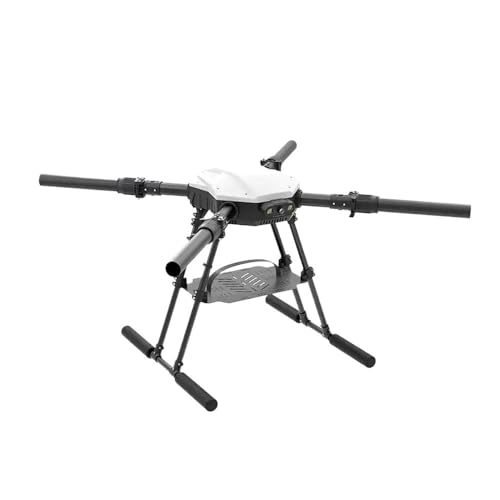
For EFT pro E416P delivery drone frame long range payload for sale 16kg heavy lift cargo for service Easy to replace(Burgundy)
- High-quality durable texture: Ensures long-lasting performance
- Practical and reliable: Designed for durability and practicality
- Compact and stylish design: Elegant and easy to replace
As an affiliate, we earn on qualifying purchases.
As an affiliate, we earn on qualifying purchases.
Unconfirmed Details About Mission Timelines and Capabilities
It is not yet clear when the first demonstration mission will occur or whether the vehicle will be used on a dedicated or secondary payload. Details about the specific launch vehicles and recovery procedures are still emerging, and the full operational capabilities of Starfall remain under development.
Additionally, the extent of the vehicle’s reentry and recovery success in real-world conditions has yet to be demonstrated, and the impact on cost and logistics efficiency is still to be validated through testing.

EAST OAK Patio Heater Reflector Shield, Outdoor Heater Reflector Shield as Patio Heater Replacement Part with Support Rod for Extra Heat Reflecting Power, Enegy Saving and Directional Heating, Silver
- Energy Saving and Adjustable Range: Expands heating area and blocks unwanted heat
- Enhanced Stability and Safety: Support rod prevents deformation and ensures safety
- Durable Thick Aluminum Material: Made of 0.7mm thick, rust-resistant aluminum
As an affiliate, we earn on qualifying purchases.
As an affiliate, we earn on qualifying purchases.
Upcoming Demonstrations and Potential Commercial Launches
SpaceX plans to conduct the first Starfall demonstration in the coming months, with subsequent tests to refine reentry and recovery systems. Success in these tests could lead to early commercial or military contracts for orbital cargo delivery services. The company may also explore integrating Starfall with existing launch vehicles or developing dedicated missions for specific clients.
Further updates are expected as SpaceX completes initial tests, with possible announcements of operational services within the next year, contingent on demonstration outcomes.

Reusable Capsules for Nespresso OriginalLine – 6pcs Refillable Coffee Pods,Stainless Steel Cups Compatible for Nespresso OriginalLine Machine (6Pods+100pcs Lids+Storage Board)
- Designed for Nespresso OriginalLine: Compatible with various Nespresso models
- Cost-effective and customizable: Save money and personalize coffee flavors
- Pre-filled and fresh storage: Includes storage board for 7-day freshness
As an affiliate, we earn on qualifying purchases.
As an affiliate, we earn on qualifying purchases.
Key Questions
What is the purpose of the Starfall vehicle?
Starfall is designed to demonstrate reusable reentry technology for cargo vehicles in low-Earth orbit, aiming to enable faster, more flexible cargo delivery from space.
How does Starfall compare to Starship?
Starfall is smaller, lighter, and dedicated to cargo reentry, whereas Starship is a large, crewed vehicle intended for heavy payloads and crew transport. Starfall could serve lighter, more frequent deliveries.
When will the first demonstration occur?
The exact date has not been announced, but initial tests are expected in the coming months, pending completion of regulatory and technical milestones.
Could Starfall be used for military logistics?
Yes, the U.S. military has shown interest in orbital cargo delivery, and Starfall’s capabilities could support rapid deployment of supplies and equipment from space.
What are the main challenges ahead?
Key challenges include validating reentry and recovery systems under real conditions, ensuring cost-effectiveness, and establishing reliable launch and mission protocols.
Source: Google Trends