TL;DR
The U.S. is pulling ocean sensors used for climate monitoring, startling Canadian researchers. This move occurs as El Niño is expected to influence global weather patterns, and the impact on climate data collection is uncertain.
The United States has begun removing a network of ocean sensors that provide critical climate data to Canada, a move that has surprised researchers and officials as the El Niño phenomenon approaches.
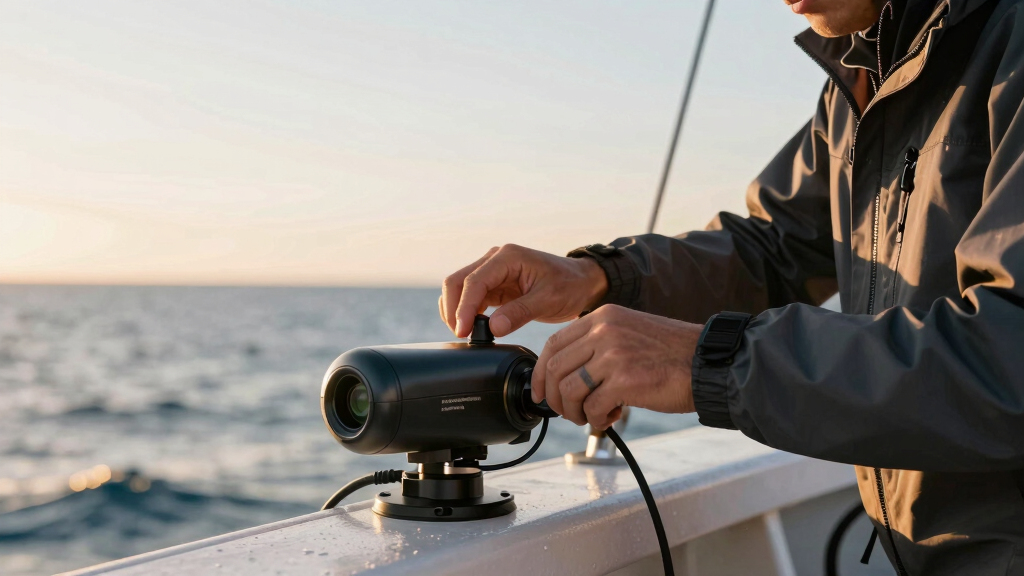
According to sources familiar with the matter, the U.S. government has started pulling ocean monitoring sensors deployed in the North Pacific and Arctic regions. These sensors are part of collaborative efforts to track ocean temperatures, currents, and other climate indicators. Canadian scientists rely heavily on this data to improve climate models and predict weather patterns, especially during El Niño events.
Officials from Canada have expressed concern over the abrupt removal, emphasizing the sensors’ importance for early warning systems and climate research. The U.S. agencies involved have not publicly explained the reasons behind the sensor withdrawal, leading to speculation about budget reallocations or shifts in research priorities.
El Niño, a climate pattern characterized by warming ocean temperatures in the Pacific, is expected to influence global weather, including increased storms and droughts. The timing of the sensor removal coincides with the anticipated onset of this event, raising questions about data continuity during a critical period.
Implications for Climate Monitoring and Prediction
This development is significant because ocean sensors are vital for understanding and predicting climate phenomena like El Niño. The loss of these sensors could hinder Canada’s ability to monitor ocean conditions accurately, potentially affecting weather forecasts, disaster preparedness, and climate research. As climate change accelerates, maintaining comprehensive data collection becomes even more crucial for informed decision-making.

Underwater Sensing Device for Ocean Floor Contact
As an affiliate, we earn on qualifying purchases.
As an affiliate, we earn on qualifying purchases.
Background on Ocean Sensor Collaboration and Recent Changes
Canada and the United States have historically collaborated on ocean monitoring projects, sharing data to improve climate models and weather predictions. These sensors are part of larger international efforts to observe oceanic conditions that influence global climate patterns. The recent withdrawal of sensors by the U.S. marks a departure from previous cooperation and has raised concerns about data gaps during a period of heightened climate variability.
El Niño events occur irregularly but can have widespread impacts, including extreme weather events worldwide. Accurate, real-time ocean data is essential for predicting these impacts and preparing affected regions. The timing of the sensor removal aligns with the approaching El Niño, intensifying worries about the potential loss of critical information.
“The sudden removal of these sensors could significantly impair our ability to monitor ocean conditions during a crucial period of climate variability.”
— an anonymous researcher

Lowrance 000-11520-001 Temperature Sensor Cable
Cable length: 18"" (45 cm) from connector to smart module. 10 ft (3 M) from module to end…
As an affiliate, we earn on qualifying purchases.
As an affiliate, we earn on qualifying purchases.
Unclear Reasons and Future Sensor Deployment Plans
It is not yet clear why the U.S. is removing these sensors or whether they will be replaced in the near future. The long-term impact on international data sharing and climate monitoring remains uncertain, and there has been no official statement explaining the decision.

NewYall Engine Coolant Cooling Temperature Temp Sensor Sender for Chevy GMC Cadillac Buick Oldsmobile Pontiac
Fits Buick Century 1985-2005, Electra 1985-1990, LaCrosse 2005-2009, LeSabre 1985-2005, Lucerne 2006-2011, Park Avenue 1991-2005, Rainier 2004-2007, Reatta…
As an affiliate, we earn on qualifying purchases.
As an affiliate, we earn on qualifying purchases.
Monitoring Developments and Potential Reinstatement of Sensors
Canadian and international agencies are expected to monitor the situation closely, seeking alternative data sources if necessary. Discussions between U.S. and Canadian officials may occur to address the gaps, and there could be efforts to deploy new sensors or enhance existing systems before the peak of El Niño activity.

Ultrasonic Distance Measuring Sensor, Obstacle Avoidance Ranging Module for Underwater Robot, 6 Meter DC 5‑24V IP68 Waterproof
: The ultrasonic underwater ranging sensor has the advantages of compact size, small blind spot (minimum 2cm), and…
As an affiliate, we earn on qualifying purchases.
As an affiliate, we earn on qualifying purchases.
Key Questions
Why are the U.S. sensors being removed?
The specific reasons have not been publicly disclosed. Speculation suggests budget reallocations or shifts in research priorities, but no official explanation has been provided.
How will this affect climate predictions for Canada?
The removal could impair real-time monitoring of ocean conditions, potentially reducing the accuracy of climate models and weather forecasts during El Niño, which could impact disaster preparedness and resource planning.
Are there plans to replace or reinstall the sensors?
There is no confirmed information about future deployment plans. Authorities are likely to assess the situation and consider alternatives to maintain data continuity.
What does this mean for international climate cooperation?
The decision may signal a shift in collaboration priorities, raising concerns about data sharing and joint efforts to monitor climate change, especially during critical periods like El Niño.
When will the impact of this removal be fully understood?
The full impact will depend on ongoing monitoring, but it may take months to evaluate the effects on climate prediction accuracy and research outcomes.
Source: Hacker News