
TL;DR
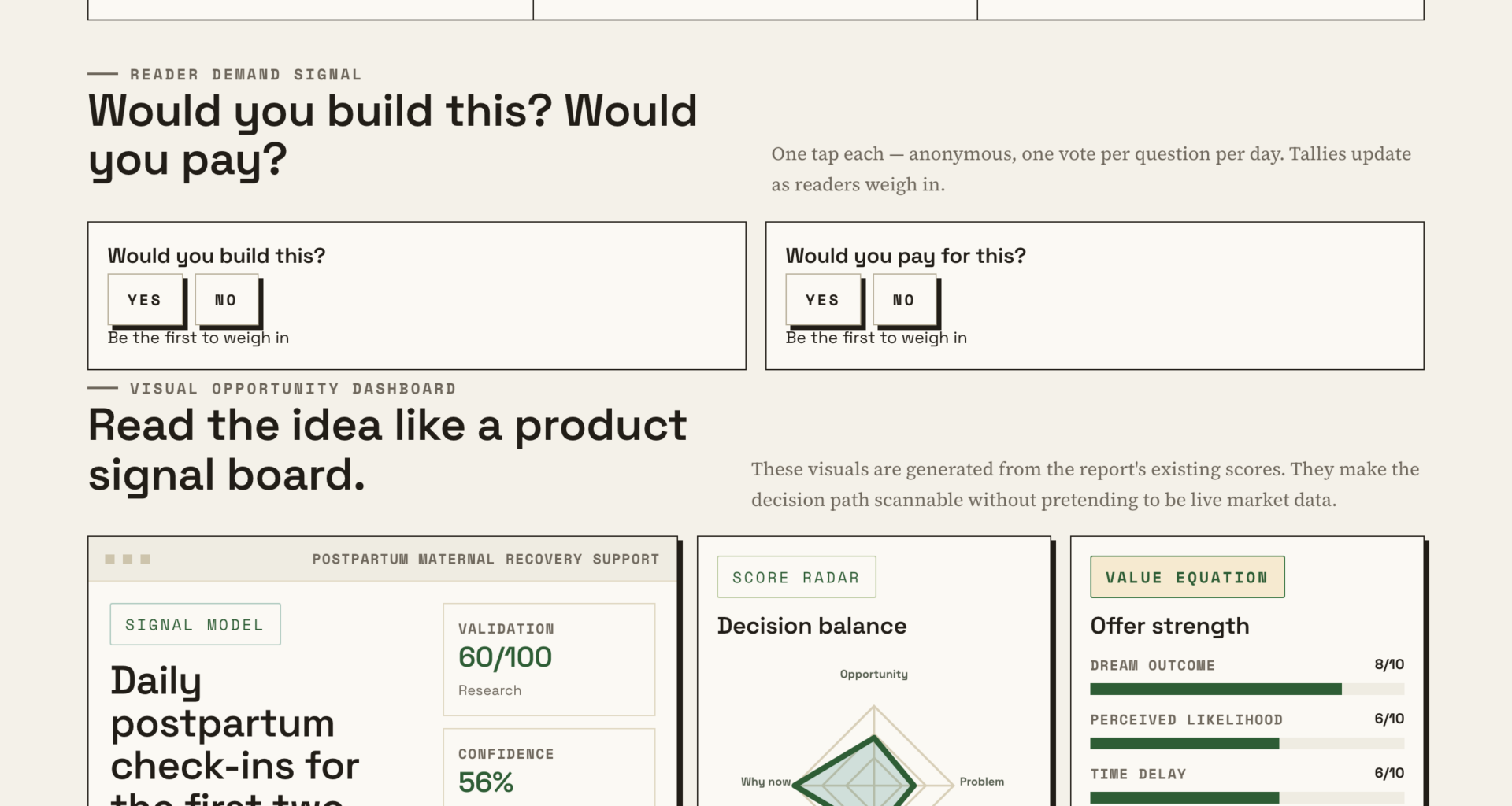
A new pilot program proposes daily postpartum check-ins for first-time mothers in the first two weeks after discharge. This aims to address gaps in current care, with early testing involving 15 mothers. The initiative could reshape postpartum support and reduce health risks.
Researchers are testing a new model of daily postpartum check-ins for first-time mothers in the first two weeks after hospital discharge. The initiative aims to improve early recovery support, address gaps in current postpartum care, and reduce health risks by providing personalized, daily guidance during a high-risk period.
The program targets first-time mothers discharged before their six-week follow-up, a period identified as high-risk due to potential complications and lack of immediate support. Currently, these women often receive only a generic pamphlet and no structured follow-up until their scheduled visit, which can leave them uncertain about normal recovery versus warning signs.
The proposed solution involves a smartphone-based system that builds a recovery profile from delivery details, feeding method, and mental health baseline during onboarding. It then delivers daily check-ins over the next two weeks, offering tailored recovery tips and prompting contact with healthcare providers if symptoms are flagged. This approach is currently in a pilot phase, with 15 mothers recruited within 48 hours of discharge to test feasibility and effectiveness.
According to an anonymous researcher involved in the project, the goal is to measure completion rates of daily check-ins and whether flagged symptoms lead to appropriate provider contact, aiming to validate the model’s potential to improve postpartum outcomes.
Potential Impact on Postpartum Maternal Care
This initiative could fill a critical gap in postpartum support, especially for first-time mothers who often feel unprepared during the immediate recovery period. By providing daily, personalized guidance, it may reduce preventable complications, improve maternal mental health, and foster better communication with healthcare providers. If successful, this model could be scaled and integrated into standard postpartum care, potentially lowering healthcare costs and improving maternal health outcomes.
postpartum recovery kit for new mothers
As an affiliate, we earn on qualifying purchases.
As an affiliate, we earn on qualifying purchases.
Current Postpartum Care Gaps and Innovations
Most first-time mothers are discharged with minimal guidance, often receiving only a pamphlet and a scheduled follow-up at six weeks. This leaves a vulnerable window during the first two weeks, where symptoms such as infection, bleeding, or mental health issues may go unnoticed or untreated.
Recent maternal health campaigns have highlighted the risks associated with this gap, prompting interest in innovative solutions like remote monitoring and daily check-ins. The use of smartphones makes such interventions feasible, and preliminary research suggests that targeted, regular contact can improve early detection of complications.
While some postpartum telehealth programs exist, few focus specifically on the immediate two-week window for first-time mothers discharged early, making this pilot a potentially significant step forward.
“The goal is to provide first-time mothers with daily, tailored support during a vulnerable period, reducing the risk of complications and unnecessary hospital visits.”
— an anonymous researcher
As an affiliate, we earn on qualifying purchases.
Unconfirmed Effectiveness and Scalability
It is not yet clear whether the daily check-in system will significantly improve health outcomes or be adopted at scale. The pilot involves only 15 participants, and results are still pending. Questions remain about long-term effectiveness, integration into existing healthcare workflows, and cost-effectiveness.
As an affiliate, we earn on qualifying purchases.
Next Steps for Pilot Evaluation and Expansion
The next phase involves analyzing data from the initial 15 participants to assess completion rates and symptom-triggered provider contact. If results are promising, researchers plan to expand the program, potentially integrating it into standard postpartum care pathways. Further studies will be needed to evaluate long-term outcomes and broader implementation feasibility.
As an affiliate, we earn on qualifying purchases.
Key Questions
How will the daily check-ins be personalized?
The system will create a recovery profile based on delivery details, feeding method, and mental health baseline, then tailor daily guidance accordingly.
What symptoms will trigger a prompt to contact a healthcare provider?
Symptoms such as heavy bleeding, fever, signs of infection, or mental health concerns may trigger alerts for prompt contact.
Is this approach available to all new mothers?
Currently, it is in a pilot phase with a small sample; broader availability depends on pilot results and healthcare system adoption.
How will this system be funded?
Funding models include subscriptions, with potential sponsorship from OB practices or health payers, aiming for sustainability and scalability.
What are the potential benefits over traditional postpartum care?
Personalized daily support may reduce complications, improve maternal mental health, and foster better communication with providers, filling a critical gap in early postpartum care.
Source: IdeaNavigator AI
![Explore How Trends Are Influencing Better Drawstring Tying In Gym Wear [Video]](https://deepintellica.com/wp-content/uploads/2026/09/explore-how-trends-are-influencing-better-drawstring-tying-in-gym-wear-video-featured-560x300.jpg)