TL;DR
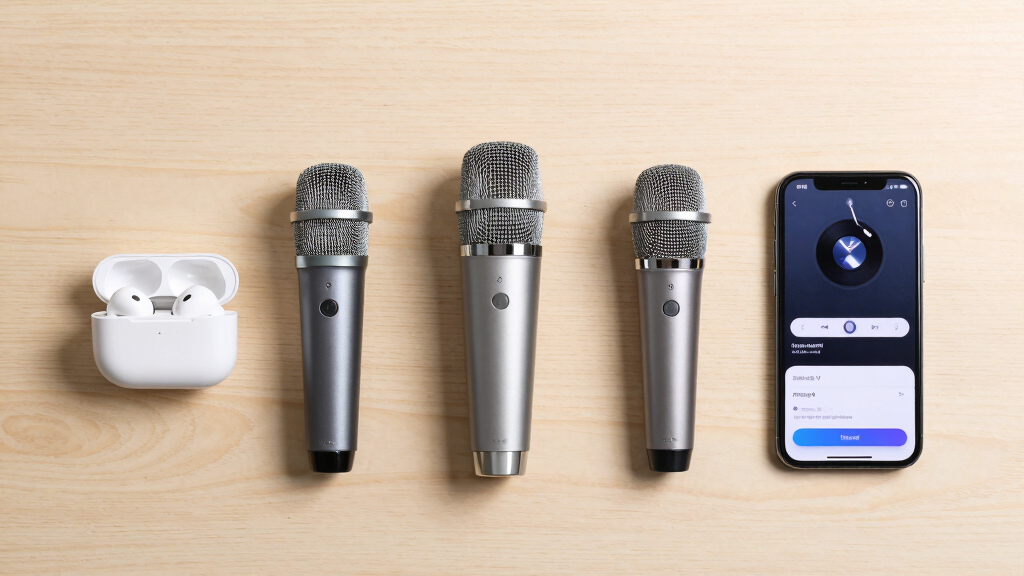
Thorsten Meyer AI has ranked 10 USB microphones for 2026, naming the Logitech Blue Yeti the best option for most users. The guide favors its four pickup patterns but identifies cheaper and more focused alternatives for solo recording, noisy rooms and conference calls.
Thorsten Meyer AI has named the Logitech Blue Yeti the best USB microphone for most people in its 2026 comparison of 10 models, citing its four pickup patterns, condenser sound and plug-and-play support for streaming, podcasting and calls. The ranking matters for buyers choosing between versatile full-size microphones, lower-cost solo-recording models and compact devices built mainly for speech.
The guide ranks microphones using audio quality, pickup patterns, onboard controls and price. It places the full-size Blue Yeti at the top because its cardioid, omnidirectional, bidirectional and stereo modes support solo recording, interviews and group sessions without requiring separate microphones.
For buyers focused on price, the report identifies the FIFINE K669B as the best-value option. Its metal construction and cardioid recording are suited to solo speech, although the microphone lacks a mute button, headphone output and onboard gain control. The Blue Yeti Nano offers a smaller premium alternative with cardioid and omnidirectional modes, but fewer controls and pickup options than the full-size Yeti.
The ranking also separates microphones by environment. The FIFINE AM8 dynamic microphone, which supports USB and XLR connections, is presented as the strongest choice for noisy or untreated rooms. The Tonor conference model uses omnidirectional pickup for groups, while inexpensive CMTECK and gooseneck microphones are positioned primarily for calls and dictation rather than audience-facing recordings.
Room Noise Reshapes the Ranking
The comparison shows that room conditions may matter more than headline specifications. Sensitive condenser microphones such as the Blue Yeti and K669B can capture detailed voices, but they may also pick up keyboards, fans and room reflections. A dynamic microphone placed close to the speaker can produce cleaner results where acoustic treatment is limited.
The findings also challenge the assumption that higher prices always deliver a large improvement in solo voice quality. According to the guide, spending above about $50 primarily adds versatility, pickup modes and live controls. For streamers, features such as mute, gain adjustment and zero-latency headphone monitoring can affect day-to-day use more than capsule specifications.
Best USB microphone for streaming 2026
As an affiliate, we earn on qualifying purchases.
As an affiliate, we earn on qualifying purchases.
Ten Models Across Four Use Cases
The 2026 list covers 10 microphones from eight brands and divides them across streaming, podcasting, calls and conference-room use. Its recommendations range from full-size condenser microphones to compact USB devices and flexible gooseneck models, reflecting the different demands of recorded content and workplace speech.
The guide gives the ZealSound K66 credit for onboard gain, mute, echo and monitoring controls, while the FIFINE AM8 offers an upgrade path from USB to XLR. The Tonor conference microphone can pick up a table from a claimed distance of up to 11.5 feet, although its omnidirectional design also captures surrounding noise. That distance is a manufacturer-style specification cited by the source, not an independently verified performance result.
“The best USB microphone for most people in 2026 is the Logitech Blue Yeti.”
— Thorsten Meyer AI’s 2026 USB microphone guide
As an affiliate, we earn on qualifying purchases.
Testing Evidence Is Still Limited
The supplied material does not disclose a standardized test method, recording samples, measurement equipment or comparable street prices for every microphone. It is also unclear whether all 10 products were tested under identical conditions, so the ranking should be read as the publisher’s evaluation, not a controlled laboratory result.
The source calls these products USB microphones, but it does not identify built-in generative AI or comparable machine-learning hardware in the recommended models. References to “AI microphones” may describe their use with AI-assisted calling or audio software rather than a confirmed product feature. Prices and device compatibility may also vary by seller, operating system and connection mode.
USB microphones for calls and conferencing
As an affiliate, we earn on qualifying purchases.
As an affiliate, we earn on qualifying purchases.
Buyers Must Match Mic to Room
Prospective buyers can next compare current prices, port requirements and return policies, then test a shortlisted microphone in the room where it will be used. Solo creators in quiet spaces may favor the Yeti or K669B; users with keyboard noise or bare rooms may benefit more from the FIFINE AM8. Further independent measurements would be needed to confirm the guide’s sound-quality comparisons across all models.
As an affiliate, we earn on qualifying purchases.
Key Questions
Which USB microphone ranked best for most people in 2026?
The guide selected the Logitech Blue Yeti because its four pickup patterns cover solo speech, interviews, group discussions and stereo recording.
What is the best lower-cost option?
The FIFINE K669B received the value recommendation for its metal build and cardioid recording. It lacks mute, monitoring and onboard gain controls.
Which microphone is better for a noisy room?
The report favors the FIFINE AM8 dynamic microphone for rooms with keyboard noise or limited acoustic treatment, provided the speaker stays close to the microphone.
Are inexpensive call microphones suitable for podcasts?
The source says sub-$30 models such as the CMTECK G009 and basic gooseneck microphones can provide clear speech for calls, but lack the richer sound expected for published podcasts.
Do these microphones contain artificial intelligence?
The source does not confirm built-in AI processing in the ranked products. They are primarily USB audio devices that may be used alongside software offering noise removal, transcription or other AI-assisted functions.
Source: Thorsten Meyer AI