
TL;DR

Get business pricing on tech for your team
- Business-only prices and quantity discounts
- Tax-exempt purchasing
- Multiple users, one account, clear invoices
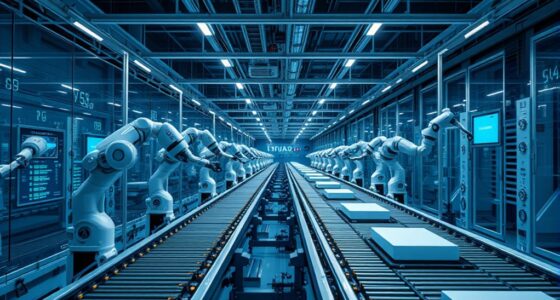
Japan announced plans to invest approximately $65 billion in physical AI by 2040, focusing on 17 key sectors through public and private funding. The initiative aims to strengthen technological leadership but details on implementation remain pending.
Japan announced a strategic plan to invest a total of 10.5 trillion yen ($65.1 billion) in physical artificial intelligence by fiscal 2040, involving both public and private sectors across 17 key industries.
The Japanese government outlined its goal to channel significant funding into physical AI technology, emphasizing collaboration with private companies. This initiative is part of a broader effort to position Japan as a global leader in advanced AI applications, particularly in sectors such as manufacturing, transportation, healthcare, and infrastructure.
Specific details about the investment breakdown, targeted sectors, or implementation strategies have not yet been disclosed. The plan was announced by Prime Minister Sanae Takaichi’s government, which has prioritized 17 strategic sectors for this investment, aiming to accelerate innovation and economic growth over the next 15 years.
Implications for Japan’s Technological Leadership
This investment plan underscores Japan’s commitment to maintaining its competitive edge in AI technology amid global competition. By focusing on physical AI—applications in robotics, automation, and infrastructure—the initiative could significantly influence industrial productivity and innovation. For investors and technology firms, the plan signals potential opportunities for collaboration and funding in Japan’s evolving AI landscape. It also reflects broader government efforts to integrate AI into critical economic sectors, potentially shaping global AI development trends.
industrial robotics automation equipment
As an affiliate, we earn on qualifying purchases.
As an affiliate, we earn on qualifying purchases.
Japan’s AI Investment Strategy and Global Positioning
Japan has been increasingly investing in artificial intelligence, with previous government initiatives aimed at fostering innovation in robotics and automation. The new plan builds on these efforts, aligning with global trends where nations are competing to lead in AI technology. The announcement follows Japan’s recent emphasis on strategic sectors, including manufacturing and infrastructure, as part of its economic revitalization agenda.
While other countries such as China, the U.S., and South Korea have also announced large-scale AI investments, Japan’s focus on physical AI reflects its traditional strengths in robotics and industrial automation. The $65 billion target is notable for its scale and long-term horizon, indicating a sustained effort to embed AI into Japan’s economic fabric.
“Japan’s plan to invest heavily in physical AI highlights its strategic intent to lead in robotics and automation technologies.”
— an anonymous researcher
As an affiliate, we earn on qualifying purchases.
Details on Implementation and Sector Focus Still Unclear
It is not yet clear how the $65 billion will be allocated among the 17 sectors, nor what specific projects or companies will be involved. The timeline for disbursement and measurable milestones remain to be announced, and the overall governance structure for overseeing this investment has not been disclosed.
As an affiliate, we earn on qualifying purchases.
Japan’s government is expected to release detailed implementation plans, including sector-specific targets and funding mechanisms, in the coming months. Stakeholders anticipate announcements of partnerships with private firms and possibly new regulatory frameworks to support AI deployment. Monitoring these developments will be crucial to understanding how the investment translates into tangible technological advancements.
As an affiliate, we earn on qualifying purchases.
Key Questions
What are the 17 strategic sectors targeted by Japan’s AI investment plan?
The specific sectors have not yet been publicly disclosed, but they are expected to include manufacturing, transportation, healthcare, and infrastructure, among others.
How will the $65 billion be split between public and private funding?
The exact division between government and private sector contributions has not been specified. The plan emphasizes collaboration but details are still forthcoming.
When will Japan release detailed implementation plans?
Details are expected in the coming months, as the government finalizes sector-specific strategies and funding mechanisms.
What impact could this investment have on Japan’s economy?
If successfully implemented, the investment could boost industrial productivity, foster innovation, and strengthen Japan’s global leadership in AI and robotics.
How does this plan compare to AI investments in other countries?
While other nations like China and the U.S. have announced larger or similar-scale investments, Japan’s focus on physical AI and robotics aligns with its industrial strengths and strategic priorities.
Source: Nikkei Asia
Fall Picks
fall essentials
As an affiliate, we earn on qualifying purchases.