📊 Full opportunity report: What Does A Supplier Overcharge Auditor Do For Restaurants? on IdeaNavigator AI — validation score, market gap, and execution plan.

Get business pricing on tech for your team
- Business-only prices and quantity discounts
- Tax-exempt purchasing
- Multiple users, one account, clear invoices
TL;DR
A proposed supplier overcharge auditor would help multi-unit restaurant groups compare invoices with contracts, orders and delivery records to find pricing errors, short shipments and costly substitutions. The idea has not been presented as a launched product or proven savings program; a suggested first test is a 90-day review of paid invoices from three restaurant groups.
IdeaNavigator AI has proposed a supplier overcharge auditor for independent, multi-unit restaurant groups, a tool that would compare supplier invoices with agreed prices, purchase orders and delivery records. The suggested first step is a 90-day review of paid invoices at three groups; no completed test, recovered-credit total or operating product is reported.
The proposed tool is aimed at a director of purchasing or controller overseeing food and beverage purchases across several restaurant locations. Such groups may receive hundreds of supplier invoices a week, according to the proposal. It identifies possible mismatches including contracted prices not applied, cases billed but not fully delivered, higher-priced substitutions and line prices that rise between orders.
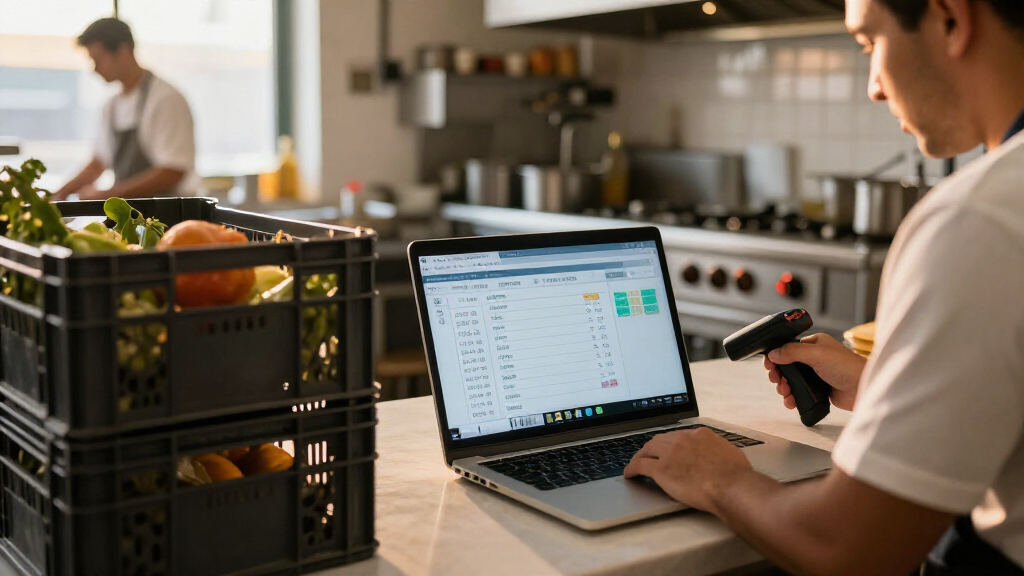
The planned workflow would take in invoices through electronic data interchange where available, or through PDF and photo-based optical character recognition. It would also load each supplier’s contract or quote sheet and the restaurant group’s order guide. The system would compare each line across what was ordered, received, billed and agreed, then flag discrepancies.
For a flagged charge, the tool would draft a credit request for the supplier and track it until a credit appears on a later invoice. The proposal suggests charging a monthly fee per location, with an optional fee tied to recovered credits. Those are proposed product and pricing choices, not evidence of a product already in use or of credits secured.
What Does a Supplier Overcharge Auditor Do? A proposed tool for restaurants
It would compare supplier invoices with agreed prices, orders and delivery records, then flag possible billing errors and track credit requests. Its savings potential has not yet been tested.
What it would check
The proposed auditor compares what was agreed, ordered, received and billed.
Contract mismatches
Flag prices billed above contract or quote terms, including increases between orders.
Quantity and substitutions
Identify cases billed in full but not delivered, or higher-priced substitutions.
How the workflow would work
Load invoices, contracts or quote sheets, order guides and delivery information.
Use EDI where available, or PDF and photo-based OCR, to check billed items against purchasing records.
Draft supplier requests for flagged charges and follow them until a credit appears on a later invoice.
What the pilot must establish
The proposed review would test whether verified credits justify the cost and staff effort.
- Amounts billed above agreed prices
- Short-shipped cases billed in full
- Price increases between orders
- Credits actually issued by suppliers
- How often errors occur
- How much a location could recover
- Whether flags are accurate
- Whether credits exceed software and labor costs
Why Invoice Errors Hit Food Costs
For restaurant groups, even a charge that seems small on one invoice can matter when it recurs across locations and orders. If a supplier bills above an agreed price or charges for cases not delivered, the difference can flow into food costs and operating margins. Finding and documenting errors could give purchasing and finance teams a way to dispute them rather than absorb them unnoticed.
The proposal also points to a timing concern: it cites a USDA Economic Research Service Food Price Outlook dated September 25, 2026, forecasting 2026 retail beef and veal prices to rise 9.4% and wholesale beef prices to rise 8.5%, while food-away-from-home prices were forecast to rise 3.5%. Those are forecasts, not realized results. If supplier costs rise faster than restaurants can adjust menu prices, checking whether invoices match negotiated terms may become more financially relevant.
Potential value remains a hypothesis until measured. A restaurant would need to compare documented, recoverable credits with the subscription cost and the staff time required to review exceptions, contact suppliers and verify adjustments. The tool’s usefulness would depend not just on how many discrepancies it flags, but on whether those flags are accurate and lead to credits.
Products Worth Considering

Bose SoundLink Flex Bluetooth Speaker (2nd Gen) – Portable Outdoor Speaker with Hi‑Fi Audio, Waterproof and Dustproof, USB‑C, Up to 12 Hours

Anker SOLIX C300 Portable Power Station, 288Wh

EcoFlow Delta 3 Portable Power Station – 1024 Wh, 1800 W
As an affiliate, we earn on qualifying purchases.
From Invoice Checks to a Pilot
The idea addresses a specific purchasing workflow rather than restaurant operations broadly. The proposed customer is an independent restaurant group with multiple locations buying from broadline and specialty food and beverage suppliers. The intended users would need access to invoices, purchasing records, contracts or quote sheets, and information about what was actually received.
Those records may sit in different formats and systems. The proposed use of EDI, PDFs and photographed invoices reflects that mix, but the outline does not describe integrations, data-cleaning requirements or how delivery quantities would be confirmed. A price mismatch may be visible from documents alone; confirming a short shipment or substitution may also require reliable receiving records.
To test the business case, IdeaNavigator AI proposes reviewing 90 days of paid invoices and contract or quote sheets from three restaurant groups. The review would total amounts billed above agreed prices, short-shipped cases billed in full and price increases between orders. The stated decision rule is whether documented credits per location clearly exceed the planned subscription fee. No results from such a review are provided.
Savings and Accuracy Remain Untested
The proposal does not report a completed pilot, customer adoption, verified overcharge rate or dollars recovered. It is therefore not yet possible to say how often the listed billing problems occur, how much money a typical location could recover, or whether the value would exceed the software and labor costs.
Several operational details are also unspecified: how the system would distinguish a legitimate price change from an error, how it would handle supplier-specific invoice formats, and what evidence it would use to verify delivered quantities and substitutions. The proposal does not name suppliers or restaurant groups involved in a test, and it gives no timeline for a product launch. The USDA figures cited are forecasts for 2026, not a measure of current restaurant invoice errors.
A Three-Group Review Would Test Value
The next step described is a 90-day lookback across three restaurant groups. A credible test would need to match paid invoices against the relevant prices and purchasing records, document each flagged discrepancy and establish whether suppliers issued credits. It would also need to distinguish confirmed billing errors from differences caused by approved substitutions, updated quotes or incomplete receiving records.
The result would help determine whether a per-location subscription is justified and whether an optional contingency fee is workable. Until those findings are available, the auditor remains a proposed workflow rather than a demonstrated cost-saving service. Restaurant operators considering the approach would need to establish their own baseline for disputed charges, recovery rates and review costs before judging its value.
Source: IdeaNavigator AI
Key Questions
What would a supplier overcharge auditor do?
It would compare supplier invoices with contracts or quote sheets, order guides and delivery information, flag potential price or quantity discrepancies, and track credit requests through later invoices.
Which restaurant groups is the proposal designed for?
The proposed first customer is an independent multi-unit restaurant group, with a director of purchasing or controller overseeing purchases from broadline and specialty food and beverage suppliers.
Has the auditor been shown to recover money?
No recovery results or completed pilot are reported. The proposal recommends a 90-day invoice review at three groups to test whether documented credits per location would exceed the planned subscription fee.
How might the service charge restaurants?
The suggested model is a monthly subscription per location, with an optional contingency fee based on recovered credits. These are proposed pricing options, not confirmed commercial terms.
Source: IdeaNavigator AI