📊 Full opportunity report: How AI-Driven Kitchen Checks Improve Food Safety Compliance on IdeaNavigator AI — validation score, market gap, and execution plan.

Get business pricing on tech for your team
- Business-only prices and quantity discounts
- Tax-exempt purchasing
- Multiple users, one account, clear invoices
TL;DR
Restaurants are testing AI-based kitchen inspection tools that analyze photos from morning walk-throughs to identify food safety violations. This development aims to replace traditional tick-box checklists with verifiable, timestamped reports. The approach is currently being validated across multiple locations.
Restaurant operators are piloting AI-powered kitchen inspection tools that analyze photos from routine walk-throughs to automatically detect food safety violations. This innovation aims to improve accuracy, accountability, and compliance in food safety practices, addressing longstanding issues with manual checklists.
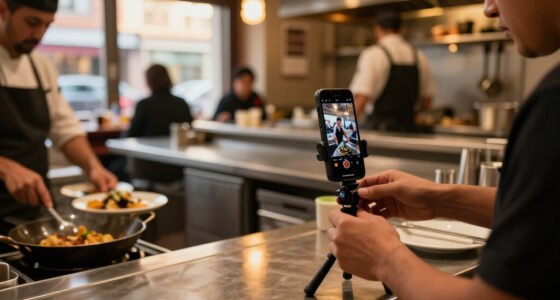
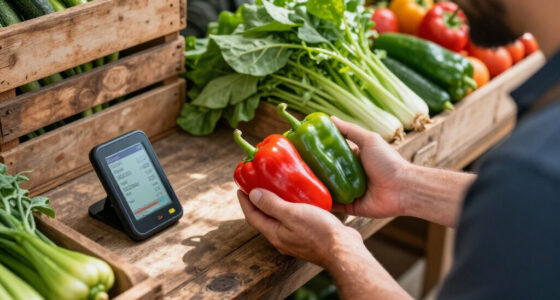
The new approach involves managers taking photos of key kitchen areas during morning inspections, including prep stations, storage, and sinks. Food safety compliance is crucial in these inspections. An AI vision model then analyzes these images to flag violations such as uncovered containers, propped cooler doors, or missing date labels. The system generates timestamped reports and tracks compliance trends across multiple locations.
This technology is being tested as a minimal viable product (MVP) within a multi-unit restaurant group. The goal is to replace subjective, tick-box checklists with objective, verifiable data that can be reviewed and analyzed for ongoing improvements. The initial validation involves comparing AI-detected violations against findings from hired health-inspection consultants over a two-week period at five locations. For more on ensuring food safety, see our food importers’ checklist.
Potential Impact on Food Safety Monitoring
This development could significantly improve food safety compliance by providing verifiable, timestamped inspection data, reducing reliance on subjective checklists. Accurate detection of violations in real-time can help restaurants address issues promptly, potentially lowering the risk of foodborne illnesses and regulatory penalties. If successful, this technology may become a standard part of restaurant operations, increasing accountability and transparency in food safety management.
As an affiliate, we earn on qualifying purchases.
Current Challenges in Restaurant Food Safety Checks
Traditional morning checklists rely on staff ticking boxes to confirm inspections, but these often lack verification of actual conditions. Inspectors later discover violations like uncovered food or missing labels, revealing gaps in manual oversight. The industry has sought more reliable, automated solutions to ensure compliance and improve safety standards.
Recent advances in AI vision models capable of analyzing ordinary phone photos have created opportunities for real-time, verifiable inspections. Pilot programs are now testing these models’ effectiveness in operational settings, marking a shift toward data-driven food safety practices.
“AI models can now reliably flag food safety violations in routine kitchen photos, transforming walk-throughs into verifiable inspection data.”
— an anonymous researcher
As an affiliate, we earn on qualifying purchases.
Uncertainties in Validation and Adoption
It is not yet clear how accurately the AI model will perform across diverse kitchen settings or how quickly restaurants will adopt the technology at scale. The ongoing validation compares AI findings against expert inspections, but broader deployment results remain to be seen.
food safety violation detection device
As an affiliate, we earn on qualifying purchases.
As an affiliate, we earn on qualifying purchases.
Next Steps in Technology Validation and Rollout
The current phase involves completing the two-week testing period at five locations, analyzing the correlation between AI-detected violations and expert assessments. If results are favorable, the vendor plans to expand the pilot to additional sites and refine the model’s accuracy. Long-term, widespread adoption will depend on regulatory acceptance and integration with existing food safety protocols.
restaurant kitchen monitoring system
As an affiliate, we earn on qualifying purchases.
As an affiliate, we earn on qualifying purchases.
Key Questions
How does the AI system analyze kitchen photos?
The system uses a vision model trained to recognize common food safety violations, such as uncovered food, missing labels, or propped doors, and flags severity levels based on detected issues.
What are the benefits of using AI for kitchen inspections?
AI provides objective, timestamped, verifiable data, reduces human error, streamlines compliance tracking, and enables trend analysis across multiple locations.
Are there any limitations to this AI approach?
Performance may vary depending on image quality, kitchen layout, and lighting conditions. Validation is ongoing to determine accuracy across diverse environments.
Will this replace human inspectors?
Currently, the system aims to supplement human inspections by providing additional verification, not replace inspectors entirely. Full automation is not yet feasible.
When might this technology become widely available?
If validation proves successful, the vendor plans to expand testing and consider commercial rollout within the next year, subject to regulatory approval and industry acceptance.
Source: IdeaNavigator AI
Halloween Picks
halloween
As an affiliate, we earn on qualifying purchases.