🔍 Read the full analysis: Are “Compute Campuses” A New Way To Talk About AI Data Centers? on ThorstenMeyerAI.com

Get business pricing on tech for your team
- Business-only prices and quantity discounts
- Tax-exempt purchasing
- Multiple users, one account, clear invoices
TL;DR
OpenAI confirmed the phrase “compute campuses” to Business Insider, describing it as a better fit for the scale and role of its AI infrastructure. A broader post-election public relations campaign was reported by Axios and relayed by TechCrunch, but OpenAI had not publicly launched it as of November 3. The new label does not settle questions about electricity costs, grid upgrades or water use.
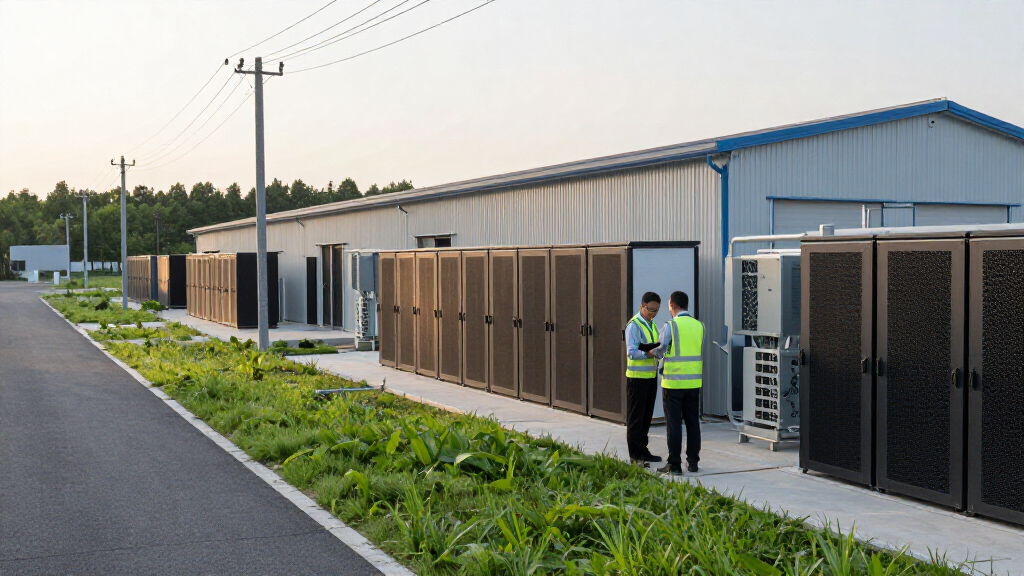
OpenAI has confirmed it is using the term “compute campuses” to describe the large facilities being built to support artificial intelligence, a change that brings new attention to how the industry talks about its expanding infrastructure. The company told Business Insider the phrase better describes the facilities’ scale and role; a wider post-midterm public relations campaign has been reported, but was not publicly launched as of November 3.
The reported campaign emerged in a November 1 TechCrunch account citing Axios. TechCrunch said OpenAI chief global affairs officer Chris Lehane had discussed a post-midterm “PR blitz” and the possible use of “AI compute campuses.” The original Axios report was not available to the source author, so the campaign details are based on TechCrunch’s account of it. OpenAI confirmed the term separately to Business Insider, but no official OpenAI announcement launching a campaign or formally replacing “data centers” was identified by November 3.
OpenAI’s spokesperson said the phrase “better describes the scale and role of the infrastructure we’re building for AI.” The spokesperson also described the projects as “long-term investments in computing, energy infrastructure and skilled work” and said the company wants host communities to help shape them and share in their opportunities. Those statements describe OpenAI’s rationale and intentions; they do not establish how costs or benefits will be distributed at individual sites.
The terminology debate comes amid concern over local impacts. A Pew Research Center survey of 10,548 U.S. adults, conducted July 20 to August 9, 2026, found that half said data centers were mostly bad for home energy costs, up from 38% in January. Fifty-four percent said they were mostly bad for the environment, compared with 39% in January, and 60% said they would be not too or not at all comfortable with a new data center in their area. These are survey responses, not measurements of the effects of any one project.
Costs Behind the New Label
Changing the name does not answer the practical questions facing households and communities near proposed facilities: who pays for electricity generation and grid connections, what happens to water supplies, and whether promised jobs and investment outweigh local costs. The terminology matters because it frames the debate, but a friendlier or broader label cannot by itself alter a project’s power demand, permits or financing.
Some costs are measurable, though their effects are contested. In the PJM electricity market, which serves more than 67 million people across 13 states and the District of Columbia, the 2028–29 capacity auction cleared at its regulator-approved price cap of $325 per megawatt-day. The independent market monitor attributed $6.3 billion of the auction’s $16.4 billion total to data centers. That attribution concerns the auction’s costs; it does not by itself show what portion of any household’s bill was caused by data centers.
That distinction matters for public debate and policy. If the industry’s expansion contributes to grid costs, regulators and utilities need ways to assign those costs fairly. If the relationship between new facilities and retail bills is more complicated, broad claims in either direction risk misleading customers and local officials. The confirmed naming change is therefore a communications development, while the underlying questions require project-level disclosures and enforceable rules.
Products Worth Considering

Anker SOLIX C1000 Gen 2 Portable Power Station

Jackery HomePower 3600 Plus Portable Power Station, 3584Wh, 3600W

Samsung 27-inch Odyssey G5 QHD Gaming Monitor (G51F)
As an affiliate, we earn on qualifying purchases.
Pledges, Grid Costs and Water
OpenAI had already addressed community concerns in its January 2026 “Stargate Community” plan. As quoted by Bisnow, the company said it would be “paying our own way on energy” so its operations would not increase electricity prices. On March 4, the White House announced a Ratepayer Protection Pledge signed by Amazon, Google, Meta, Microsoft, OpenAI, Oracle and xAI. The fact sheet said companies would bring or buy new generation, cover required power-delivery upgrades and pay negotiated rates even if they did not use the electricity.
The pledge is a stated commitment, but the fact sheet identified no penalty, enforcement body, monitoring process or reporting requirement. The International Energy Agency’s April 2026 report, “Key Questions on Energy and AI,” said recent measures could shift some financial risk away from utilities, while the extent of consumer protection remained unclear. It also noted few examples of U.S. states legislating full cost recovery from data center operators.
Price changes do not have a single established explanation. Virginia and Ohio residential electricity prices rose 11.3% and 10.4% over a year, respectively, according to the source material. The IEA cautioned against assuming a simple state-level link between data centers and household prices, while the U.S. Energy Information Administration attributed a 41% PJM wholesale price jump to weather. At a planned OpenAI site in Pike County, Ohio, the company has said it expects water use comparable to an office building, but plans to release projections when the design is final. The design and projections remain pending.
Campaign Scope and Local Bills
It remains unclear whether OpenAI will launch a formal campaign, when it might begin, or whether “compute campuses” will become the company’s standard public term. The campaign’s reported details come from Axios as summarized by TechCrunch; the term itself is confirmed by OpenAI, but no public launch announcement was identified as of November 3.
It is also not yet possible to identify a single data center’s share of a household’s electricity bill from the figures provided. Capacity-market costs, wholesale prices and residential rates are different measures, and the source material does not establish a direct cause for each reported retail increase. The ratepayer pledge’s enforcement and reporting arrangements are also unspecified in its fact sheet.
At Pike County, OpenAI’s water-use estimate is not yet a final projection: the company said it would publish figures once the facility design is complete. The source material also reports that OpenAI owns no data centers and that partners carry the debt. A reported reduction in OpenAI’s funding target was not confirmed by the company, leaving the scale and financing of its planned buildout uncertain.
Final Designs and Public Commitments
The next concrete information will depend on project and policy disclosures: whether OpenAI publishes a formal communications plan, when it releases final water projections for Pike County, and how the companies that signed the White House pledge report their energy and infrastructure spending. State regulators and utilities will also have a role in setting the terms under which new facilities connect to the grid and recover costs.
For now, readers can distinguish three things: OpenAI confirmed the new wording; a wider campaign is reported but not publicly launched; and company and industry commitments on energy costs have not, in the cited material, been paired with detailed enforcement or reporting rules. The name may shape how the buildout is presented. Its real-world effects will be clearer only as designs, bills and regulatory arrangements are made public.
Key Questions
What does OpenAI mean by “compute campuses”?
OpenAI told Business Insider that the phrase better describes the scale and role of its AI infrastructure. The source material does not identify a technical definition or say that the company has formally replaced “data centers” in all communications.
Has OpenAI launched the reported public relations campaign?
No public launch had been identified as of November 3, 2026. The proposed post-midterm campaign was reported by Axios and summarized by TechCrunch, while OpenAI confirmed the new term separately.
Are data centers causing household electricity prices to rise?
The available evidence does not establish a simple link for every household or state. The source material cites data center contributions to PJM capacity-market costs but also notes the IEA’s caution about state-level comparisons and the EIA’s attribution of a PJM wholesale price increase to weather.
What protections has the energy pledge created for customers?
The White House fact sheet describes commitments by seven companies to bring or buy generation, cover required power-delivery upgrades and pay negotiated rates even if they do not use the power. It does not specify a penalty, enforcement body, monitoring process or reporting requirement.
What is known about water use at OpenAI’s planned Ohio site?
OpenAI expects water use at its planned Pike County site to be comparable to an office building, according to the source material. It said it would publish projections after the design is final, so a definitive estimate is not yet available.
Source: ThorstenMeyerAI.com