
As automation changes retail, jobs that survive focus on blending human skills with technology. Roles like Customer Experience Specialists, Human-AI Collaboration Experts, and Supply Chain Coordinators require digital fluency and adaptability. These positions involve managing AI tools, troubleshooting automation systems, and providing personalized service that machines can’t replicate. If you keep exploring, you’ll discover how you can position yourself for success in this evolving retail landscape.
Key Takeaways
- Customer service roles are evolving to focus on empathetic, complex interactions that AI cannot replicate.
- New positions like Human-AI Collaboration Experts require advanced technical and retail knowledge.
- Warehouse and logistics jobs now emphasize supervising automated systems and troubleshooting equipment.
- Data-driven roles in inventory management and order fulfillment are expanding in automated retail environments.
- Retail jobs are shifting toward hybrid roles that combine technological skills with human-centered customer engagement.

As automation continues to reshape the retail landscape, many jobs are evolving rather than disappearing altogether. Instead of fearing job loss, you’ll find that roles are transforming, requiring new skills and adapting to technological changes. Automation, driven by rising costs, wages, and tight labor markets, is expected to automate about 65% of retail jobs by 2025, affecting millions of positions like cashiers, stock clerks, and customer service staff. However, this shift isn’t just about layoffs — it’s about creating new opportunities in areas that blend human skills with technology.
Automation is transforming retail jobs, creating new roles that combine human skills with technology rather than eliminating employment opportunities.
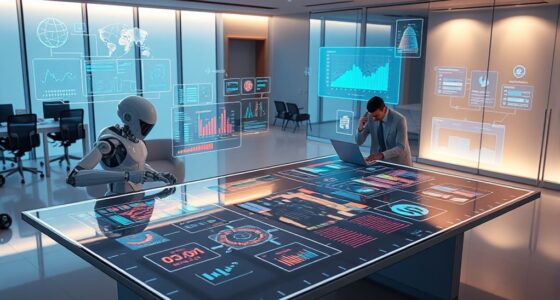
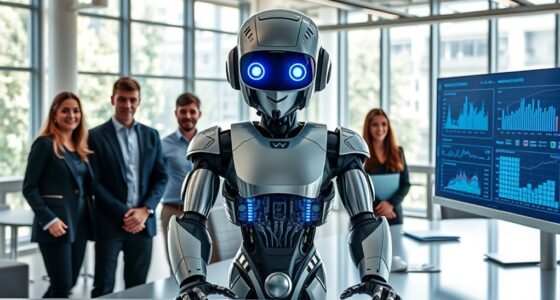
Your role may now involve managing automation systems and AI applications. Retailers need professionals who can oversee these systems, coordinate digital workflows, and ensure smooth human-technology collaboration. Positions like Human-AI Collaboration Experts are emerging, requiring advanced degrees in AI, data science, or product management. These roles demand digital fluency combined with traditional retail knowledge, such as customer relationship management and supply chain coordination. The increasing integration of automated systems in retail highlights the importance of adaptable skill sets.
As e-commerce and omnichannel retailing grow, there’s increased hiring in logistics, fulfillment centers, and last-mile delivery services. You might find yourself working in digital marketing or customer experience management, using AI insights to personalize services and improve customer satisfaction. Warehouse automation also expands your skill set, as maintaining and troubleshooting automated equipment becomes critical. Inventory analytics and order fulfillment roles become more data-driven, relying on automated systems that require your oversight and exception handling.
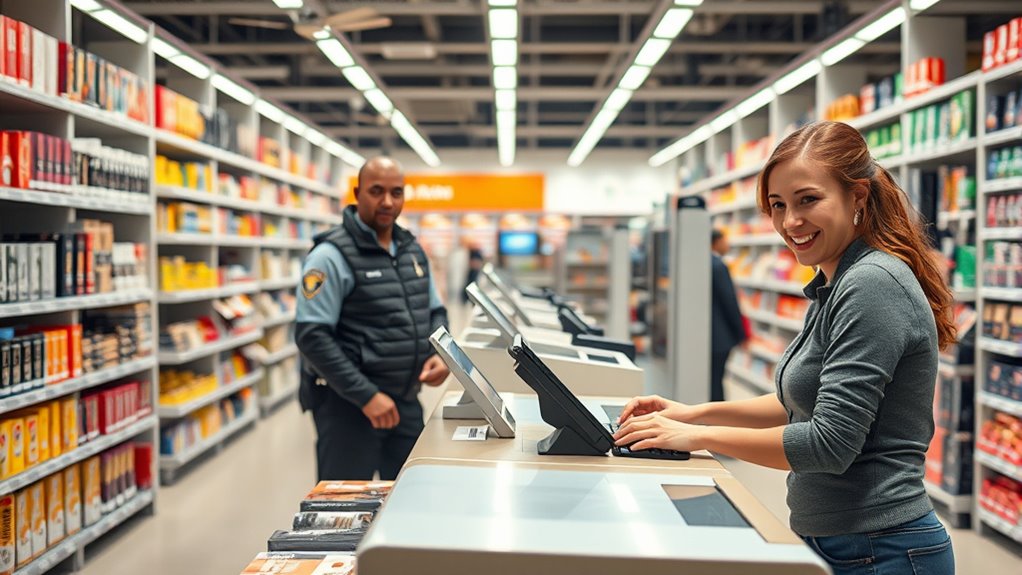
In customer service, AI-powered tools like recommendation engines and self-checkout systems reduce cashier roles but elevate the importance of personalized, complex customer interactions. Your job could involve managing AI tools to gather customer insights or providing empathetic support that machines can’t replicate. Training in digital customer interaction tools becomes essential as the industry adopts new technologies.
In warehouses, automation replaces manual tasks, but your focus shifts to supervising robots and maintaining machinery. Roles now emphasize monitoring automated systems, ensuring operational continuity, and handling data-driven inventory planning. Overall, your career in retail is moving toward a hybrid landscape — blending human intuition and empathy with technological expertise to meet evolving consumer needs. Additionally, the rapid adoption of automation in retail is driven by a need to reduce operational costs and address labor shortages, making adaptability and continuous learning crucial for retail professionals.
Top picks for "evolv jobs survive"
Open Amazon search results for this keyword.
As an affiliate, we earn on qualifying purchases.
Frequently Asked Questions
How Do Retail Jobs Evolve With Emerging AI Technologies?
You’ll find that retail jobs evolve by shifting focus from repetitive tasks to higher-value roles like customer engagement, data analysis, and AI system management. As automation handles routine work, you’ll need to upskill in digital literacy and problem-solving. This change lets you work alongside AI tools, making tasks more meaningful and satisfying. Ultimately, your role becomes more strategic, emphasizing personalized service and problem resolution rather than manual tasks.
What Skills Are Most Valuable for Future Retail Roles?
You’ll find that strong communication, empathy, and cultural awareness are invaluable skills for future retail roles. Your ability to connect with diverse customers, solve problems, and provide personalized service builds loyalty and trust. Additionally, developing commercial awareness, technical proficiency, and teamwork guarantees you adapt to changing technology and operational needs. By continuously learning and honing these skills, you’ll stay relevant and excel in evolving retail environments.
How Can Workers Transition to New Retail Careers?
You can shift to new retail careers by investing in reskilling and upskilling programs focused on emerging technologies like AI tools and customer engagement. Develop soft skills such as empathy, communication, and problem-solving, which remain valuable. Seek certifications, apprenticeships, or training in areas like supervisory roles or technical support. Stay adaptable and leverage your human-centered skills to move into roles that emphasize complex decision-making, creativity, and personalized service.
Which Retail Jobs Are Most Resistant to Automation?
You’ll find retail jobs most resistant to automation involve roles requiring emotional intelligence, complex decision-making, and physical dexterity. For example, retail sales associates who personalize customer service, store managers managing exceptions, and complaint resolution specialists rely on human empathy. Additionally, visual merchandisers, personal shoppers, and maintenance technicians perform creative, adaptable tasks that machines can’t easily replicate. These roles demand skills that keep humans essential, making them less vulnerable to automation.
What Role Does Customer Service Play in Automated Retail Environments?
Customer service plays a vital role in automated retail environments by blending technology with human interaction. You’re likely to notice that 68% of customers are willing to pay more for superior service, which automation helps deliver through personalized support. While AI handles routine inquiries, your role involves addressing complex issues with empathy and problem-solving skills, ensuring customers get a seamless, satisfying experience that keeps them loyal and engaged.
Conclusion
As you adapt to the changing retail landscape, remember that “the only constant in life is change.” Embrace new roles that leverage your human touch—like customer experience and problem-solving—because your skills remain irreplaceable. By staying flexible and open to learning, you’ll not only survive automation but thrive amid it. Keep evolving with the industry, and you’ll find that the more things change, the more opportunities you create for yourself.