
TL;DR

Get business pricing on tech for your team
- Business-only prices and quantity discounts
- Tax-exempt purchasing
- Multiple users, one account, clear invoices
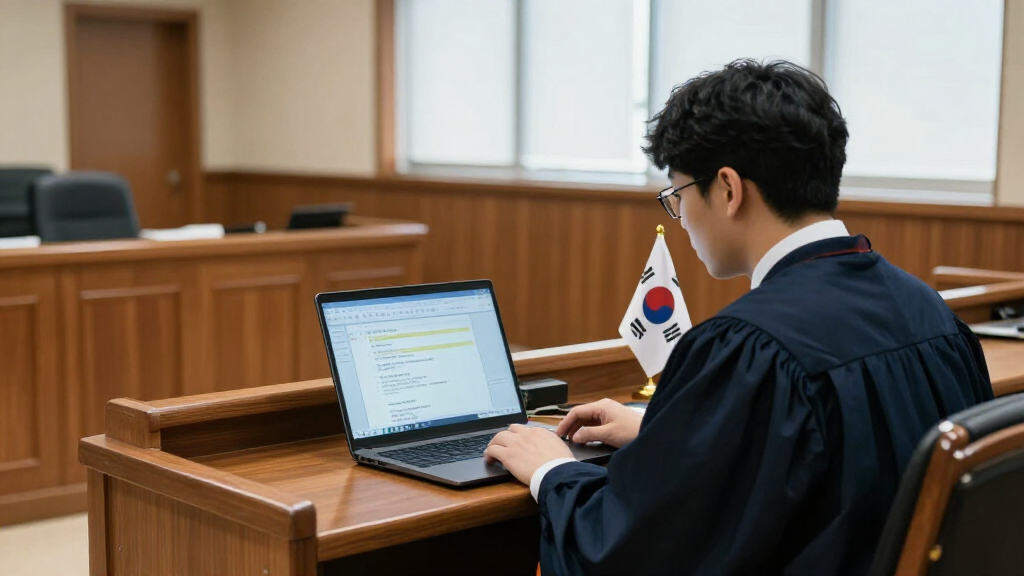
South Korea’s National Court Administration published a survey on November 2, 2026, in which 360 judges reported encountering fabricated or distorted citations. The results cover judges’ reported experiences, not a measured share of court filings, and the administration plans to propose legal changes that could allow fines.
South Korea’s National Court Administration said on November 2 that about 80% of responding judges handling civil, family and administrative cases had encountered filings citing false or nonexistent precedents. The first survey on the issue drew responses from 360 judges across courts of all levels and is prompting the administration to consider procedural-law changes that could allow fines.
Among judges who reported encountering false citations, 196 (80.7%) identified precedents that did not exist, while 159 (65.4%) said real precedents had been cited with false content. Respondents could select more than one type. The survey also recorded reports of false or nonexistent statutes and academic papers, though at lower rates.
The headline figure has a specific denominator. The court administration’s release says about eight in ten responding judges responsible for civil, family and administrative cases had encountered such citations. Across all 360 respondents, 243 judges, or 67.5%, said they had, according to South Korean newspaper Kyunghyang Shinmun. That all-respondent figure is reported by the newspaper; it is not printed in the court administration’s release.
Judges named both litigants and lawyers as sources of false material. 164 judges (69.5%) selected parties representing themselves, and 136 (57.6%) selected lawyers acting as representatives or defense counsel. These are responses about who submitted material judges considered false; they do not establish how often any particular group did so across all cases.
South Korea · Courts & AI · Survey Brief
When a Citation Doesn’t Exist
South Korea’s National Court Administration surveyed judges on false or distorted citations in court filings. The findings describe judges’ reported experiences—not a measured share of all filings—and have prompted plans to consider procedural-law changes.
01 / What judges reported
False citations take several forms
Among judges reported as having encountered false citations, the most frequently selected types involved nonexistent precedents and real rulings presented with false content.
Respondents could select more than one type. Percentages use the 243 judges reported as having encountered false citations, not all 360 respondents.
02 / Who submitted it?
Reports named parties and lawyers
Judges selected who had submitted material they considered false. These responses do not show how often any group did so across all cases.
Judges selected parties representing themselves (69.5%).
Judges selected lawyers acting as representatives or defense counsel (57.6%).
Multiple selections were possible
These counts describe responses, not mutually exclusive groups or a rate of misconduct across court filings.
03 / What the release described
How a false citation can look real
The four-page release gave examples of material judges encountered. It did not count how often each example occurred.
Invented judgments
AI-generated decisions formatted to resemble Supreme Court rulings.
Unfindable case details
Case numbers paired with unfamiliar reasoning that could not be located in searches.
Altered holdings or pasted text
Real rulings cited against their meaning, or unedited AI-style conversation and litigation notes included in filings.
04 / Reading the evidence
What this survey can—and cannot—tell us
The results establish reported experiences and views among respondents. They do not establish a national prevalence rate or the cause of every false citation.
Reported experience
The survey captures judges’ accounts; it does not measure the share of all court filings containing false citations.
Limited published detail
The release does not state how many judges were invited, provide the exact question wording, or describe an independent audit of incidents.
Outcomes remain unknown
Published material does not show whether examples changed rulings, delayed cases, or led to formal sanctions—or whether AI generated every example.
05 / Possible next step
Proposed rules are still pending
The administration plans to propose amendments to South Korea’s Civil and Criminal Procedure Acts. No timetable or final bill details have been specified.
Fines for false citations
A possible legal basis for fines is described as part of the planned amendments. Amounts and scope remain unspecified.
Verify citations
Respondents selected a duty to verify cited authorities among possible institutional measures.
Disclose AI use
Respondents also selected a duty to disclose AI use. These preferences are not adopted rules.
Any proposed amendments would need to pass through South Korea’s legislative process before becoming law. It remains unclear which measures, if any, will appear in a bill.
Quick answers
Key questions
A concise guide to the survey’s scope, findings and proposed response.
How many judges took part?
360 judges from courts at all levels responded between October 6 and 16, 2026.
Did eight in ten of all judges report false citations?
No. The roughly 80% figure concerns responding judges handling civil, family and administrative cases. The newspaper-reported figure for all respondents is 243 of 360, or 67.5%.
What kinds of citations were reported?
Most commonly, nonexistent precedents and real precedents presented with false content. The release also described invented judgments, misleading case details, altered holdings and unedited AI-style text.
What action is being considered?
The administration plans to propose procedural-law changes that could allow fines for false citations. Timing and final provisions are not specified.
False Citations Reach Lawyer Filings
The findings suggest that fabricated citations are a court-process problem, not solely an issue involving people representing themselves. Judges reported encountering material attributed to licensed lawyers as well as to parties. The administration said false citations create an unnecessary verification burden for opposing parties and can hinder the timely progress of trials.
The survey does not determine how many filings contain false citations, how often the material affected case outcomes, or whether AI generated every example. It does, however, show why courts are weighing formal rules: a citation formatted like a real ruling can take time to check even when the cited decision cannot be found.
Judges supported an institutional response: 91.7% called for one. The most frequently selected measures were a legal basis for fines, a duty to verify citations, and a duty to disclose AI use. Those preferences indicate support among survey respondents, but they are not themselves adopted rules.
Products Worth Considering

Apple Watch Series 12 GPS 46mm Smartwatch

Bose QuietComfort True Wireless Earbuds with Active Noise Cancellation, Black

Samsung 27-Inch Odyssey OLED G5 QHD Gaming Monitor
As an affiliate, we earn on qualifying purchases.
What the Court Survey Measured
The National Court Administration, the administrative arm of South Korea’s Supreme Court, collected responses from 360 judges between October 6 and 16, 2026. Its four-page release described the survey as addressing citations of AI-generated false precedents and similar material. It said AI hallucinations can produce nonexistent citations and create extra work for opposing parties and courts.
The release lists examples that judges encountered: AI-generated judgments imitating the format of Supreme Court decisions; case numbers paired with unfamiliar reasoning that could not be located in searches; real holdings altered or cited contrary to their meaning; and text resembling an unedited AI conversation, including litigation strategy notes, pasted into a filing. The material identifies these as examples in the release, not as a count of how often each occurred.
The survey’s denominator matters when interpreting its percentages. For example, 196 of 243 judges is 80.7%; 243 is the number of judges reported by Kyunghyang Shinmun as having encountered false citations. That is distinct from 196 out of all 360 respondents. The release does not state how many judges were invited or provide the exact wording of its questions.
The Scale Beyond Judges’ Reports
The survey records judges’ reported experiences; it does not measure the share of all court filings containing false citations. The release also does not disclose how many judges were invited, the full question wording, or whether the reported incidents were independently audited. The results therefore cannot establish a national rate of fabricated citations or show how many were produced with AI.
It is also not clear from the published material whether any of the cited examples changed a ruling, caused a case to be delayed, or led to a formal sanction. The survey records judges’ views on possible responses, but the administration has not yet enacted the proposed duties or fines.
Proposed Changes to Court Procedure
The National Court Administration plans to propose amendments to South Korea’s Civil and Criminal Procedure Acts that would provide a legal basis for fines related to false citations, according to the source material. The survey release and accompanying account describe the proposal as a next step; they do not specify a timetable, the fine amounts, or the final scope of any legislation.
Any proposal would need to proceed through South Korea’s legislative process before becoming law. The administration’s survey points to other possible measures, including citation-verification and AI-disclosure duties, but it remains unclear which, if any, will be included in a bill. Further details are expected as the proposal takes shape.
Key Questions
How many judges took part in the South Korean survey?
360 judges from courts at all levels responded between October 6 and 16, 2026.
Did eight in ten of all surveyed judges report false citations?
No. The roughly 80% figure applies to responding judges handling civil, family and administrative cases. Kyunghyang Shinmun reports that 243 of all 360 respondents, or 67.5%, said they had encountered false citations.
What kinds of false citations did judges report?
The most common responses were precedents that did not exist and real precedents cited with false content. The administration also described examples including fabricated judgments, misleading case numbers, altered holdings and unedited AI-style conversation text in filings.
What action is South Korea’s court administration considering?
It plans to propose changes to the Civil and Criminal Procedure Acts to allow fines for false citations. The timing and final provisions have not been specified.
Source: Thorsten Meyer AI