
TL;DR

Get business pricing on tech for your team
- Business-only prices and quantity discounts
- Tax-exempt purchasing
- Multiple users, one account, clear invoices
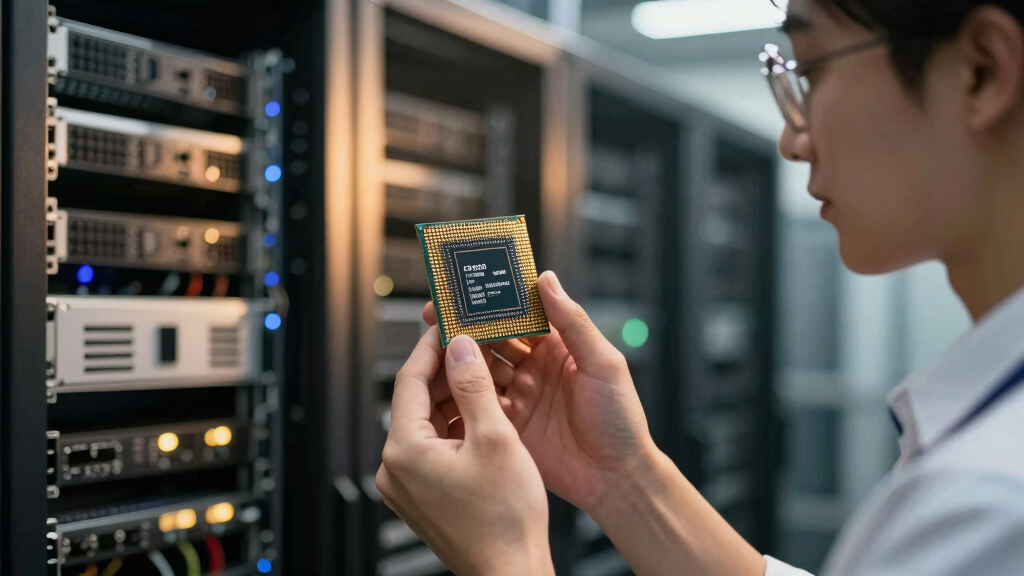
Qualcomm is developing a China-specific data center chip in response to US export curbs. This move signals a strategic shift amid ongoing geopolitical restrictions, but details remain limited.
Qualcomm has confirmed it is developing a China-specific data center chip, in line with US export restrictions, marking a major strategic pivot for the company amid ongoing geopolitical tensions.
On June 25, 2026, Qualcomm announced plans to design a data center chip specifically for the Chinese market. The move is a response to US export restrictions that limit the company’s ability to sell certain advanced chips to China. Qualcomm CEO Cristiano Amon stated that this new chip aims to support China’s growing AI and data center needs while complying with US regulations. The company has not disclosed detailed technical specifications or the timeline for the chip’s development and deployment. Industry analysts suggest this development highlights the ongoing impact of US-China tech restrictions on global semiconductor supply chains and corporate strategies. Qualcomm’s decision indicates a broader trend among chipmakers to localize product offerings for China due to export controls and geopolitical considerations.
Implications of Qualcomm’s China-Specific Chip Strategy
This development underscores how US export restrictions are reshaping the global semiconductor industry. Qualcomm’s move to create a China-specific data center chip reflects a broader industry trend of localizing products to bypass restrictions and access growing Chinese AI and data infrastructure markets. It signals potential shifts in supply chains, competitive dynamics, and regulatory compliance strategies, which could influence global chip markets and US-China tech relations. For Chinese technology firms and data center operators, this could mean increased access to domestically tailored chips, reducing reliance on foreign suppliers and potentially accelerating China’s AI infrastructure growth.
As an affiliate, we earn on qualifying purchases.
Background of US Export Restrictions and Qualcomm’s Market Moves
Since 2022, US export controls have intensified, restricting American companies from selling certain advanced semiconductor technology to China. These restrictions aim to curb China’s access to cutting-edge chip technology amid broader geopolitical tensions. Qualcomm, a leading global chipmaker, has historically supplied components for data centers, mobile devices, and AI applications. The company has previously faced restrictions on certain exports, prompting strategic adjustments. The announcement of a China-specific data center chip aligns with industry efforts to navigate these restrictions by localizing product development. This move follows similar actions by other chipmakers seeking to maintain market presence in China despite US restrictions, reflecting the ongoing geopolitical tug-of-war over technology dominance.
“Qualcomm’s development of a China-specific data center chip is a strategic response to US export restrictions, aiming to maintain its market share in China.”
— an anonymous researcher
As an affiliate, we earn on qualifying purchases.
Details of the Chip’s Technical Specifications and Deployment
It is not yet clear what the technical specifications of the China-specific chip will be, nor when it will be commercially available. Qualcomm has not disclosed specific timelines or detailed technical features, and the regulatory landscape could influence development progress.
Chinese market data center hardware
As an affiliate, we earn on qualifying purchases.
As an affiliate, we earn on qualifying purchases.
Next Steps in Qualcomm’s China Chip Development and Market Entry
Qualcomm is expected to continue developing the China-specific chip, with potential testing and pilot deployments in Chinese data centers. The company may also clarify technical details and timelines in future statements. Monitoring industry responses and regulatory developments will be key to understanding how this strategy unfolds and impacts the global chip market.
enterprise data center components
As an affiliate, we earn on qualifying purchases.
As an affiliate, we earn on qualifying purchases.
Key Questions
Why is Qualcomm developing a China-specific data center chip?
Qualcomm is developing the chip to comply with US export restrictions while maintaining its presence in the Chinese market, which is a significant growth area for data center and AI applications.
What are US export restrictions, and how do they affect Qualcomm?
US export restrictions limit the sale of certain advanced semiconductor technology to China. These restrictions have prompted Qualcomm and other chipmakers to localize product development to continue serving the Chinese market.
Will this chip be technically different from other Qualcomm chips?
Specific technical details have not been disclosed. It is likely tailored to meet Chinese regulatory and market needs, but the exact specifications remain unknown.
When might the China-specific chip be available commercially?
There is no confirmed timeline. Qualcomm has announced ongoing development but has not provided a release date.
Could this move impact US-China tech relations?
Potentially. Localized chip development could reduce reliance on US technology in China, influencing broader geopolitical and trade dynamics.
Source: Nikkei Asia
Fall Picks
fall essentials
As an affiliate, we earn on qualifying purchases.