
TL;DR
Honda has started manufacturing batteries for AI data centers at a US facility, marking a strategic pivot after a decline in EV market demand. This move aims to keep production lines active amid uncertainty in EV sales.
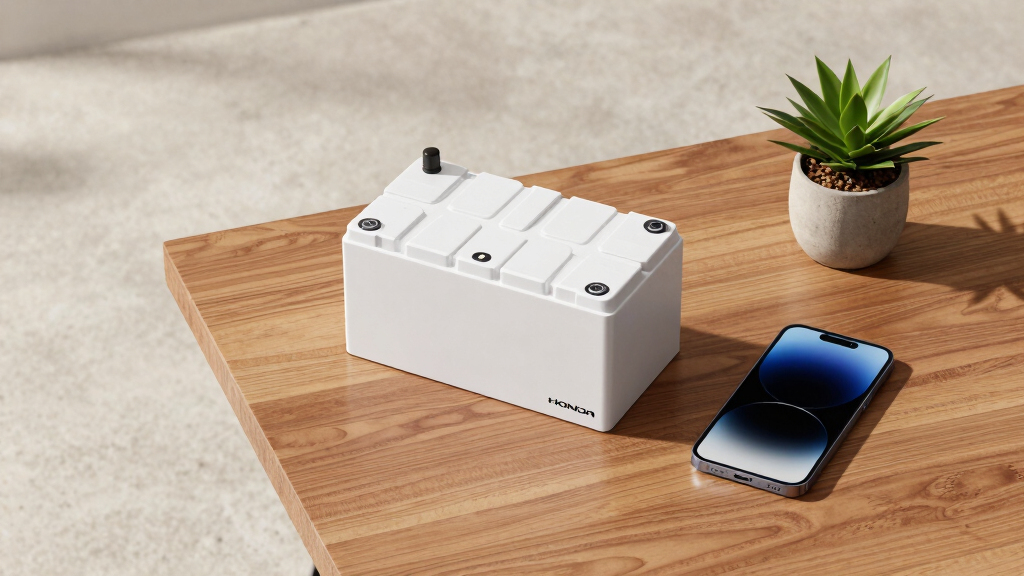
Honda Motor has started producing batteries for artificial intelligence data centers at a US plant originally intended for electric vehicle battery manufacturing, as part of its strategic response to a recent downturn in the EV market.
Honda’s US plant, located in Ohio, has shifted from EV battery production to manufacturing batteries specifically designed for AI data centers. This pivot comes after the company completed a joint venture with LG Energy Solution to build an EV battery plant, which now faces reduced demand following a market slump. Honda aims to maintain factory utilization and preserve jobs by diversifying its battery production focus.
According to an anonymous researcher cited by Nikkei Asia, Honda’s move reflects a broader industry trend of adjusting supply chains in response to fluctuating EV sales. The company has not publicly disclosed detailed production volumes or future plans but confirmed the start of battery manufacturing for AI data centers as part of its interim strategy.
Strategic Shift in Honda’s Battery Production Focus
This development indicates Honda’s adaptation to current market conditions, emphasizing data center infrastructure over EVs temporarily. It highlights how automakers are diversifying their battery business to mitigate risks associated with fluctuating EV demand, which could influence industry supply chains and investment priorities.

Behind the Meter: Private Power for Data Centers (Hyperscale Data Centers, Emerging Trends in the Data Center Industry, and Artificial Intelligence (by DesignIntent.AI))
As an affiliate, we earn on qualifying purchases.
As an affiliate, we earn on qualifying purchases.
Market Conditions Prompt Honda’s Production Reassessment
Honda and LG Energy Solution completed their Ohio EV battery plant in 2025, aiming to capitalize on the growing electric vehicle market. However, since then, global EV sales have experienced a significant slowdown, leading Honda to re-evaluate its electrification strategy. The company now appears to be shifting focus toward batteries for data centers, a sector with steady demand and less volatile growth prospects.
This pivot aligns with broader industry trends where automakers seek alternative revenue streams amid uncertain EV market recovery, which some analysts estimate could take several years.
“Honda’s move to produce batteries for AI data centers reflects a strategic response to current market challenges, aiming to keep manufacturing lines active while awaiting a rebound in EV demand.”
— an anonymous researcher
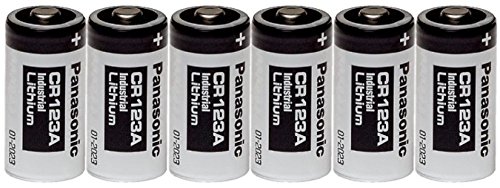
Panasonic Industrial CR123A Lithium Battery 3V 6 Pack
Nominal Voltage: 3.0V
As an affiliate, we earn on qualifying purchases.
As an affiliate, we earn on qualifying purchases.
Unclear Details on Production Scale and Future Plans
It is not yet confirmed how much battery capacity Honda is dedicating to AI data center products or whether this shift is temporary or part of a longer-term diversification strategy. Honda has not announced specific future production targets or timelines for returning to EV battery manufacturing.

Mighty Max Battery YTZ7S – 12 Volt 6 AH, 130 CCA, Rechargeable Maintenance Free SLA AGM Motorcycle Battery
YTZ7S is a 12V 6AH 130 Cold Cranking Amps (CCA) Sealed Lead Acid (SLA) Battery
As an affiliate, we earn on qualifying purchases.
As an affiliate, we earn on qualifying purchases.
Next Steps in Honda’s Battery Strategy and Market Recovery
Honda is expected to monitor market conditions closely and may adjust its production focus accordingly. The company could also announce further investments or strategic shifts if EV demand remains subdued. Industry analysts will be watching for updates on Honda’s long-term electrification plans and how its new battery products for data centers perform in the market.
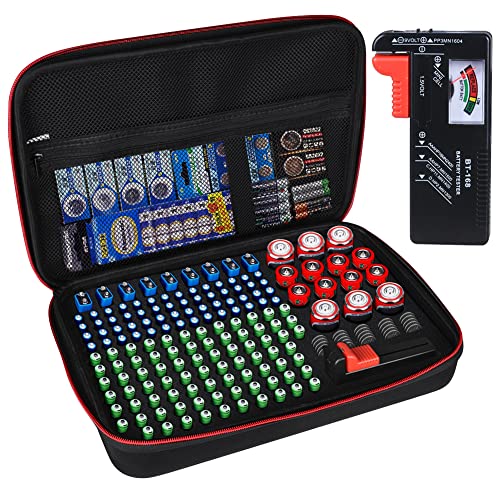
Battery Organizer Storage Box with Tester, Battery Vault Case Fireproof Waterproof Explosionproof Holder Box with Tester BT-168 Checker Carrying Case Container Bag Fit for 200+ Batteries AA AAA C D 9V
Fireproof Explosion Proof Waterproof: Fireproof Battery Organizer Case is made of upgraded non-itchy silicone coated fiberglass that can…
As an affiliate, we earn on qualifying purchases.
As an affiliate, we earn on qualifying purchases.
Key Questions
Why is Honda shifting from EV batteries to AI data center batteries?
The shift is a strategic response to a slump in EV demand, aiming to keep manufacturing operations active and diversify revenue sources amid market uncertainty.
How significant is Honda’s new battery production for AI data centers?
While the exact scale is unclear, this move represents a notable diversification effort that could influence industry supply chains and future product lines.
Will Honda return to EV battery production soon?
It is not yet confirmed. Honda has not announced specific timelines or plans for resuming EV battery manufacturing, indicating the shift may be temporary or contingent on market recovery.
What does this mean for Honda’s overall electrification goals?
This pivot suggests Honda is re-evaluating its approach and may delay or modify its original EV expansion plans depending on market conditions.
Could this strategy affect Honda’s competitiveness in the EV market?
Potentially, as diverting focus to data center batteries may delay Honda’s EV rollout, but it could also help sustain the company’s manufacturing capacity during a downturn.
Source: Nikkei Asia