
TL;DR

Get business pricing on tech for your team
- Business-only prices and quantity discounts
- Tax-exempt purchasing
- Multiple users, one account, clear invoices
Go’s IPO raised ¥88.6 billion, enabling the company to invest in robotaxi technology and strategic acquisitions. The move aims to address Japan’s taxi driver shortage amid a quiet listing season.
Go has announced it will use the ¥88.6 billion ($553 million) raised in its IPO to expand its robotaxi business and pursue acquisitions, marking Japan’s biggest IPO of 2026. This move aims to address the country’s ongoing taxi driver shortage and signals a significant shift in the mobility industry.
Go, a major Japanese ride-hailing company founded in 1977, went public on Tuesday, marking the largest IPO in Japan this year. The company attracted notable institutional investors including BlackRock, Wellington Management, and M&G Investment Management. Despite a slight decline post-IPO, the company’s stock closed at ¥2,314, down about 4% from the IPO price of ¥2,400.
According to a company spokesperson, the proceeds will primarily fund research and development related to autonomous taxis, as well as strategic mergers and acquisitions both within and outside the taxi industry. The company’s goal is to leverage the capital to bolster its position amidst a shrinking driver workforce and rising demand for innovative mobility solutions.
Japan’s taxi industry has seen a roughly 20% decline in driver numbers over recent years, driven by an aging population and limited success of ride-share services launched in 2024. Go’s partnerships with Waymo, Nihon Kotsu, Kakao T, Alipay, and WeChat Pay exemplify its efforts to integrate autonomous technology and serve inbound travelers. However, a full rollout of driverless taxis remains unconfirmed, with no specific timeline for commercial deployment.
Why This IPO and Strategy Shift Are Industry-Shaping
This move underscores a broader industry shift toward autonomous mobility solutions in Japan, driven by demographic challenges and labor shortages. The capital infusion enables Go to accelerate its robotaxi development, potentially transforming urban transportation and reducing reliance on human drivers. It also signals investor confidence in autonomous tech, despite the sector’s still-developing regulatory landscape.
For consumers and policymakers, the success of these initiatives could lead to safer, more efficient, and more accessible transportation options, especially in regions with driver shortages. The IPO’s scale and the company’s strategic focus highlight the importance of innovation in maintaining industry competitiveness amid demographic decline.
As an affiliate, we earn on qualifying purchases.
Japan’s Taxi Industry and the Rise of Autonomous Vehicles
Japan’s taxi industry has been struggling with a declining workforce, losing approximately 20% of drivers over recent years, largely due to an aging population and low recruitment. The government has encouraged startups to sell rather than go public, making Go’s IPO notable within a quiet listing season.
Simultaneously, the industry is exploring autonomous vehicle technology as a solution to labor shortages. Partnerships with firms like Waymo and Nissan, along with recent pilot programs in Tokyo, reflect a strategic push toward driverless taxis. Other companies, including Uber, Nissan, and Didi Mobility Japan, are also testing autonomous services in Tokyo, indicating a competitive landscape for future mobility solutions.
“We intend to use the proceeds from the sale of newly issued shares toward investment in research and development related to robotaxis and investment in business expansions, including strategic mergers and acquisitions in our business inside and outside of the taxi industry.”
— a company spokesperson
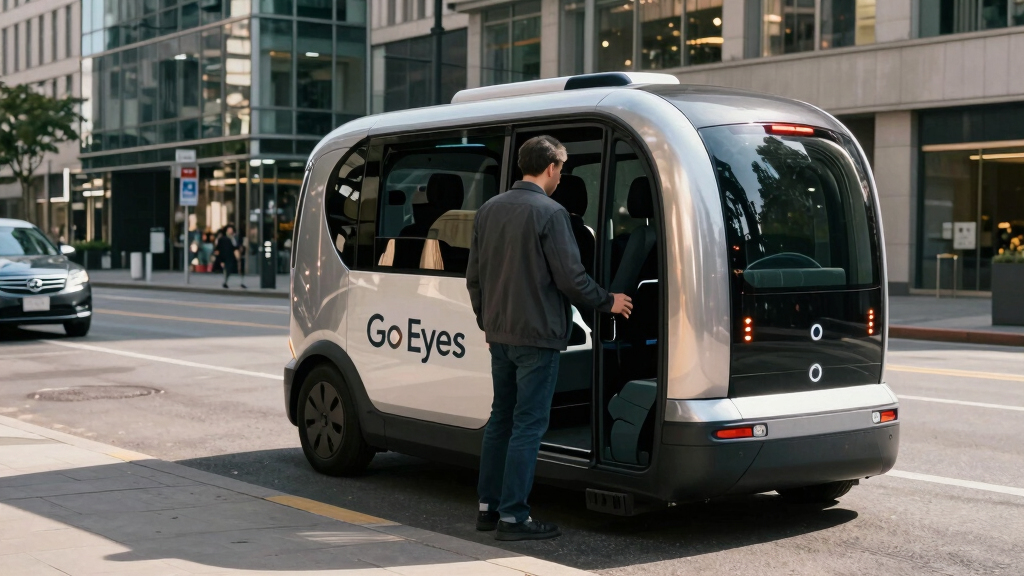
driverless car for urban transportation
As an affiliate, we earn on qualifying purchases.
As an affiliate, we earn on qualifying purchases.
Unclear Timeline for Fully Autonomous Taxi Deployment
While Go has partnered with Waymo and others, it has not set a specific timeline for the commercial launch of fully driverless taxis. The regulatory approval process and technological validation remain ongoing hurdles, and it is uncertain when autonomous taxis will become a widespread reality in Japan.
As an affiliate, we earn on qualifying purchases.
Upcoming Milestones in Go’s Autonomous Vehicle Strategy
Next steps include continued development and testing of autonomous driving technology, regulatory negotiations, and potential pilot programs in select Japanese cities. The company’s strategic acquisitions and partnerships will also be key indicators of its progress toward commercial deployment of robotaxis, expected to unfold over the next 12-24 months.
As an affiliate, we earn on qualifying purchases.
Key Questions
How much did Go raise in its IPO?
Go raised ¥88.6 billion ($553 million) in its IPO, making it the largest in Japan for 2026.
What are Go’s plans for autonomous taxis?
Go plans to develop and deploy robotaxis, partnering with Waymo and others, but has not announced a specific timeline for full autonomous operation.
Why is this IPO significant for Japan’s mobility industry?
The IPO provides capital to address driver shortages and accelerate autonomous vehicle development, signaling a shift toward innovation in urban transportation.
What challenges does Go face in deploying robotaxis?
Key challenges include regulatory approval, technological validation, and establishing safety standards for fully driverless taxis.
Are other companies working on autonomous taxis in Tokyo?
Yes, companies like Uber, Nissan, and Didi Mobility Japan are testing autonomous taxi services in Tokyo, with pilot programs planned for late 2026.
Source: TechCrunch
Fall Picks
fall essentials
As an affiliate, we earn on qualifying purchases.