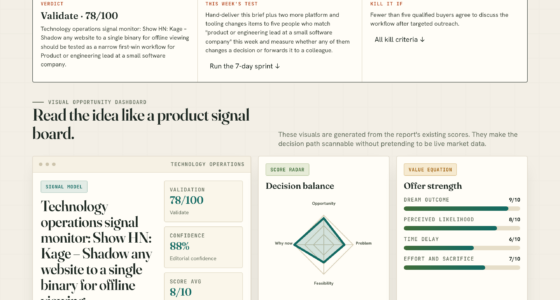

📊 Full opportunity report: Anthropic Is Turning Claude Code’s Auto Mode On By Default – TechCrunch on ThorstenMeyerAI.com — validation score, market gap, and execution plan.

Get tech for your team delivered free — and shop member deals
- Fast, free delivery on millions of items
- Access to Prime Big Deal Days deals on October 6–7
- Prime Video, Amazon Music and more included
TL;DR
Anthropic has turned on auto mode as the default for new Claude Code sessions on select plans, allowing the AI to execute many actions automatically. This change aims to improve productivity but raises safety concerns, with performance metrics not independently verified.
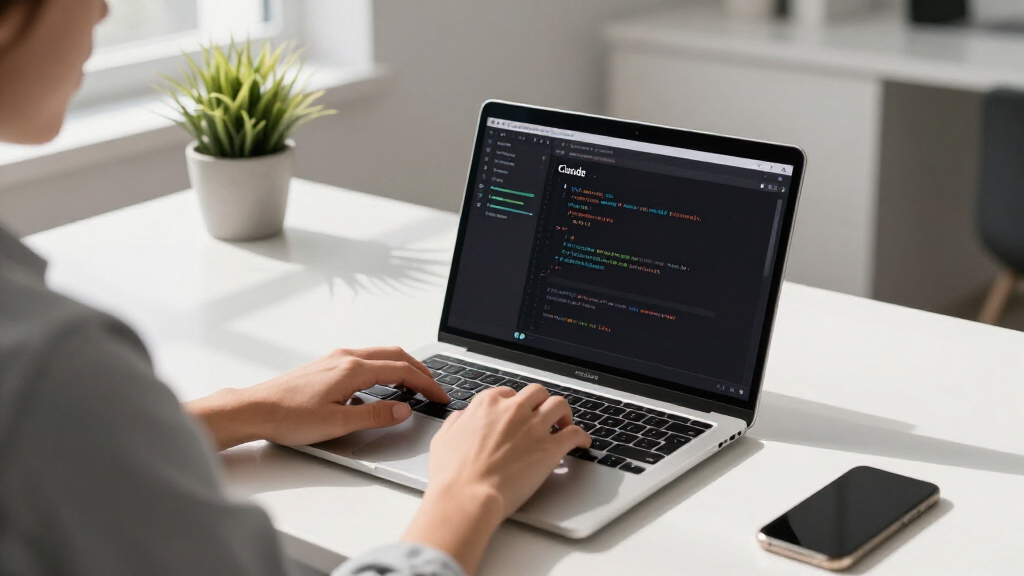
Anthropic has made auto mode the default setting for new Claude Code sessions on its Pro, Max, and Team plans as of August 14, 2026. This change allows the AI coding assistant to carry out many actions without prompting for approval at each step, potentially increasing efficiency but shifting safety responsibilities onto an automated classifier. The move affects the starting permission mode, though users retain control to switch modes, and administrators can restrict auto mode through managed settings.
Previously available as a research preview since March 2026, auto mode was made generally accessible in July 2026 before being set as the default for certain paid plans. The feature enables Claude Code to review its actions through a separate safety classifier before execution, blocking or escalating potentially harmful or irreversible actions. Anthropic reports that, in internal testing, auto mode blocked 89% of inserted harmful actions, compared to 13.6% with manual review, although these figures have not been independently verified.
Anthropic states that the change aims to reduce permission fatigue and streamline long-running coding tasks. The company also announced that it will no longer charge users for the small classifier usage generated by each tool call, removing a cost factor associated with auto mode. While the feature is designed to enhance productivity, it does not eliminate the need for human oversight, and safety performance in real-world, untrusted environments remains unproven.
Implications of Making Auto Mode Default for Developers
This change shifts a portion of safety control from human reviewers to an automated classifier, potentially increasing coding efficiency but also introducing new risks. The move signals a broader industry trend toward greater AI autonomy, raising questions about safety, oversight, and the reliability of automated safety systems. Organizations adopting auto mode will need to carefully evaluate their trust in the classifier, especially when handling sensitive credentials or untrusted codebases.
As an affiliate, we earn on qualifying purchases.
Background on Claude Code and Auto Mode Deployment
Anthropic introduced auto mode in March 2026 as a research preview aimed at reducing permission fatigue during AI-assisted coding. The feature was made generally available in July 2026 before being set as the default for Pro, Max, and Team plans in August 2026. The company claims that auto mode improves productivity, citing internal tests where it blocked a high percentage of harmful actions. However, the safety and effectiveness of the classifier in diverse real-world scenarios have not been independently verified or published in detail.
“Auto mode lets Claude execute without permission prompts.”
— an anonymous researcher
As an affiliate, we earn on qualifying purchases.
Unverified Safety and Performance Metrics
It remains unclear how auto mode will perform in complex, untrusted, or production environments. Anthropic has not published comprehensive data or independent evaluations of the classifier’s effectiveness across diverse use cases. The reported 89% blocking rate of harmful actions is based on internal testing, and the possibility of missed unsafe actions or false positives persists. The real-world safety implications of default auto mode are still uncertain.
As an affiliate, we earn on qualifying purchases.
Monitoring Real-World Usage and Safety Outcomes
The next steps involve monitoring how organizations implement auto mode, assessing incident reports, false positive/negative rates, and any safety issues arising from autonomous actions. Anthropic may update or revise the classifier based on emerging data. Additionally, users and administrators will need to decide on trust boundaries and configure settings accordingly, especially for high-risk projects. Public transparency regarding safety performance will be critical as adoption grows.
As an affiliate, we earn on qualifying purchases.
Key Questions
What does auto mode do in Claude Code?
Auto mode allows Claude Code to perform many actions automatically without asking for permission at each step, with a safety classifier reviewing actions before execution.
Who is affected by the default change to auto mode?
The change applies to new sessions for Pro, Max, and Team plan users, with organization administrators able to manage or restrict auto mode via settings.
Can users disable auto mode if they prefer manual approval?
Yes, users can select a different permission mode, and administrators can enforce restrictions through managed configurations.
Does auto mode guarantee safety from harmful commands?
No. While the classifier aims to block unsafe actions, it is not foolproof, and some harmful commands may still go through. Users should maintain oversight and handle sensitive tasks carefully.
What are the potential risks of relying on auto mode?
Potential risks include missed unsafe actions, false positives blocking legitimate work, and the possibility of prompt injection or mishandling credentials in untrusted environments.
Source: ThorstenMeyerAI.com
Halloween Picks
halloween
As an affiliate, we earn on qualifying purchases.