
TL;DR

Get business pricing on tech for your team
- Business-only prices and quantity discounts
- Tax-exempt purchasing
- Multiple users, one account, clear invoices
OORT is a browser-based exhibition built around a fictional observatory watching the fictional comet P/2043 K1 Vesper. Its “held-light” technique extends seeded star trails as visitors stay on the page, preserving elapsed time locally and making the act of waiting part of the artwork.
OORT, an AI-assisted web exhibition about a fictional observatory tracking the fictional comet P/2043 K1 Vesper, turns time spent on its page into part of the artwork. Its central “held-light” effect, as detailed in the original analysis, gradually lengthens star trails while a visitor stays, then resumes the same locally stored sky when they return.
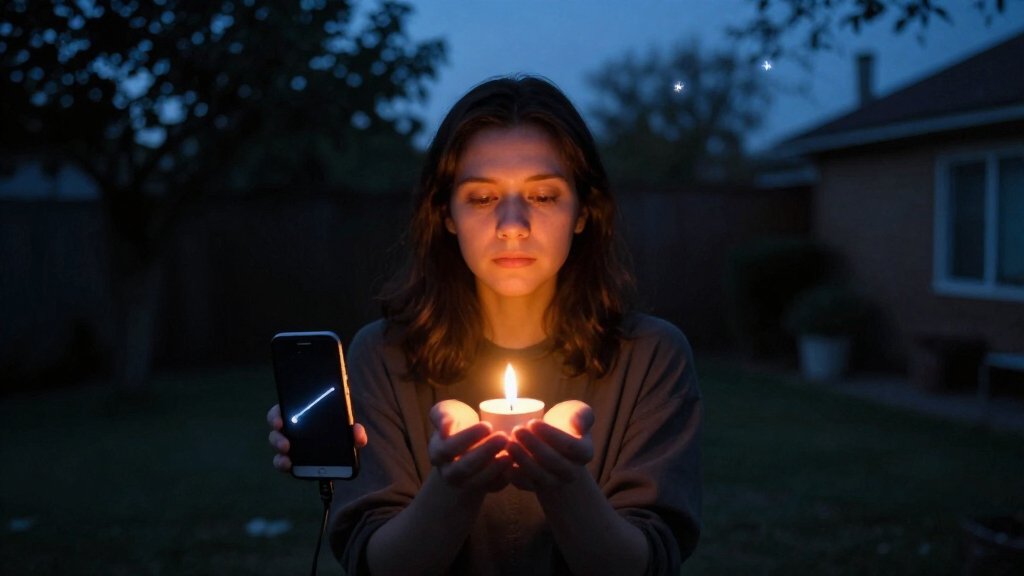
The exhibition presents itself as a room in an observatory, where an imagined community keeps watch over Vesper across decades; a glimpse of OORT captures that setting. A canvas draws stars in curved paths around a point below the visible frame. As time passes, the arcs extend; a repeatable seed keeps the sky consistent on that device, and local storage retains elapsed time between visits. The trails are a visual record of time on the page, not evidence of an astronomical observation.
Other controls connect the visitor’s actions to the fictional observatory. Scrolling moves a comet through an inline SVG, with an ion tail directed away from the sun and a dust tail bending along the imagined orbit. A shared progress value coordinates the paths with the displayed distance and year. A range control adjusts a defocus view and its associated brightness estimate.
Visitors can briefly hold a control to open a simulated shutter, a technique also used in a two-minute vigil. The page logs a timestamp but does not claim that the comet has been seen. The design also describes behavior intended to support browsing: the animation stops when the page is hidden, and reduced-motion settings receive a still version.
OORT · A Browser-Based Exhibition
Creating an AI Comet Vigil with the Held-Light Technique
A fictional observatory watches fictional comet P/2043 K1 Vesper. As visitors stay, seeded star trails lengthen; when they return on the same device, the sky is designed to resume.
01 / How waiting becomes visible
A sky that records time on the page
OORT turns a familiar browsing action into part of the artwork. The trails mark duration spent with the exhibition, while saved elapsed time is intended to let the same device’s scene continue on a later visit.
01 · Seeded canvas
Consistent star field
A repeatable seed keeps the stars consistent on that device. A canvas draws their curved paths around a point below the visible frame.
02 · Held light
Trails grow with time
As a visitor stays, the arcs extend. Local storage retains elapsed time so the visual record can resume after a return visit.
03 · Clear boundary
Attention, not evidence
The trails record time on the page. They are not an astronomical observation, and the fictional comet remains unseen.
02 / Visitor journey
From arrival to a simulated vigil
Controls link the visitor’s actions to the fictional observatory. A shared progress value coordinates the comet’s illustrated path with the displayed distance and year.
Stay
The canvas gradually lengthens its seeded star trails.
Scroll
An inline SVG advances the comet through its imagined approach.
Adjust
A range control changes the defocus view and its associated brightness estimate.
Hold
A brief control hold opens a simulated shutter and logs a timestamp of attention.
03 / What the interactions mean
Instrument language, fictional sky
Astronomy-inspired graphics support the exhibition’s fiction. They do not establish a real ephemeris, observing history, or sighting of P/2043 K1 Vesper.
The page makes duration material
The experience presents waiting as an action with a visible consequence. A timestamp marks a visitor’s attention; it does not say that an image of the comet was captured.
Experience components · conceptual roles
“The comet remains unseen and in transit.”
OORT Exhibition Description“The page makes duration part of the artwork.”
OORT Exhibition Description04 / Project record
What is described—and what is open
The brief outlines an AI-assisted, single-page experience and a three-pass production process. The supplied material does not include independent review records or test results.
Production brief
One-page build
HTML, CSS, and JavaScript; no frameworks, external requests, or image assets. The art direction calls for a dark observatory palette and responsive layouts.
Intended support
Browsing controls
The described behavior stops animation when the page is hidden and provides a still version for reduced-motion settings.
Not documented
Independent checks
Launch date, builder and reviewer identities, accessibility checks, contrast measurements, and frame-rate results are not stated.
Its orbit, dates, and observing history belong to the fiction; the source does not establish them as real astronomical facts.
The brief describes build, critique, and art-direction passes, including a target of fixing at least ten issues. Review records are not supplied.
No scheduled update or release milestone is given. The described next step for visitors is simply to return.
05 / Key questions
Quick answers for visitors
The exhibition’s language borrows from observing practice while keeping its central boundary clear: this is an imaginative experience about a fictional comet.
Is P/2043 K1 Vesper a real comet?
No. The source describes Vesper as a fictional comet created for the OORT exhibition.
What does “held light” mean?
It is the canvas effect in which star trails lengthen over time. Elapsed time is stored locally so the same device’s scene can resume.
Does the shutter capture a comet image?
No. It is simulated and records a timestamp as a mark of attention. The exhibition says the comet remains unseen.
What happens when a visitor scrolls?
An inline SVG advances the imagined comet. Ion and dust tails follow different paths as the displayed distance and year change with progress.
How the Page Makes Waiting Visible
OORT’s main idea is that elapsed time becomes a material in the artwork. The visitor does not simply read about a long vigil; staying on the page gradually changes the field of stars, while returning allows that device’s accumulated scene to continue. This gives an ordinary browsing action a visible consequence.
The simulated shutter also sets a boundary around what the experience asserts. Its timestamp records a visitor’s attention, while the comet remains unseen within the fiction. That distinction matters because the page uses astronomy-inspired instruments and measurements: it presents an imaginative experience, not a real observation or verified ephemeris for a known comet.
interactive star trail visualization software
As an affiliate, we earn on qualifying purchases.
As an affiliate, we earn on qualifying purchases.
A Fictional Observatory by Design
The source identifies OORT as an AI-built exhibition piece and describes its subject, P/2043 K1 Vesper, as fictional. The room’s published art direction frames the project as “waiting for” that invented comet, using the language and visual conventions of astronomy to support the fiction.
The brief calls for a single-page experience made with HTML, CSS and JavaScript, without frameworks, external requests or image assets. It specifies a dark observatory palette, display and monospaced typography, responsive layouts, accessible controls and motion settings. It also lays out a three-pass production process: build and self-critique, an external critique intended to identify and fix at least ten problems, and a final art-direction review. The supplied material describes that process but does not provide independent review records or test results.
“The page makes duration part of the artwork instead of treating it as time spent before the content.”
— OORT exhibition description
digital astronomy observatory tools
As an affiliate, we earn on qualifying purchases.
As an affiliate, we earn on qualifying purchases.
What the Project Record Leaves Open
The source does not state when OORT launched, who built or reviewed the finished room, or whether the described responsive, accessibility and performance requirements were independently checked. It also does not provide technical measurements for frame rate or contrast. The comet, its orbit, dates and observing history belong to the exhibition’s fiction; the material does not establish them as real astronomical facts.
As an affiliate, we earn on qualifying purchases.
The Vigil Continues in the Browser
The exhibition is presented as a live browser experience, where visitors can let the canvas accumulate trails, scroll through the comet’s imagined approach and make a timestamped shutter gesture. The source gives no scheduled update or next release milestone. The described next step for a visitor is simply to return: on the same device, the locally saved sky is intended to resume.
local storage data visualization device
As an affiliate, we earn on qualifying purchases.
As an affiliate, we earn on qualifying purchases.
Key Questions
Is P/2043 K1 Vesper a real comet?
No. The source describes Vesper as a fictional comet created for the OORT exhibition.
What does “held light” mean in OORT?
It refers to the canvas effect in which star trails lengthen over time. The page stores elapsed time locally so the same device’s scene can resume on a later visit.
Does the shutter interaction capture a real comet image?
No. It is a simulated shutter that records a timestamp as a record of attention. The exhibition says the comet remains unseen.
What happens when a visitor scrolls?
Scrolling advances an inline SVG illustration of the comet. Its ion and dust tails follow different paths, while the displayed distance and year change with the same progress value.
Source: Thorsten Meyer AI
Halloween Picks
halloween
As an affiliate, we earn on qualifying purchases.