

When AI monitors employees, it’s essential to consider ethical issues like privacy, transparency, and fairness. You should ensure that monitoring is proportionate and clearly communicated, respecting personal boundaries and allowing employees to understand how their data is used. Building trust involves being transparent about surveillance practices and safeguarding sensitive information. By addressing these concerns, organizations can create a respectful work environment. Continue exploring how to balance technology and ethics for responsible AI use on the job.

Get business pricing on tech for your team
- Business-only prices and quantity discounts
- Tax-exempt purchasing
- Multiple users, one account, clear invoices
Key Takeaways
- Transparency about monitoring practices is essential to build trust and ensure employees understand how their data is used.
- Monitoring should be limited to work-related activities, respecting employee privacy and avoiding overreach.
- Organizations must establish clear, ethical policies that balance security needs with respect for employee dignity.
- Providing channels for employees to inquire about data collection and express concerns promotes ethical oversight.
- Applying AI ethics principles—such as fairness and privacy—guides responsible and respectful employee monitoring.
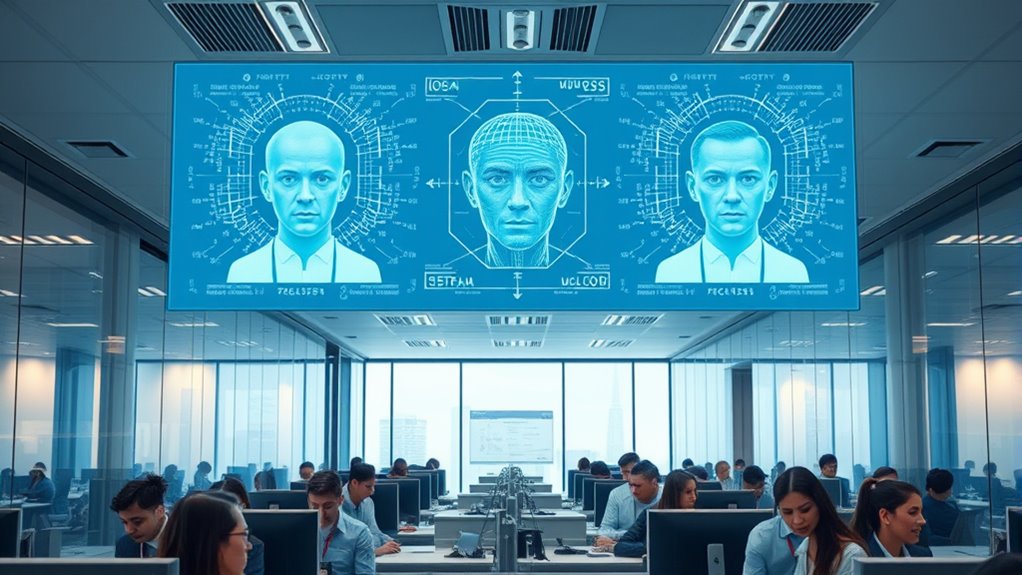
Have you ever wondered what it truly means to act ethically at work? With the rise of AI monitoring tools, this question becomes even more pressing. When employers deploy AI systems to track employee activities, it raises significant privacy concerns. You might find yourself wondering just how much of your personal space is being invaded when every email, keystroke, or web visit is scrutinized. These tools, while designed to boost productivity or security, often blur the lines between legitimate oversight and intrusive surveillance. As an employee, you’re faced with the challenge of trusting your employer to respect your privacy while also understanding the company’s need to guarantee accountability.
But privacy concerns are only part of the story. Transparency issues also come into play. When AI systems are used to monitor employees, it’s essential that organizations communicate clearly about what data is being collected, how it’s being used, and who has access to it. Unfortunately, many companies fall short here, often implementing monitoring tools without fully informing staff or providing adequate explanations. This lack of transparency can erode trust, making you feel like you’re under constant watch without understanding the reasons behind it. Ethical behavior in the workplace demands openness — you should know what’s being monitored and why, allowing you to feel secure rather than scrutinized.
Acting ethically in this context means balancing organizational needs with respect for individual rights. Companies should establish clear policies about AI monitoring, ensuring that surveillance practices are proportional, justified, and transparent. As an employee, you have the right to ask questions about what data is collected and how it’s used. Employers should also limit monitoring to work-related activities and avoid overreach that invades personal boundaries. Ethical monitoring involves not only protecting company interests but also respecting your dignity and autonomy.
Additionally, integrating AI in Education principles can guide organizations to develop more ethical monitoring practices that respect privacy and promote fairness across different workplace demographics. Furthermore, it’s essential for workplaces to implement safeguards that prevent misuse of data collected via AI. This includes restricting access to sensitive information, regularly reviewing monitoring practices, and providing avenues for employees to voice concerns or report abuses. When organizations are transparent and respectful, it fosters a culture of trust and mutual respect. You’re more likely to feel valued and motivated if you believe your privacy is respected and that monitoring is conducted ethically.
In short, acting ethically with AI surveillance involves more than just following legal guidelines. It requires an ongoing commitment to transparency, respecting privacy, and promoting fairness. As an employee, your awareness of these issues empowers you to advocate for ethical practices, ensuring that technology enhances rather than undermines your workplace experience.
As an affiliate, we earn on qualifying purchases.
Frequently Asked Questions
How Do Employees Feel About AI Monitoring Their Work?
You might feel uneasy about AI monitoring your work, especially if you sense a lack of surveillance transparency. Employees often worry about how AI impacts their trust, fearing constant surveillance could invade privacy or create pressure. Clear communication about how monitoring is used and ensuring it respects employee boundaries can help build trust. When you understand that AI is meant to support, not punish, your productivity, you may feel more comfortable with its presence.
What Legal Rights Protect Employees From AI Surveillance?
Did you know that 85% of employees feel uneasy about AI surveillance? Your legal rights are protected by employee rights and surveillance laws that limit employer monitoring. These laws make sure you can’t be unfairly watched or penalized without proper notice. They also require workplaces to be transparent about surveillance practices. Stay informed about these protections to defend your privacy and ensure your employer follows legal standards.
How Can Companies Ensure AI Fairness in Employee Monitoring?
You can guarantee AI fairness in employee monitoring by regularly auditing algorithms to identify and correct bias, addressing transparency concerns openly with your staff, and involving diverse teams in developing and reviewing AI systems. By prioritizing fairness, you reduce algorithm bias, foster trust, and promote ethical practices. Communicate clearly about how monitoring works and its purpose, so employees feel respected and informed, ultimately creating a fairer workplace environment.
What Are the Privacy Implications of Ai-Based Surveillance?
AI-based surveillance raises serious privacy implications, as it can intrude on your personal space and monitor sensitive data. You might worry about data security, fearing breaches or misuse of your information. Transparency concerns also arise, making it unclear how data is collected, stored, or used. To protect your privacy, you should demand clear policies, data security measures, and transparency from your employer regarding AI monitoring practices.
How Does AI Monitoring Impact Employee Productivity and Morale?
AI monitoring can boost your productivity by encouraging focus and accountability. However, it might also impact morale if you feel constantly watched, leading to stress or distrust. To balance this, workplaces should prioritize transparency about monitoring practices and involve employees in decisions. When you understand how AI is used and trust that it’s fair, your motivation and morale stay higher, fostering a healthier, more transparent work environment.
AI surveillance tools for workplace
As an affiliate, we earn on qualifying purchases.
As an affiliate, we earn on qualifying purchases.
Conclusion
Think of AI monitoring as a lighthouse guiding ships through foggy waters. It can keep you safe and on course, but if it blinks too brightly or shines too harshly, it might blind you or feel like an invasion. Remember, while technology can help navigate your workday, it’s up to you to verify it doesn’t overshadow your trust or privacy. Use AI as a guiding light, not a spotlight that dims your autonomy.
privacy compliant employee monitoring system
As an affiliate, we earn on qualifying purchases.
As an affiliate, we earn on qualifying purchases.
workplace transparency monitoring tools
As an affiliate, we earn on qualifying purchases.
As an affiliate, we earn on qualifying purchases.
Fall Picks
fall essentials
As an affiliate, we earn on qualifying purchases.