📊 Full opportunity report: Is Argentina Becoming A Bigger Focus In Global Trade News? on IdeaNavigator AI — validation score, market gap, and execution plan.

Get business pricing on tech for your team
- Business-only prices and quantity discounts
- Tax-exempt purchasing
- Multiple users, one account, clear invoices
TL;DR
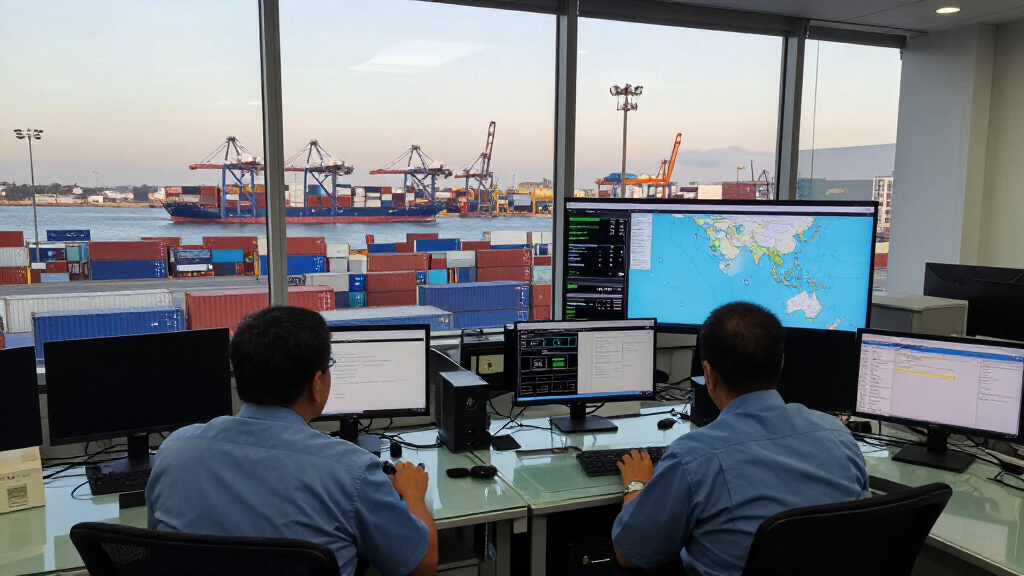
A monitoring brief from IdeaNavigator AI identifies increased global coverage of Argentina as a signal worth testing for supply-chain and trade operations teams. It does not identify a specific trade event, policy change, or measured business impact, so the proposed use is an early-warning workflow rather than evidence that Argentina’s trade importance has changed.
IdeaNavigator AI has flagged increased global coverage of Argentina as a potential signal for trade and supply-chain operations teams, proposing a focused monitoring pilot to turn relevant developments into short decision briefs. The available description does not identify a specific trade announcement or disruption, so the claim is about news attention—not a confirmed change in trade conditions.
The proposed monitor would watch GDELT and similar feeds for geopolitical and trade developments, then filter items for an operations lead managing supply-chain and trade exposure. Each brief would outline what changed, why it matters and what to do, rather than asking users to scan dispersed news, forums and filings themselves.
IdeaNavigator AI assigns the Argentina coverage signal a score of 88 out of 100. The description does not explain the scoring method, the period measured, the volume of coverage or the baseline used for comparison. The score should therefore be read as the monitor’s signal rating, not as a verified measure of how much coverage rose or of the scale of any trade impact.
The suggested validation is small and practical: deliver this brief and two additional geopolitical or trade items to five people in relevant operations roles, then track whether an item changes a decision or is forwarded to a colleague. A subscription is proposed as the business model, but there is no reported pilot result, customer commitment or evidence of willingness to pay.
Testing Trade Signals for Operations
For teams managing suppliers, shipping and trade exposure, the proposed value is faster, role-specific awareness. A stream of general headlines can be difficult to translate into actions such as checking supplier exposure, reviewing shipment plans or escalating a developing risk. A brief that connects a reported development to a particular operation could help teams decide whether follow-up is warranted.
That value depends on the monitor distinguishing meaningful developments from attention alone. More coverage of a country does not by itself show that tariffs, customs rules, export controls, transport routes or supplier conditions have changed. Without those links, a high signal rating may prompt a review but cannot establish that a company faces a new risk.
The proposed five-person test could provide an initial indication of usefulness if participants describe what they did and why. It would not, on its own, establish broad demand or prove that a paid service improves decisions. The distinction matters to readers considering operational tools: the idea is a workflow hypothesis to validate, not a reported outcome or an existing market-wide shift.
As an affiliate, we earn on qualifying purchases.
From Coverage Signal to Pilot
The proposal is framed around a common monitoring problem: trade and geopolitical information is spread across multiple channels, and general summaries may arrive too late or lack relevance to a specific role. Its suggested product narrows that flow to trade and supply-chain developments and provides a short explanation aimed at operations leads.
Argentina is the example used to test the approach. But the supplied description gives no underlying headlines, official notices, dates, trade data or named developments behind the signal. It does not say whether the increased coverage concerns policy, commodities, logistics, investment or another issue. The article’s confirmed development is therefore the proposal to monitor and test the signal, not a verified surge in a specified category of trade news.
The suggested pilot would put three briefs in front of five people who match the intended user profile during a week. The stated measures—whether a brief changes a decision or is shared—focus on immediate user response. No results from that test are included, and no product launch or subscription sales are reported.
As an affiliate, we earn on qualifying purchases.
What the Argentina Signal Shows
The available information does not establish what drove the reported increase in coverage, when it occurred, or how it was measured. The 88/100 score has no published methodology or comparison baseline in the description, so it cannot be interpreted as an 88% increase, a probability of disruption or a measure of economic impact.
There is also no specific trade or supply-chain change identified, such as a government measure, port interruption, new sourcing constraint or altered freight condition. No official, company or market statements are provided to confirm such a development. It remains unclear whether the signal corresponds to a sustained trend or a short-lived rise in attention.
The pilot is proposed, not reported as completed. There is no evidence yet about the monitor’s accuracy, how it would handle false alarms, whether operations users would act on its briefs, or whether they would pay for a subscription. Those questions require evidence from the test and details about the underlying coverage data.
As an affiliate, we earn on qualifying purchases.
Pilot Results and Signal Validation
The next proposed step is to share the Argentina brief and two additional trade or geopolitical items with five operations professionals during a week. The test would track whether a brief changes a decision or is passed to a colleague, offering an early measure of relevance to the intended users.
For the signal itself to support operational decisions, further reporting would need to identify the coverage period, comparison baseline and specific events behind the score. A useful follow-up would also show whether those events affect a relevant supplier, route, regulation or commodity, and whether the monitor can separate verified developments from commentary.
No launch date, pilot findings or commercial terms are given. Until those details emerge, the proposal should be treated as an experiment in trade-risk monitoring—not confirmation that Argentina has undergone a particular change in global trade or supply-chain conditions.
Source: IdeaNavigator AI
As an affiliate, we earn on qualifying purchases.
Key Questions
Has a specific trade event in Argentina been confirmed?
No. The proposal flags increased coverage but names no specific policy, logistics disruption or trade development.
What does the 88/100 score mean?
It is presented as a signal score. The scoring method, time period and comparison baseline are not provided, so it should not be read as an 88% increase or a measure of trade risk.
What would the proposed monitor do?
It would scan GDELT and similar feeds, filter geopolitical and trade items for operations teams, and produce briefs explaining what changed, why it may matter and what action could be considered.
Has the pilot shown that users want the service?
No results are reported. IdeaNavigator AI proposes testing three briefs with five relevant operations professionals and measuring whether the material changes a decision or is shared.
Source: IdeaNavigator AI
Halloween Picks
halloween
As an affiliate, we earn on qualifying purchases.