📊 Full opportunity report: Pre-Demo Condition Evaluations: Risks And Rewards For Pre-1980 Home Buyers on IdeaNavigator AI — validation score, market gap, and execution plan.
TL;DR
A new service offers pre-demo condition assessments for pre-1980 fixer homes, helping DIY buyers identify hidden risks before demolition. While promising, the approach is still being validated for accuracy and market acceptance.
A new approach to pre-demo evaluations for homes built before 1980 is emerging as a potential tool for DIY buyers. The service offers remote, guided assessments of wall contents and materials, aiming to identify hidden hazards and estimate renovation costs before demolition begins. This development could significantly impact how affordable fixer-upper homes are evaluated and purchased, especially as the aging housing stock makes pre-1980 homes the most common entry point for first-time buyers.
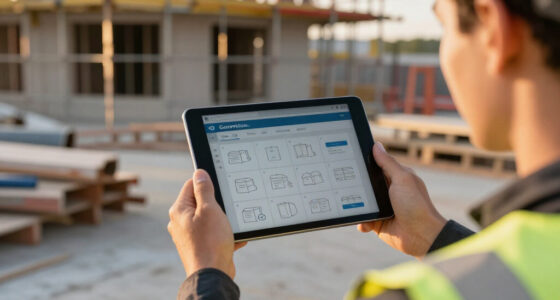
The concept involves a combination of guided phone scans of key home components—such as electrical panels, crawlspaces, and supply lines—paired with mail-in kits to test suspect materials like asbestos or cloth-wrapped wiring. The goal is to deliver a wall-by-wall report on likely contents and estimated opening costs before any demolition work starts. This process is designed to help buyers, particularly millennials renovating on weekends and savings, make more informed buy-or-walk decisions, reducing the risk of unexpected expenses.
According to sources familiar with the initiative, the service charges a fixed fee per house, with an additional upsell to contractor-matched remediation quotes if hazardous materials are identified. The pilot program aims to validate the accuracy of predictions by comparing initial assessments against actual conditions exposed during demo, and to gauge buyer willingness to refer the service based on its usefulness.
While the approach is still in early testing, it is seen as a promising way to mitigate common risks associated with older homes—such as asbestos, galvanized pipes, and outdated wiring—that often lead to costly surprises during renovation. The service leverages remote technology and mail-in testing kits, making it accessible for buyers who cannot be physically present or prefer a quick, initial evaluation.
Potential Impact on DIY Home Renovation Decisions
This new evaluation method could transform how DIY buyers approach pre-1980 fixer homes by providing early, reliable insights into hidden hazards and renovation costs. If validated, it may reduce the uncertainty and financial risk that often deters buyers from older homes, encouraging more affordable homeownership and renovation projects. The approach aligns with broader trends toward remote assessments and DIY-friendly tools in the housing market, potentially democratizing access to critical information.
asbestos testing kit for home renovation
As an affiliate, we earn on qualifying purchases.
As an affiliate, we earn on qualifying purchases.
Aging Housing Stock and the Rise of Pre-Demo Assessments
Most affordable starter homes in many markets now predate 1980, making them prime targets for renovation by first-time buyers. Traditionally, buyers relied on home inspections, which often uncover costly surprises only after demolition or extensive work has begun. These surprises—such as asbestos, outdated wiring, or corroded pipes—can lead to significant overruns, sometimes exceeding forty thousand dollars, and cause buyers to walk away or face financial strain.
Recent advances in remote scanning technology and mail-in testing kits have opened the door for pre-demo evaluations that can be conducted without on-site visits. Several startups are exploring this space, aiming to provide quick, inexpensive, and reliable assessments that help buyers decide whether to proceed with a purchase or walk away before committing significant funds.
This initiative comes amid increasing awareness of the risks associated with aging infrastructure and hazardous materials, and the need for better tools to manage renovation costs upfront. While traditional home inspections remain valuable, they often do not provide detailed insights into concealed hazards that only become apparent during demolition.
As an affiliate, we earn on qualifying purchases.
Validation and Market Acceptance of Pre-Demo Evaluations
It is not yet clear how accurately the remote assessments will predict actual conditions encountered during demolition, or how willing buyers and contractors will be to adopt this new approach. The pilot program is ongoing, and results are still being collected to determine reliability and market interest.As an affiliate, we earn on qualifying purchases.
Next Steps for Testing and Scaling the Evaluation Service
The pilot program plans to evaluate at least twenty homes, comparing initial predictions with actual findings during demo. Success will depend on the accuracy of predictions, cost-effectiveness, and buyer referrals. If results are favorable, the service could expand to larger markets and incorporate more comprehensive testing options, ultimately becoming a standard part of pre-purchase evaluations for older homes.
home demolition risk assessment kit
As an affiliate, we earn on qualifying purchases.
As an affiliate, we earn on qualifying purchases.
Key Questions
How reliable are remote pre-demo assessments compared to traditional inspections?
Reliability is still being tested through pilot programs. Initial goals are to match predictions with actual conditions during demolition, but definitive accuracy rates are not yet available.
What types of hazards can these assessments detect?
They aim to identify hazards such as asbestos, galvanized pipes, cloth-wrapped wiring, and other materials common in homes built before 1980.
How much does the service cost, and is it worth it?
The service charges a fixed fee per house, with potential upsells for remediation quotes. Cost-effectiveness will depend on the accuracy of predictions and the savings from avoiding surprises.
Will this service be available in all markets?
Initially, it is being tested in select markets. Broader availability will depend on pilot results and demand from buyers and contractors.
Can this approach replace traditional home inspections?
Not entirely; it is designed as a complementary tool to help buyers make more informed decisions before demolition or major renovation work begins.
Source: IdeaNavigator AI