
TL;DR

Get business pricing on tech for your team
- Business-only prices and quantity discounts
- Tax-exempt purchasing
- Multiple users, one account, clear invoices
GewerkTon has unveiled a three-minute film demonstrating its approach to using AI-generated 3D models for architecture and infrastructure projects. The film highlights how visualizing construction phases aids understanding and proof of work. The development emphasizes cross-trade applicability and innovative communication methods in construction.
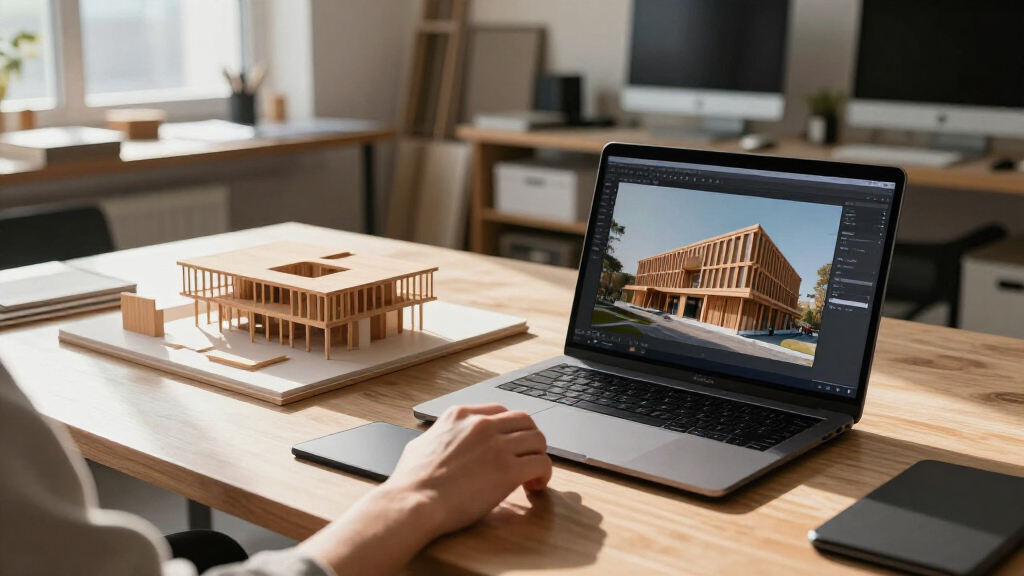
GewerkTon has launched a three-minute film that demonstrates its approach to using AI-generated 3D models to visualize a wide range of construction projects. The film showcases models of buildings and infrastructure, emphasizing how phases, layers, and renovations can be clearly communicated without relying on technical drawings. This development highlights GewerkTon’s focus on proof and clarity in construction documentation, which could influence industry practices and client communication.
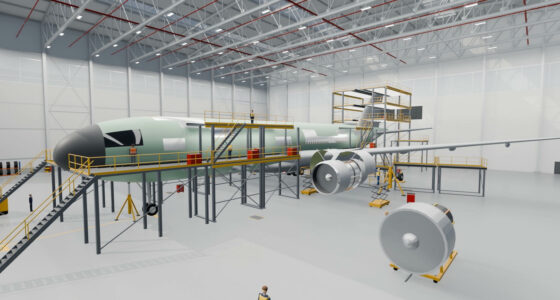
The film, titled “Where GewerkTon works,” features 64 sample buildings, all created as 3D models by GewerkTon. These models span diverse sectors, including residential, public, industrial, energy, water, and transport projects. The visuals depict construction phases—pit, shell, scaffolding, fit-out, and finished building—using consistent camera angles to make the process easily understandable. The models also illustrate renovations, with before-and-after views from the same perspective, and employ color coding—grey for existing structures, yellow for demolition, red for new additions—mirroring industry conventions.
The film avoids app screens or technical jargon, focusing instead on visual representations of models, plans, and phases. It aims to demonstrate how 3D visualization can make complex projects accessible to all stakeholders, from architects and contractors to clients and regulators. All images are rendered from fictional models, with projects and companies invented, emphasizing the method rather than specific real-world examples.
GewerkTon’s approach is rooted in the idea that visual clarity and proof of work are essential in construction, especially when communicating across trades and project stages. The film underscores the potential for AI-driven models to serve as checkable evidence on-site, supporting GewerkTon’s claim that “on site, only what’s proven counts.” The company states that 2026 is their beta year for this technology, signaling ongoing development and refinement.
Impact of AI-Driven 3D Models in Construction Communication
This development introduces a new method for visualizing construction processes, aiming to improve clarity and verification. By utilizing AI-generated models to depict phases, renovations, and layers, GewerkTon intends to facilitate better communication among stakeholders, reduce misunderstandings, and provide tangible proof of work. The approach aligns with ongoing trends in digital documentation and digital twins, potentially influencing future industry standards for transparency and project validation.
AI 3D modeling software for architecture
As an affiliate, we earn on qualifying purchases.
As an affiliate, we earn on qualifying purchases.
GewerkTon’s Use of AI in Construction Visualization
The company has been developing AI-based visualization tools, emphasizing that all models are fictional but demonstrate applicability across project types. The use of AI to generate detailed 3D models from plans allows for rapid, consistent, and checkable representations of construction phases. This approach responds to industry needs for clearer communication and proof of work, particularly in complex or large-scale projects. The film’s release indicates an effort to integrate AI-driven visualization into standard practices, with 2026 identified as a key year for further development and testing.
Traditionally, construction documentation has relied heavily on technical drawings and static images, which can be challenging for non-experts to interpret. GewerkTon’s method offers dynamic, layered views that aim to make understanding progress and changes more accessible. This aligns with broader digital transformation efforts in architecture and construction, where visual tools are increasingly used to bridge gaps between technical teams and stakeholders.
construction project visualization tools
As an affiliate, we earn on qualifying purchases.
As an affiliate, we earn on qualifying purchases.
Unconfirmed Aspects of AI Integration and Industry Adoption
It remains to be seen how widely GewerkTon’s approach will be adopted within the industry or how it will integrate with existing digital tools. The film features fictional projects, and real-world applications, including client acceptance, regulatory approval, and interoperability with other platforms, are yet to be demonstrated. While the company has indicated 2026 as a beta year, the timeline for broader deployment and industry standardization is uncertain.
As an affiliate, we earn on qualifying purchases.
Next Steps for GewerkTon’s Visualization Technology
GewerkTon plans to continue refining its AI-generated models and expand testing in real projects throughout 2024 and 2025. The company is expected to release updates, gather feedback from industry partners, and demonstrate practical applications in live projects. The focus will be on validating proof of work, enhancing user interfaces, and ensuring compatibility with industry standards. The ultimate aim is to integrate this visualization approach into routine construction workflows and documentation processes.
construction proof of work verification tools
As an affiliate, we earn on qualifying purchases.
As an affiliate, we earn on qualifying purchases.
Key Questions
How does GewerkTon’s AI model improve construction communication?
It provides visual representations of construction phases, renovations, and layers, which can make complex processes easier to understand and verify on-site or during planning.
Are these models based on real projects?
No, all models and projects shown are fictional and created solely to demonstrate the method’s capabilities and potential applications.
When will GewerkTon’s technology be available for commercial use?
The company states that 2026 will be their beta year, with ongoing development and testing expected to continue through 2024 and 2025.
Can this approach be integrated with existing construction software?
Details regarding integration are not yet publicly available. The company aims for compatibility, but specific plans have not been disclosed.
What are the main advantages of using AI-generated models?
They enable rapid, consistent, and checkable visualizations across project types, which can improve clarity, proof of work, and stakeholder communication.
Source: Thorsten Meyer AI
Halloween Picks
halloween
As an affiliate, we earn on qualifying purchases.