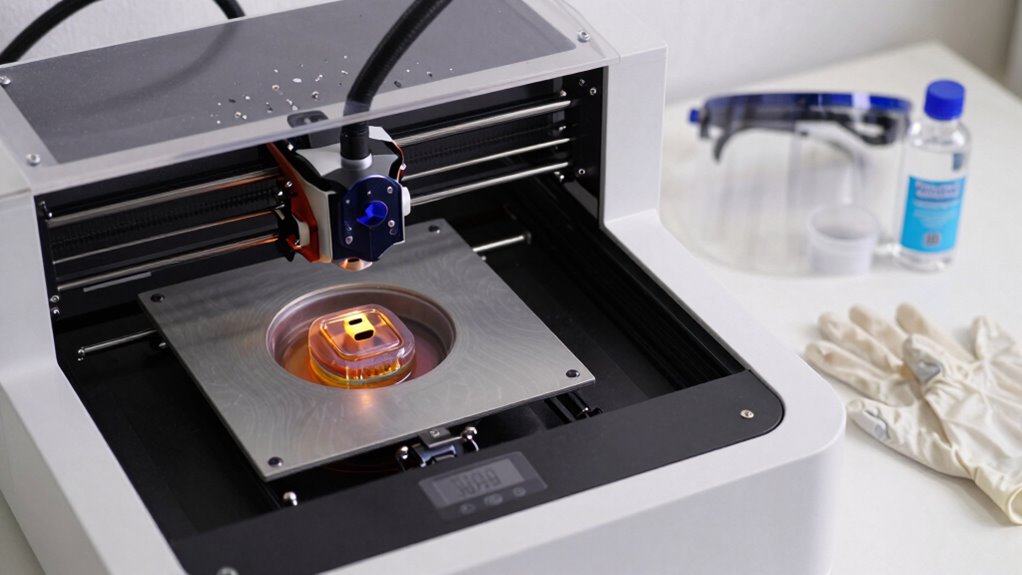

When buying a resin 3D printer, you need to prioritize safety by setting up a well-ventilated workspace, wearing proper PPE like gloves and masks, and handling chemicals carefully to avoid skin contact and fumes. Keep everything organized and clean, store resins properly, and be prepared to quickly manage spills or accidents. Staying informed about chemical hazards and disposal methods helps protect your health and environment—if you keep these tips in mind, you’ll master safe resin printing practices.
Key Takeaways
- Always handle resin with gloves and masks to prevent skin contact and inhalation of harmful fumes.
- Ensure your workspace is well-ventilated and organized to minimize exposure to toxic vapors and spills.
- Regularly clean surfaces with isopropyl alcohol and store resins in sealed containers to prevent accidental contact.
- Use proper PPE, including safety glasses and respirators, during printing, curing, and resin disposal.
- Follow local disposal regulations by containing waste and never pouring resin down drains to protect the environment.

phrozen Professional 3D Printing Glove, Anti-Slip Fingertips Design, Powder Free, No Latex, High Elasticity Disposable Glove Size L (Pack of 100)
- Disposable Design: Prevents model contamination
- High Elasticity: Stretchy and comfortable fit
- Anti-Slip Fingertips: Enhanced grip and touchscreen compatibility
As an affiliate, we earn on qualifying purchases.
As an affiliate, we earn on qualifying purchases.
Why Safety Matters in Resin 3D Printing
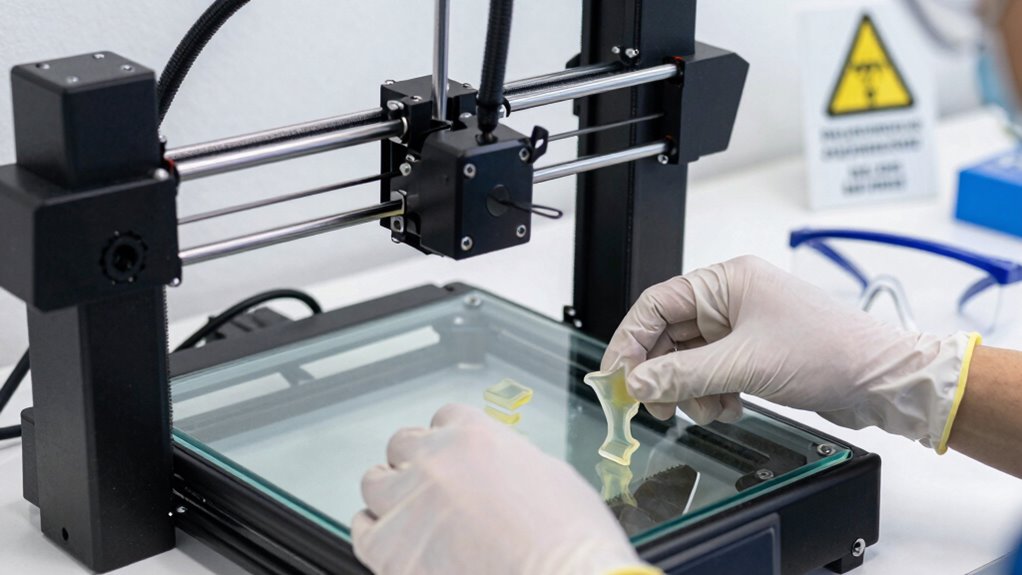
Although resin 3D printing offers incredible precision and detailed results, it also involves handling chemicals that can pose health risks if not managed properly. Safety is essential because resin fumes and skin contact can cause irritation or health issues. You’ll need to pay attention to resin color, as darker shades may emit different fumes or require specific handling. Proper printer calibration is critical to guarantee the resin cures correctly, reducing waste and exposure to uncured material. Miscalibration can lead to overexposure or incomplete curing, increasing risk. Additionally, understanding resin color considerations can help optimize safety and print quality. For example, some resin colors might require different curing times or ventilation precautions, which underscores the importance of understanding material properties in resin printing. Staying informed about chemical safety protocols helps ensure you maintain a safe workspace while achieving the best results from your resin printer. Regularly checking health and safety guidelines is vital for adapting your practices to evolving safety standards and protecting yourself during long-term use. It’s also beneficial to be aware of piercing care and hygiene practices to prevent potential health issues related to chemical exposure or contamination.

Multifunctional 3D Printer Enclosure Ventilation Eliminate Odors Tent Cover
- UV Block Window: Protects resin from UV rays
- Ventilation System: Extracts smoke and fumes
- Fire-Resistant Fabric: Ensures safety during operation
As an affiliate, we earn on qualifying purchases.
As an affiliate, we earn on qualifying purchases.
Understanding Chemical Hazards in Resin Printing
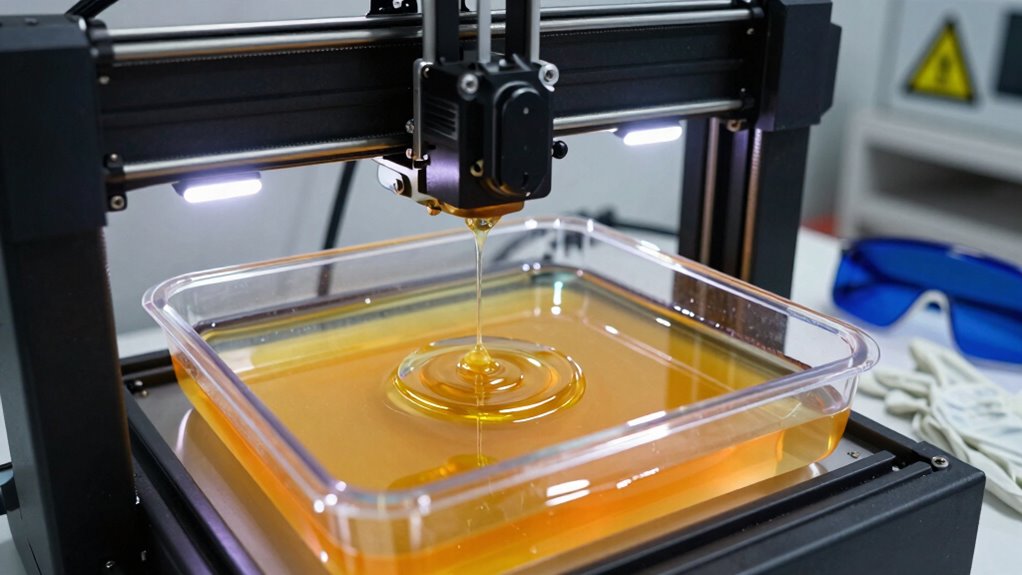
You need to understand that resin components can be toxic and pose health risks if mishandled. Proper ventilation is essential to reduce inhalation of harmful fumes during printing. By staying aware of these hazards, you can protect yourself and create a safer workspace. Additionally, minimizing exposure to microplastics in dust can help prevent respiratory issues and long-term health effects. Being mindful of color accuracy in your workspace can also improve your overall safety by ensuring proper lighting and reducing eye strain. Maintaining awareness of chemical safety protocols is crucial for preventing accidental exposure and ensuring safe handling of resin materials. Implementing proper storage techniques can further reduce the risk of spills and contamination.
Toxicity of Resin Components
Have you ever wondered about the chemical risks involved in resin printing? Resin ingredients can contain hazardous substances that pose health risks if mishandled. Many resins release toxic compounds during curing or when broken down, making chemical reactions potentially dangerous. Some ingredients, like acrylates and photoinitiators, can cause skin irritation or allergic reactions. Inhalation of fumes or vapors can lead to respiratory issues, especially with prolonged exposure. It’s essential to understand that even inert-looking resins can become hazardous through chemical reactions, releasing harmful byproducts. Always handle resin components with gloves and avoid skin contact. Recognizing chemical hazards associated with resin components helps you minimize exposure and protect your health, ensuring safer and more responsible resin printing practices.
Proper Ventilation Importance
Proper ventilation plays a crucial role in minimizing health risks during resin printing by dispersing harmful fumes and vapors. Without good airflow, these volatile compounds can accumulate, impacting your air quality and potentially causing health issues. To guarantee safety, invest in effective ventilation systems that remove fumes at the source. Envision this:
- An exhaust fan pulling fumes out through a duct, preventing buildup.
- An air purifier filtering airborne particles and vapors continuously.
- Open windows or vents creating a cross-breeze to circulate fresh air.
These measures keep your workspace safe, protecting you from inhaling hazardous fumes. Proper ventilation systems are essential to maintain a safe environment, especially when working with chemical-based resins. Additionally, choosing appropriate filtration can significantly reduce exposure to toxic substances. Ensuring airflow management effectively directs fumes away from breathing zones is also key. Good air circulation helps prevent the accumulation of fumes in stagnant areas, further enhancing safety. Incorporating proper setup techniques can improve overall ventilation efficiency and safety. Prioritizing proper ventilation not only improves air quality but also ensures a healthier environment for your resin printing projects.

AirGearPro G-500 Reusable Respirator Mask with A1P2 Filters | Anti-Dust Mask Ideal for Painting, Woodworking, Construction, Sanding, Spraying, Chemicals, DIY etc
- Protection Certification: CE certified for safety during various tasks
- Dual Filtration System: Filters vapours and particles with A1P2 filters
- High Particle Filtration: Filters at least 98% of airborne particles
As an affiliate, we earn on qualifying purchases.
As an affiliate, we earn on qualifying purchases.
Setting Up a Safe Workspace for Resin Printing
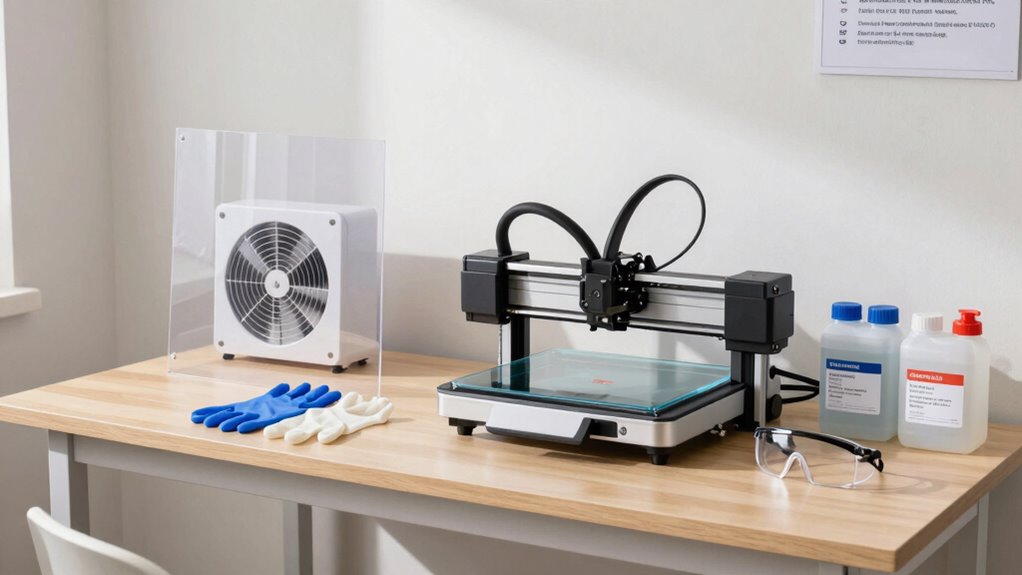
Creating a safe workspace for resin printing is essential to protect yourself and minimize hazards. Start by choosing a well-ventilated area with plenty of space to avoid clutter. Use a sturdy, flat surface that can withstand spills and is easy to clean. Keep your resin formulation and printing technology tools organized to prevent accidental contact. Cover your workspace with a dedicated shield or plastic sheeting to contain any splashes or fumes. Make certain your lighting is sufficient but not direct to avoid glare. Keep gloves, masks, and safety glasses nearby, even if not directly handling resin. Properly set up your workspace to reduce exposure to harmful vapors and spills, creating a safer environment that supports efficient printing and easy cleanup. Additionally, understanding regional flavors and chicory/coffee insights can inspire a more enjoyable and mindful approach to workspace aesthetics and ambiance. Ensuring proper ventilation is crucial as it helps disperse potentially harmful fumes and maintains a healthier environment. Incorporating safety protocols such as regular ventilation checks can further enhance your workspace safety. It’s also beneficial to familiarize yourself with shipwreck preservation techniques, which emphasize careful handling and environmental awareness in delicate situations.

FUITNERD Filament Storage Box – 4 Pack 4L 3D Printer Filament Containers with 4 Hygrometers, Airtight Dry Boxes for Sealing and Protection, Water-Proof & Dust-Proof, Reusable Desiccant, Tube Cutter
- Complete Filament Storage Set: Includes 4 boxes, hygrometers, desiccants, labels, marker, and cutter
- Airtight, Moisture-Proof Seal: Thick silicone gasket and secure latches ensure airtight storage
- Flexible Hygrometer Placement: Hygrometers can be mounted anywhere inside the box
As an affiliate, we earn on qualifying purchases.
As an affiliate, we earn on qualifying purchases.
How to Handle Resin Safely and Minimize Exposure
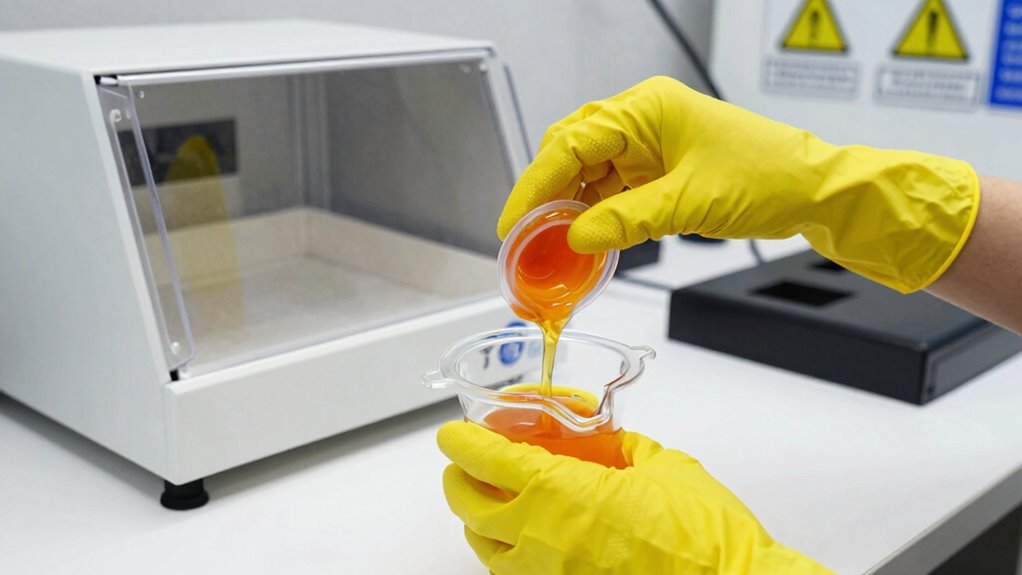
Handling resin safely is essential to prevent skin contact, inhalation of fumes, and other health risks. To do this effectively, follow these steps:
- Work in a well-ventilated area to avoid inhaling fumes during resin curing or printer calibration.
- Use a spatula or scoop to transfer resin, keeping spills contained and minimizing skin exposure.
- Clean spills immediately with paper towels and dispose of waste properly to prevent accidental contact or fumes buildup.
- Be aware of halal safety standards that emphasize the importance of using safe materials and practices to protect health and maintain religious compliance.
Always handle resin with care, especially when adjusting your printer calibration or curing printed parts. Proper handling reduces health risks and ensures safer resin printing. Remember, safe handling habits protect you and prolong your printer’s lifespan.
PPE You Need for Resin Printing Safety
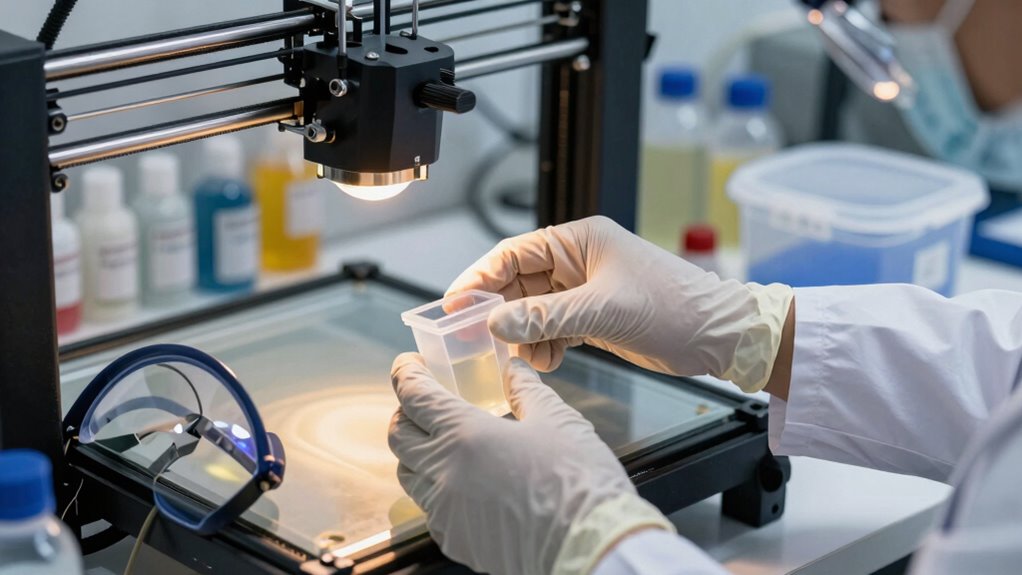
Wearing the right personal protective equipment (PPE) is essential to safeguard yourself during resin printing. Protective gloves shield your skin from harmful chemicals, preventing irritation and absorption. Respirator masks protect your lungs from toxic fumes and vapors released during curing. Proper PPE usage can also reduce the risk of chemical exposure and ensure a safer working environment. For added safety, understanding the specialized needs of resin handling can help prevent accidents and health issues. Regularly inspecting your PPE for contamination and damage is crucial to maintain its effectiveness. Paying attention to water chemistry and ventilation can further enhance safety measures during your resin printing process. Here’s a quick visual:
| PPE Type | Purpose |
|---|---|
| Protective gloves | Prevent skin contact with resin |
| Respirator masks | Filter harmful fumes from inhalation |
Proper Resin Disposal and Storage Tips
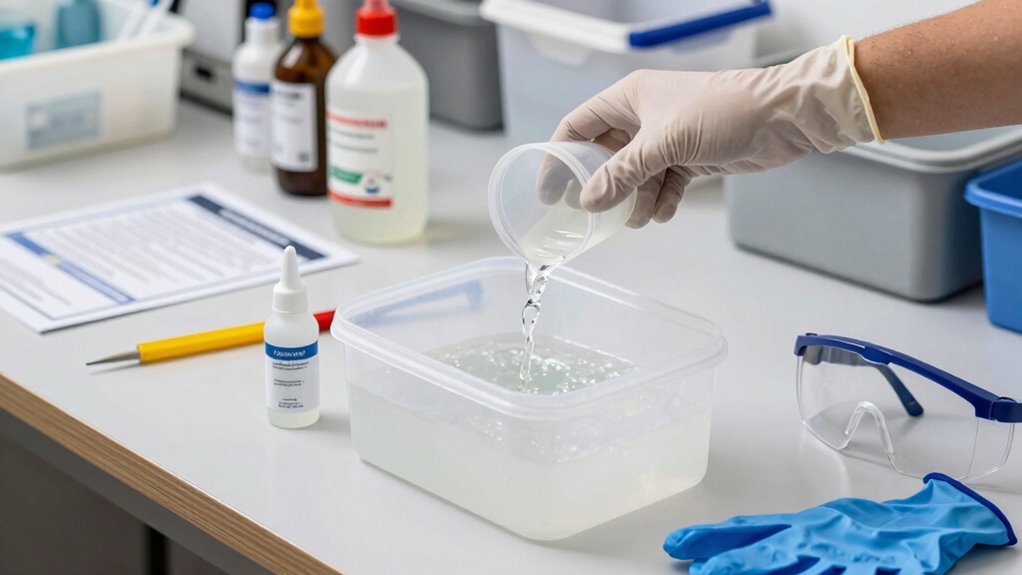
Proper resin disposal and storage are essential for maintaining a safe and environmentally responsible workspace. To do this effectively, follow these steps:
- Use dedicated storage containers to keep leftover resin sealed tightly, preventing spills and fumes.
- Engage in resin recycling by collecting used resin in appropriate containers for proper disposal or reuse, reducing waste.
- Label all containers clearly to avoid confusion, and store them in well-ventilated areas away from heat or direct sunlight.
- Always handle resins with appropriate safety equipment, such as gloves and masks, to minimize exposure and ensure a safer working environment.
What to Do in Resin Spills and Accidents

If you spill resin, act quickly to contain and clean it up using gloves and appropriate materials. Make sure to dispose of waste properly according to safety guidelines to prevent contamination. Knowing the right procedures helps keep your workspace safe and minimizes health risks.
Immediate Spill Cleanup Procedures
When resin spills occur, quick and careful action is essential to minimize health risks and environmental impact. To contain surface contamination and ensure proper equipment maintenance, follow these steps:
- Put on gloves and a mask to protect yourself from fumes and skin contact.
- Use absorbent materials like paper towels or spill pads to carefully soak up the resin, avoiding spreading it further.
- Clean the affected area with isopropyl alcohol to remove residual resin and prevent surface contamination.
Avoid rushing; work slowly to prevent splashing. Proper cleanup reduces health hazards and keeps your equipment in top shape. Always dispose of contaminated materials safely and ventilate the area to ensure fumes don’t linger. Quick, precise actions are key to safe, effective spill management.
Proper Waste Disposal Methods
Handling waste from resin spills and accidents requires careful disposal to prevent health hazards and environmental contamination. Proper waste management minimizes environmental impact and supports recycling techniques. Always wear gloves and goggles during disposal. Resin waste should be contained in sealed, labeled containers and disposed of according to local regulations. Never pour resin down drains or onto the ground. To make disposal easier, consider recycling techniques like curing leftover resin for reuse or solid waste segregation. Proper disposal also involves cleaning tools and surfaces thoroughly to prevent future spills. Here’s a quick guide:
| Step | Details |
|---|---|
| Contain and Label | Store waste in sealed, clearly labeled containers |
| Follow Regulations | Adhere to local disposal rules and environmental guidelines |
| Recycle or Dispose | Use recycling techniques or dispose of waste responsibly |
Tips for Maintaining a Clean and Safe Resin Printing Environment
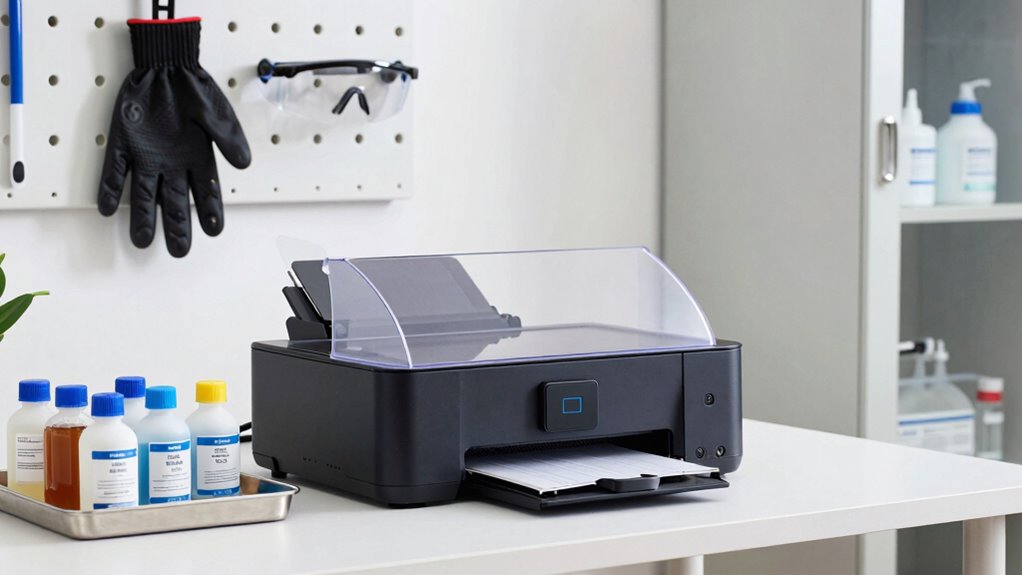
Maintaining a clean and safe resin printing environment is essential to prevent health hazards and guarantee peak print quality. A tidy workspace also supports your creative techniques in resin art. To keep things safe and efficient, focus on three key areas:
- Regularly wipe down surfaces with isopropyl alcohol to remove resin spills and dust, preventing contamination.
- Store resin and cleaning tools in sealed containers to avoid accidental spills and fumes.
- Ventilate your workspace well, using exhaust fans or open windows, to disperse fumes and maintain air quality.
Frequently Asked Questions
Are Resin Fumes Harmful to Breathe in Over Long Periods?
Yes, resin fumes can be harmful to breathe in over long periods due to resin toxicity. Prolonged exposure may cause respiratory issues and skin irritation. To stay safe, you should use fume mitigation techniques like proper ventilation and exhaust systems. Always wear protective gear, such as masks and gloves, when handling resin. Minimizing exposure helps protect your health and guarantees a safer, more enjoyable resin printing experience.
Can Children Safely Operate or Be Around Resin Printers?
Of course, children can safely operate resin printers—if you believe in fairy tales. In reality, you should never let kids operate or be around resin printers unsupervised. Constant child supervision is essential to prevent accidental exposure to resin fumes and chemicals. Proper resin disposal is also vital, as improper handling can pose health risks. Always keep the printer in a secure, well-ventilated area, away from little hands and curious minds.
What Are the Signs of Resin Skin Irritation or Allergic Reactions?
If you notice redness, itching, or a rash after handling resin, it could be a sign of resin allergy or skin sensitivity. You might also experience swelling, blistering, or persistent irritation. These symptoms indicate your skin is reacting negatively. To prevent worsening, wash the area thoroughly with soap and water, and avoid further contact. Consider consulting a healthcare professional if symptoms persist or worsen, especially with suspected resin allergy.
How Often Should Safety Equipment Be Inspected or Replaced?
You should inspect your safety equipment regularly, ideally monthly, to guarantee proper calibration and effectiveness. Replace any worn or damaged gear immediately. Proper storage safety is essential—keep gloves, masks, and cleaning supplies in a cool, dry place away from UV light and chemicals. Regular checks help prevent accidents, protect your skin and eyes, and assure your safety equipment performs well when you need it most.
Is It Safe to Leave Resin Printers Unattended During Operation?
It’s not safe to leave resin printers unattended during operation because resin fumes can pose health risks if ventilation requirements aren’t met. Always monitor your printer closely, especially during curing, and guarantee proper resin disposal afterward. Good ventilation helps remove harmful vapors, reducing exposure. Never leave a resin printer running unsupervised, and follow safety guidelines to protect yourself and maintain a safe workspace.
Conclusion
So, now that you’re practically a resin printing safety guru, go forth and conquer your projects with reckless abandon—just kidding! Remember, safety isn’t just a buzzword; it’s your best friend in the workshop. Treat those chemicals like royalty, keep your workspace spotless, and wear your PPE like armor. Because nothing says “I’m a responsible maker” like avoiding a trip to the ER—after all, your future self will thank you for playing it safe!