TL;DR
The Roomba, initially a simple robot vacuum, evolved into a beloved household device and a catalyst for the broader robot industry. Its success changed perceptions of household robots and spurred market growth.
The Roomba, once a basic robotic vacuum, became the first widely adopted household robot, sparking a revolution in consumer robotics and transforming how people view automated home cleaning.
The Roomba was developed over nearly a decade by iRobot, beginning in the late 1990s, as part of a broader effort to create practical household robots. Initially, the device was a simple, bump-and-go vacuum that lacked advanced navigation or intelligence. Despite early setbacks and near failure, the product eventually gained popularity due to its affordability and convenience, resonating with consumers who appreciated its personality and ease of use. Its success helped establish the market for consumer robotics, inspiring a wave of competitors and technological innovations. However, iRobot faced challenges in keeping up with rapid technological changes and market demands, leading to questions about the future of the brand and industry.
The Roomba’s Role in Shaping Consumer Robotics
The success of the Roomba marked a turning point in household automation, demonstrating that consumers were willing to adopt robotic devices for everyday tasks. It helped normalize the idea of robots as friendly, useful household helpers and spurred further innovation in the field. The market growth driven by Roomba’s popularity encouraged other companies to develop similar products, accelerating the broader robot industry. This shift has implications for future automation in homes, workplaces, and public spaces, influencing how society integrates robotics into daily life.

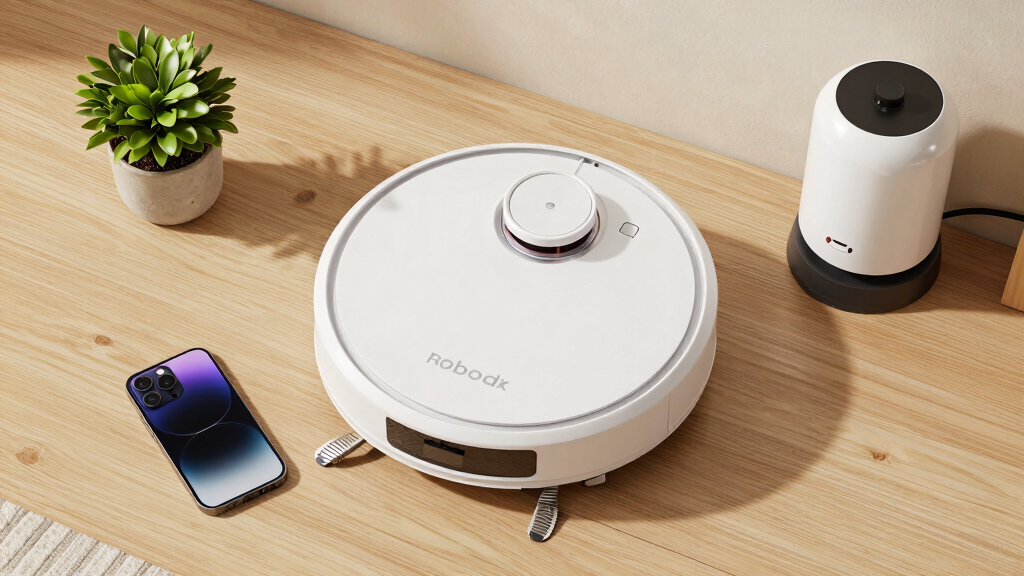
Robot Vacuum and Mop Combo, 90-Day Self Emptying, 10000Pa Strong Suction, dToF Laser Navigation Smart Mapping, 160Min Runtime, Anti-Tangle Robotic Vacuum Cleaner for Hard Floor, Pet Hair, Carpet
- Self-Emptying Dustbin: 90-day, 3.5L capacity for hands-free cleaning
- Strong Suction Power: 10,000Pa for thorough debris removal
- Multiple Suction Modes: Power, Standard, Quiet with auto boost
As an affiliate, we earn on qualifying purchases.
As an affiliate, we earn on qualifying purchases.
Origins and Market Impact of the Roomba
The development of the Roomba began in the late 1990s, with iRobot aiming to create a practical robot for home use. After nearly a decade of engineering challenges and product iterations, the first models launched in 2002. The initial reception was modest, but word-of-mouth and the device’s personality helped it gain popularity. By the mid-2000s, Roomba had become a household name, establishing a new category of consumer robotics. Its success prompted competitors and led to a surge in robotic home appliances, transforming industry expectations and investment in robotics technology. Despite this, iRobot struggled to innovate rapidly enough to maintain its market lead, facing increased competition and technological shifts.
“The Roomba was more than a vacuum; it was a symbol that robots could be friendly and useful in everyday life.”
— an anonymous researcher
Robot Vacuum and Mop Combo, 90-Day Self Emptying, 10000Pa Strong Suction, dToF Laser Navigation Smart Mapping, 160Min Runtime, Anti-Tangle Robotic Vacuum Cleaner for Hard Floor, Pet Hair, Carpet
- Self-Emptying Dustbin: 90-day, 3.5L capacity for hands-free cleaning
- Strong Suction Power: 10,000Pa for thorough debris removal
- Multiple Suction Modes: Power, Standard, Quiet with auto boost
As an affiliate, we earn on qualifying purchases.
As an affiliate, we earn on qualifying purchases.
Uncertain Future of the Roomba Brand and Industry
It remains unclear how iRobot will adapt to rapid technological advancements and increasing competition. The company’s future strategies and the broader impact of emerging robot technologies are still developing, with questions about sustained market leadership and innovation remaining open.

Shark AV2501S AI Ultra Robot Vacuum, with Matrix Clean, Home Mapping, 30-Day Capacity HEPA Bagless Self Empty Base, Perfect for Pet Hair, Wifi, Dark Grey
- Powerful Suction: Removes dirt from all floor types
- Matrix Clean Navigation: Ensures thorough, grid-based cleaning
- Self-Emptying Base: Holds 30 days of debris automatically
As an affiliate, we earn on qualifying purchases.
As an affiliate, we earn on qualifying purchases.
Next Steps for Robotic Home Cleaning Technologies
iRobot and other companies are expected to continue advancing robotic navigation, AI integration, and user interaction. Future models may feature smarter, more autonomous devices that can handle complex tasks, but industry leaders must innovate quickly to maintain relevance amid rising competition and evolving consumer expectations.
Shark AV2501S AI Ultra Robot Vacuum, with Matrix Clean, Home Mapping, 30-Day Capacity HEPA Bagless Self Empty Base, Perfect for Pet Hair, Wifi, Dark Grey
- Powerful Suction: Removes dirt from all floor types
- Matrix Clean Navigation: Ensures thorough, grid-based cleaning
- Self-Emptying Base: Holds 30 days of debris automatically
As an affiliate, we earn on qualifying purchases.
As an affiliate, we earn on qualifying purchases.
Key Questions
How did the Roomba change the home appliance industry?
It established a new category of consumer robotics, demonstrating that household robots could be practical, popular, and commercially successful, inspiring industry growth and innovation.
What were the main challenges in developing the original Roomba?
Developers faced engineering hurdles related to navigation, battery life, and affordability, with early prototypes struggling to meet consumer expectations before achieving commercial success.
Will the Roomba continue to lead in robot vacuum technology?
The future depends on iRobot’s ability to innovate and adapt to new technologies and competitors. The market is becoming more competitive, with smarter and more capable devices emerging.
How has consumer perception of robots changed since the Roomba’s launch?
Consumers have become more accepting of robots as helpful household members, viewing them as friendly and reliable, which has influenced the development of more advanced home robots.
Source: The Verge