Automation is transforming trucking by introducing self-driving vehicles that can operate without human drivers. As autonomous trucks improve, they threaten traditional driving jobs by reducing the need for manual labor and increasing efficiency. While this shift offers benefits, it also means drivers must adapt to new roles focused on overseeing technology and maintenance. To understand how these changes could affect your career and what skills you’ll need to stay ahead, explore the future of autonomous trucking.

Get business pricing on tech for your team
- Business-only prices and quantity discounts
- Tax-exempt purchasing
- Multiple users, one account, clear invoices
Key Takeaways
- Automation reduces the demand for long-haul truck drivers by replacing manual driving with autonomous systems.
- Increased reliance on robotic trucks may lead to job displacement and reduced employment opportunities in the trucking industry.
- Drivers’ roles shift toward vehicle maintenance, system monitoring, and troubleshooting, requiring new technical skills.
- Smaller trucking firms may struggle to afford autonomous technology, impacting industry employment stability.
- The transition to automation raises concerns about job security, especially for drivers lacking advanced technical training.
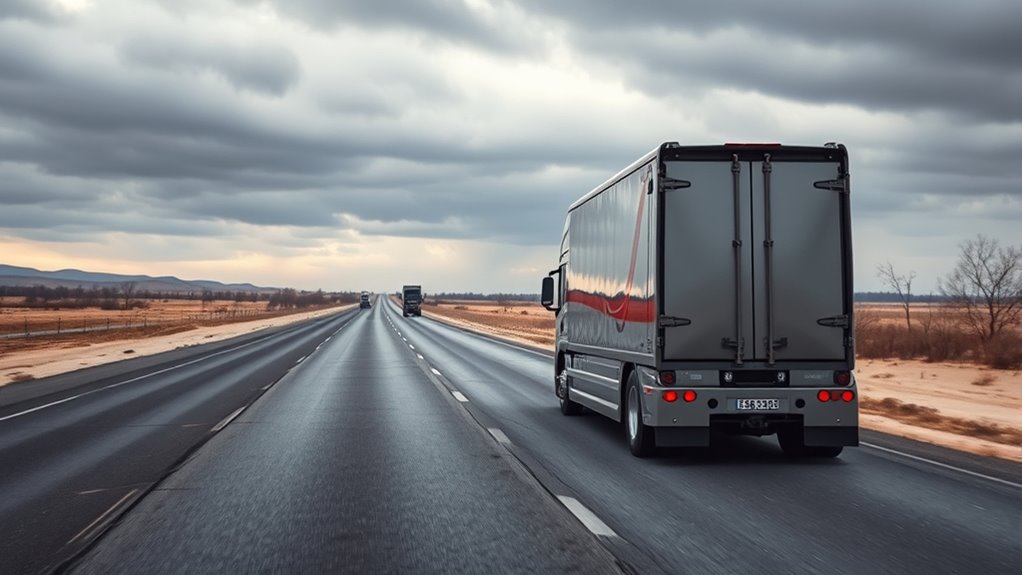
Have you noticed how robots are increasingly sharing the roads with human drivers? As autonomous trucks become more common, it’s clear that automation is transforming the trucking industry. These self-driving vehicles rely heavily on sophisticated sensors, cameras, and onboard computers, which demand rigorous vehicle maintenance to keep them operating smoothly. Regular checks of sensors and software updates become essential to guarantee safety and efficiency. This shift means that the traditional role of truck drivers is evolving, but it also highlights the importance of driver training, especially when it comes to interacting with and overseeing these automated systems. You’ll find that understanding how to manage vehicle maintenance and operate in tandem with robotic technology is now a critical part of being a professional driver.
In the past, driver training focused mostly on how to handle a vehicle manually and navigate various road conditions. Now, it involves learning how to work alongside automation systems, troubleshooting malfunctions, and understanding the vehicle’s digital interface. Proper training helps drivers recognize when to take control if the system encounters an issue, preventing accidents and ensuring smooth operations. As automation advances, you’ll need to stay updated on the latest technological features and maintenance protocols, which means ongoing education becomes part of your career. This also involves knowing how to perform basic vehicle maintenance tasks, such as checking tire pressure, inspecting brakes, and ensuring the integrity of sensors and cameras. While some of these tasks are increasingly handled by automated diagnostics, your ability to perform them quickly and correctly remains crucial. Additionally, a solid understanding of philosophical insights on ethics and safety can help drivers make better decisions in complex situations.
The integration of robots on the road is not only changing the nature of truck driving but also emphasizing the importance of proactive vehicle maintenance. Automated trucks depend on complex hardware and software that require regular inspection and maintenance to prevent breakdowns. If you neglect these aspects, you risk costly downtime and safety hazards. Driver training now extends beyond traditional driving skills; it encompasses understanding the maintenance needs of high-tech vehicles and how to keep autonomous systems functioning properly. This layered approach ensures that drivers can maintain safety standards, troubleshoot issues, and work effectively with robotic systems. As a result, those who adapt quickly and stay informed about vehicle maintenance and automation technologies will have a competitive edge in this new era of road transportation.
autonomous truck sensor maintenance kit
As an affiliate, we earn on qualifying purchases.
As an affiliate, we earn on qualifying purchases.
Frequently Asked Questions
How Soon Will Autonomous Trucks Replace Human Drivers?
Autonomous trucks could replace human drivers within the next decade, but it depends on overcoming regulatory challenges. You’ll need to see changes in driver training programs and safety standards before fully trusting these vehicles on the road. While technology advances quickly, lawmakers and industry leaders must work together to guarantee regulations keep pace, making the shift smoother and safer for everyone involved.
What Safety Measures Are in Place for Robotic Truck Operation?
You might worry about safety, but robotic trucks have strict safety protocols and technical redundancies in place. These measures include advanced sensors, real-time monitoring systems, and automatic emergency braking to prevent accidents. Plus, redundant systems guarantee that if one component fails, another takes over seamlessly. This layered approach helps keep everyone safe on the road, making autonomous trucks a reliable and secure option for freight transportation.
Will Truck Driver Jobs Completely Disappear or Just Change?
Your truck driver job will likely change rather than disappear completely. As automation advances, you’ll need to focus on driver training to adapt to new technologies and safety protocols. Insurance policies may also evolve, emphasizing the importance of human oversight. By staying flexible and updating your skills, you can continue to play a crucial role in trucking, even as automation takes on more routine tasks.
How Will Automation Impact Freight Costs and Delivery Times?
Automation will likely lower freight costs and improve delivery times, but not uniformly. You’ll see faster deliveries thanks to streamlined routes and 24/7 operations, reducing delays. However, initial investments in automation might increase short-term costs. As supply chains become more efficient with improved fuel efficiency, you’ll benefit from reduced expenses and quicker service, though some regions or sectors may face disparities. Overall, automation reshapes logistics, balancing costs and speed.
What Industries Are Most Affected by Trucking Automation?
You’ll find the transportation, logistics, and manufacturing industries are most affected by trucking automation. These sectors face regulatory challenges as laws adapt to new technology, and they also grapple with environmental impacts from increased vehicle efficiency and emissions regulations. Automation’s influence accelerates supply chain efficiency but requires you to stay informed about evolving policies and sustainability efforts, which substantially shape how these industries integrate autonomous trucking.
As an affiliate, we earn on qualifying purchases.
Conclusion
As you imagine the endless highway stretching ahead, filled with sleek, self-driving trucks gliding smoothly under the sun, it’s clear that automation is transforming the road. While these robots promise efficiency and safety, they also cast shadows over the lives of truckers relying on miles of asphalt for their livelihood. As the future unfolds, you’ll want to contemplate how these machines change not just the landscape, but the people behind the wheel, too.
vehicle diagnostic tools for trucks
As an affiliate, we earn on qualifying purchases.
As an affiliate, we earn on qualifying purchases.
truck camera and sensor cleaning tools
As an affiliate, we earn on qualifying purchases.
As an affiliate, we earn on qualifying purchases.
Fall Picks
fall essentials
As an affiliate, we earn on qualifying purchases.