
📊 Full opportunity report: Working With The American Psychological Association On Youth Mental Health And AI on ThorstenMeyerAI.com — validation score, market gap, and execution plan.

Get business pricing on tech for your team
- Business-only prices and quantity discounts
- Tax-exempt purchasing
- Multiple users, one account, clear invoices
TL;DR
OpenAI and the American Psychological Association have announced a collaboration focused on responsible AI and youth mental health. The partnership aims to develop safeguards and tools for teenagers, but specific plans, funding, and evaluation methods remain undisclosed.
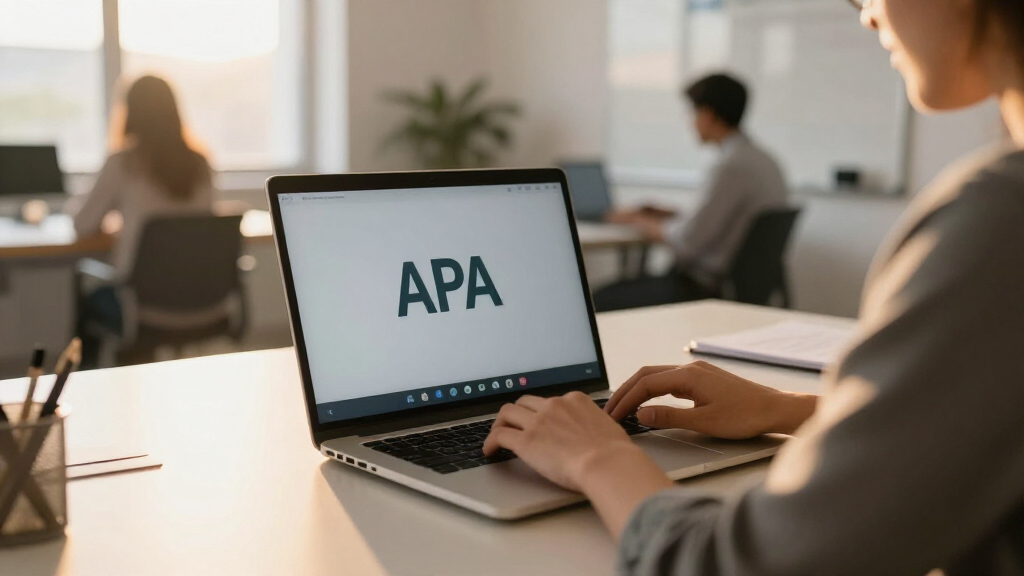
OpenAI has announced a partnership with the American Psychological Association (APA) aimed at enhancing responsible AI use for youth mental health. The collaboration seeks to incorporate psychological expertise into AI safety measures for teenagers, though specific details about projects, funding, or timelines have not been disclosed. This initiative underscores concerns about the impact of conversational AI on young users and the need for expert-driven safeguards.
The partnership was publicly announced by OpenAI in March 2026, emphasizing joint efforts to improve age-appropriate protections and tools for parents. For more details, see the original analysis on responsible AI and youth mental health here. While OpenAI has implemented measures such as behavioral principles for under-18 users, parental controls, and restrictions on sensitive content, it remains responsible for the safety and policy decisions of its products. The APA’s involvement aims to inform how AI systems identify signs of distress, redirect sensitive conversations, and promote offline human support, especially for vulnerable teenagers.
However, the collaboration does not imply that ChatGPT or similar AI models are being officially designated as mental health services. The APA has clearly stated that general-purpose AI chatbots should not replace qualified mental health professionals. The details of the partnership’s scope, including funding, governance, and specific evaluation methods, have not been made public, leaving many questions about how progress will be measured or verified. This is discussed in the original analysis.
Implications for AI Safety and Teen Well-being
This partnership is part of ongoing efforts within the industry to address concerns related to AI use among adolescents. As teenagers increasingly use conversational AI for information, companionship, and emotional support, establishing safeguards is considered important. The collaboration could influence industry standards for age checks, content moderation, and parental notifications, potentially affecting future regulations and product designs. For families, educators, and clinicians, the focus will be on whether this work results in measurable safety improvements.
parental control AI tools for teenagers
As an affiliate, we earn on qualifying purchases.
As an affiliate, we earn on qualifying purchases.
Growing Concerns About AI’s Impact on Youth
There has been increased discussion about how AI tools like ChatGPT are used by teenagers, raising questions about developmental effects and trust in technology. The APA has previously issued guidance warning that young users may over-trust AI systems or perceive them as more capable than they are. The organization has called for stronger privacy protections, AI literacy, and rigorous testing that considers social and psychological development. Meanwhile, OpenAI has expanded its youth safety measures, including model rules and family resources, but these are not peer-reviewed safety certifications.
“AI chatbots should not be seen as substitutes for professional mental health care, but we can work to make them safer for youth.”
— American Psychological Association representative
As an affiliate, we earn on qualifying purchases.
Unanswered Questions About Partnership Scope
Details remain unclear regarding the funding sources, duration, and governance of the partnership. It is not known whether the APA will review specific model releases, conduct independent testing, or publish findings. The absence of a formal research protocol or evaluation schedule leaves uncertainty about how progress and safety improvements will be measured or verified. It is also unclear how youth and parent participation will be incorporated or how disagreements over safety issues will be handled.
As an affiliate, we earn on qualifying purchases.
Monitoring Future Developments and Evaluation Plans
OpenAI and the APA are expected to publish more detailed plans, including specific projects, timelines, and evaluation criteria. Observers should look for evidence of external assessments, youth participation, and public reporting of safety outcomes. The next steps involve transparency about how the collaboration influences model behavior and product design. Continued review will be necessary as AI models evolve and teen usage patterns change, to ensure safeguards remain effective and appropriate.
teen mental health monitoring devices
As an affiliate, we earn on qualifying purchases.
As an affiliate, we earn on qualifying purchases.
Key Questions
What exactly did OpenAI and the APA announce?
They announced a partnership aimed at improving AI safety for youth mental health, but specific projects, funding, and timelines have not been disclosed.
Does this mean ChatGPT is now a mental health tool?
No. The APA has stated that AI chatbots should not replace qualified mental health professionals, and the partnership does not establish ChatGPT as a therapy service.
Will this change how ChatGPT interacts with teenagers?
Potentially, as the collaboration may influence safeguards, conversational boundaries, and parental controls, but no specific product updates have been announced yet.
Has the partnership proven that ChatGPT is safe for young users?
No. The partnership is an announcement of collaboration efforts; safety improvements and safety verification are still to be demonstrated through future evaluation.
Source: ThorstenMeyerAI.com
Fall Picks
fall essentials
As an affiliate, we earn on qualifying purchases.