📊 Full opportunity report: Simplify Helpdesk Platform Changes With Effective Workflow Cloning on IdeaNavigator AI — validation score, market gap, and execution plan.
TL;DR
A helpdesk workflow cloning tool is in development to automate migration of macros, rules, and automations between platforms. It targets support ops leads switching platforms like Zendesk, Intercom, and Freshdesk, promising significant time savings. Validation involves testing on real migrations and securing vendor funding.
A new workflow cloning tool is being developed to automate the migration of support team workflows between helpdesk platforms such as Zendesk, Intercom, and Freshdesk. The tool aims to export and translate macros, routing rules, SLAs, and automations, significantly reducing the manual effort typically required during platform switches. This innovation targets support operations leaders managing complex workflows and promises to cut migration time from months to weeks or days.
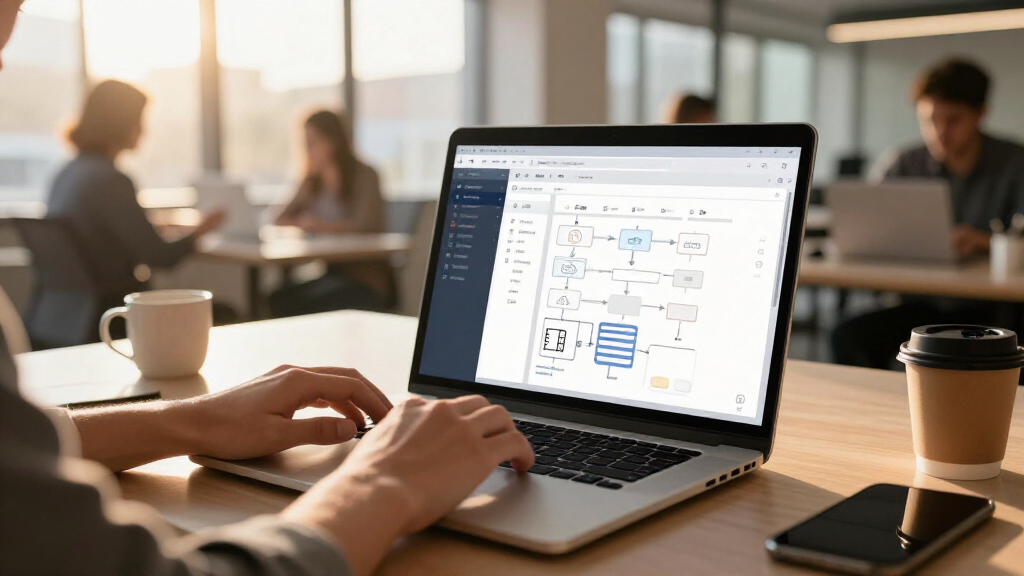
The proposed workflow cloner is designed to connect to the source helpdesk platform, extract all relevant workflow configurations—including macros, triggers, SLA policies, and routing rules—and then translate these into the target platform’s equivalent via API. The process includes generating an exceptions report for logic that cannot be automatically translated, requiring human review. The tool is intended to be used initially in a narrow, controlled setting, such as support ops teams migrating between platforms, with plans to expand its use after validation.
According to IdeaNavigator AI, the development is motivated by the rapid shift away from legacy helpdesk systems driven by AI-native support platforms. The tool leverages large language models (LLMs) to interpret and map workflow configurations across different platform paradigms, a step beyond simple field mapping. The initial MVP aims to demonstrate its value by cloning workflows for five real customer migrations, measuring how much manual rework it can eliminate. Revenue would come from per-project fees, with potential referrals from platform vendors to subsidize switching costs.
Impact on Helpdesk Migration Efficiency
This development could significantly reduce the time and labor costs associated with switching helpdesk platforms, a process often hampered by complex workflows built over years. By automating the translation of macros, routing rules, and automations, support teams can minimize downtime and reduce the risk of errors during migration. The ability to quickly replicate workflows may also encourage companies to adopt newer, AI-native support solutions more rapidly, fostering innovation in customer service operations.
Furthermore, this tool could reshape the competitive landscape among helpdesk vendors by lowering the barriers to switching, thus increasing market fluidity. Support ops leaders stand to benefit from faster transitions, less disruption, and more flexibility to adapt to evolving customer support technologies. However, the success of the tool depends on its accuracy and ability to handle complex, customized workflows, which remains to be proven in broader deployments.
helpdesk platform workflow migration tool
As an affiliate, we earn on qualifying purchases.
As an affiliate, we earn on qualifying purchases.
Background on Helpdesk Migration Challenges
Migrating between helpdesk platforms like Zendesk, Intercom, and Freshdesk has traditionally been a complex, time-consuming process. Organizations often face months of manual work to rebuild macros, routing rules, SLAs, and automations, which are typically customized over years of support operations. Existing migration tools focus mainly on ticket transfer, leaving workflow logic largely intact but requiring manual reconstruction of support automation logic.
Recent advances in AI, particularly large language models, have opened the possibility of automating this process by interpreting and translating workflow configurations across different platforms. This approach is still in early development stages, with initial pilots testing the feasibility of exporting and converting workflow data to reduce manual effort and errors. The current push for AI-native support platforms accelerates interest in solutions that can facilitate seamless switching, making this an urgent area for innovation.
helpdesk macro export import software
As an affiliate, we earn on qualifying purchases.
As an affiliate, we earn on qualifying purchases.
Uncertainties Around Tool Accuracy and Adoption
It is not yet clear how accurately the tool can translate complex, highly customized workflows across different platforms, or how well it handles edge cases. The initial testing phase involves only five real migrations, which may not fully represent the diversity of real-world workflows. Additionally, the extent to which platform vendors will support or endorse the tool remains uncertain, as does the willingness of support teams to rely on automated translation for critical workflows.
helpdesk automation migration software
As an affiliate, we earn on qualifying purchases.
As an affiliate, we earn on qualifying purchases.
Next Steps for Validation and Market Adoption
Next steps include completing initial testing on five real customer migrations and measuring the reduction in manual rework hours. Success in these pilots could lead to securing funding from helpdesk platform vendors, who may see this as a value-added service to facilitate switching. Broader deployment and refinement will follow, with plans to expand the tool’s capabilities and validate its effectiveness across more complex workflows. Industry adoption will depend on demonstrating consistent accuracy and reliability in diverse support environments.
helpdesk platform switch automation tool
As an affiliate, we earn on qualifying purchases.
As an affiliate, we earn on qualifying purchases.
Key Questions
How does the workflow cloning tool work?
The tool connects to a source helpdesk platform, exports all workflow-related configurations, and then uses AI to translate these into the target platform’s format via API. It generates an exceptions report for any logic that cannot be automatically converted, requiring human review before application.
What platforms are targeted for initial use?
The initial focus is on migrating workflows between popular helpdesk platforms such as Zendesk, Intercom, and Freshdesk, which are commonly used by support teams worldwide.
What benefits does this tool offer support ops teams?
The primary benefit is a significant reduction in manual effort and time needed to rebuild workflows during platform switches, potentially saving months of work and reducing errors.
When will the tool be generally available?
The development is still in early stages, with initial testing underway. Broader availability depends on successful validation and potential vendor support, which are still in progress.
Could this technology be applied to other support automation tasks?
While initially focused on workflow migration, the underlying AI translation technology could eventually support other automation and configuration tasks across different support platforms.
Source: IdeaNavigator AI






![Google DeepMind Eyes Self-Improving AI In 1 Year [2026]](https://deepintellica.com/wp-content/uploads/2026/09/google-deepmind-eyes-self-improving-ai-in-1-year-2026-featured-260x140.jpg)