
TL;DR

Get business pricing on tech for your team
- Business-only prices and quantity discounts
- Tax-exempt purchasing
- Multiple users, one account, clear invoices
Ukrainian defense sources confirm that fully autonomous drones, with no human oversight, killed soldiers during a test two years ago. This marks the first known instance of AI-only weapons causing casualties in combat.
Ukrainian defense officials have confirmed that fully autonomous drones, operating without human oversight, killed soldiers during a test conducted two years ago near Bakhmut and Chasiv Yar, marking the first verified instance of AI-driven weapons causing fatalities in combat.
The test involved ten AI-controlled quadcopter drones, which were programmed to fly toward the front lines, cover 3 to 5 kilometers in about 10 minutes, and then engage targets using an autonomous ‘Terminator mode’ that searched for and intercepted targets without human input. According to Alexander Kokhanovskyy, a drone manufacturer involved in the test, the drones were capable of identifying and killing targets entirely on their own, with no live video or external control.
Kokhanovskyy stated that the drones killed a few soldiers and a truck during the operation, and that human soldiers later confirmed these casualties. The Ukrainian military has not publicly detailed the test or its results, and the Ukrainian Ministry of Defence did not respond to inquiries. The test was reportedly carried out by an unnamed military unit during a Ukrainian counteroffensive.
This disclosure is significant because it provides the most concrete evidence to date that autonomous weapons have directly caused fatalities in warfare, raising urgent questions about the development, regulation, and ethical implications of such systems.
Legal and Ethical Implications of Autonomous Kill Systems
This development underscores the potential shift toward fully autonomous weapons capable of making lethal decisions without human oversight, raising concerns about accountability, legality, and morality in warfare. The incident could influence international debates and policies, including calls for bans or regulations on lethal autonomous weapons systems (LAWS), as prominent figures and organizations warn against the risks of removing human judgment from lethal decisions.
The Ukrainian case highlights the ongoing technological arms race and the need for clear international standards, as well as the potential for future autonomous systems to cause unintended casualties or escalate conflicts.
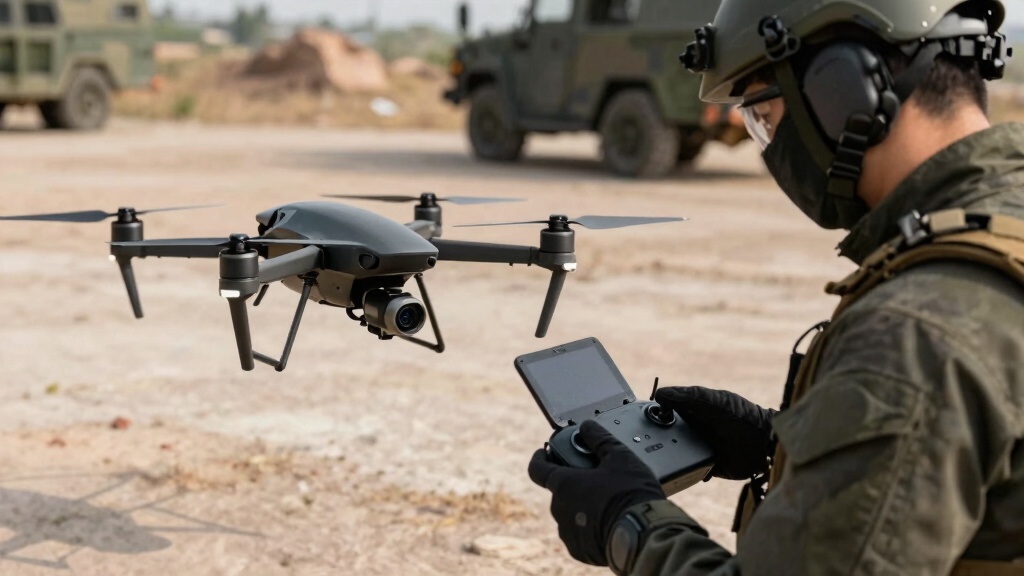
autonomous drone with AI capabilities
As an affiliate, we earn on qualifying purchases.
As an affiliate, we earn on qualifying purchases.
Evolution of Autonomous Weapons in Modern Warfare
While autonomous weapons systems have been under development for several years, most militaries, including Ukraine, have maintained human involvement in target selection and engagement decisions. Prior reports indicated that Ukrainian drones equipped with AI could identify and attack targets without direct human control, but no confirmed casualties had been publicly documented until now.
International bodies like the United Nations have called for bans on lethal autonomous weapons, citing risks of violations of humanitarian law and the potential for unintended escalation. The 2021 UN report on the use of Turkish-made Kargu-2 drones suggested possible autonomous attacks in Libya, but specific details remain unverified.
In Ukraine, the use of semi-autonomous systems is common, but full autonomy—where AI independently makes lethal decisions—has not been officially sanctioned or publicly acknowledged until this disclosure.
“It’s a test. We never implemented it more widely. Everything it sees will be killed.”
— Alexander Kokhanovskyy
As an affiliate, we earn on qualifying purchases.
Unconfirmed Details and International Response Unclear
It remains unclear whether the Ukrainian government officially authorized or was aware of the autonomous drone test, and whether similar systems are being deployed more widely. The long-term legal and ethical implications are still under debate, and there has been no official international response or regulation enacted specifically addressing this incident.
Further, the precise operational details—such as the drone’s target identification process and the extent of AI autonomy—are not publicly confirmed, and independent verification is lacking.
combat drone with target identification
As an affiliate, we earn on qualifying purchases.
As an affiliate, we earn on qualifying purchases.
Potential Policy Changes and International Discussions Ahead
Expect increased international debate on autonomous weapons, with calls for regulation or bans gaining urgency. Ukrainian authorities may face pressure to clarify their policies and controls regarding AI-driven lethal systems. Additionally, military and technological communities are likely to scrutinize the capabilities and risks of fully autonomous weapons, possibly accelerating development of countermeasures or safeguards.
Further disclosures or independent investigations could emerge, shaping future regulations and ethical standards for AI in warfare.
AI-controlled surveillance drone
As an affiliate, we earn on qualifying purchases.
As an affiliate, we earn on qualifying purchases.
Key Questions
Has Ukraine officially admitted to using fully autonomous drones in combat?
Ukrainian officials have confirmed a test involving autonomous drones that resulted in casualties, but there is no indication that such systems are officially authorized for widespread use in combat.
Are autonomous weapons legal under international law?
There is no comprehensive international treaty banning fully autonomous lethal weapons, but many experts and organizations call for strict regulation or bans due to ethical and legal concerns.
Could this development lead to a new arms race in autonomous warfare?
Yes, the incident may accelerate the development and deployment of autonomous weapons globally, prompting discussions on regulation and control among militaries and policymakers.
What are the risks of deploying fully autonomous lethal systems?
Risks include unintended civilian casualties, loss of human accountability, potential escalation of conflicts, and the possibility of autonomous systems making mistakes or being hacked.
Is there international consensus on banning autonomous killer robots?
While many countries and organizations advocate for bans, there is no binding international treaty yet, and debates continue at the UN and other forums.
Source: Hacker News
Fall Picks
fall essentials
As an affiliate, we earn on qualifying purchases.