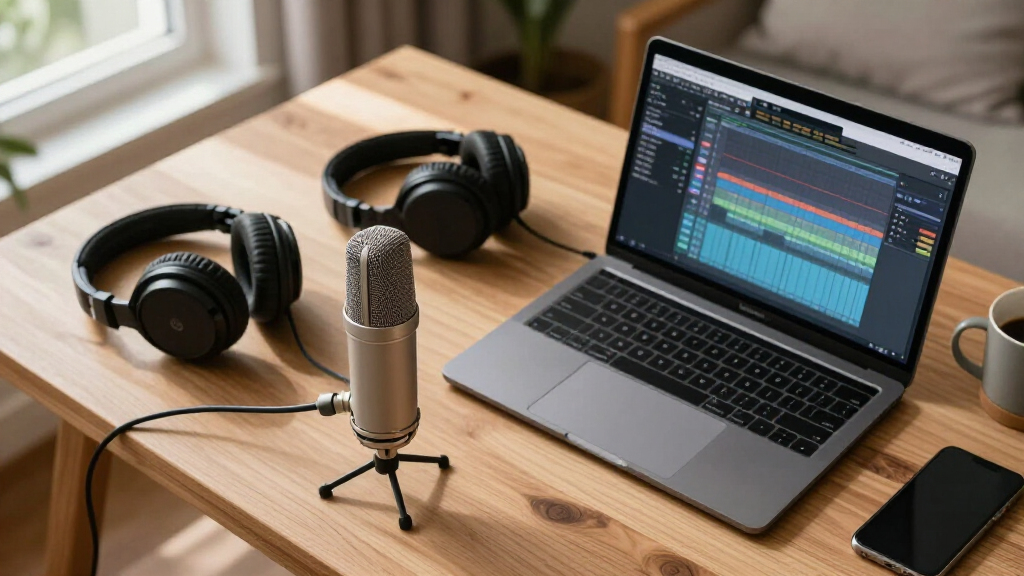

🔍 Read the full analysis: Best Microphones For AI Voice Recording: Studio Condenser Picks 2026 on ThorstenMeyerAI.com
TL;DR
In 2026, the best microphones for AI voice recording include the RØDE NT1 Signature as the top overall choice, with budget options like Audio-Technica AT2020 also highly recommended. Connectivity, build quality, and features vary, impacting suitability for different users.
The 2026 selection of studio condenser microphones for AI voice recording features standout models like the RØDE NT1 Signature, which is now considered the top overall choice for its exceptional sound and durability, according to industry experts. This update reflects ongoing advancements in microphone technology and a growing demand for high-quality voice capture in AI applications, making these models essential for professionals and enthusiasts alike.
The RØDE NT1 Signature remains the leading recommendation due to its pristine audio clarity, robust build, and versatile performance, making it suitable for both studio and home environments. The Audio-Technica AT2020 continues to be a popular budget-friendly option, offering reliable sound quality at a lower price point, ideal for beginners or those with limited budgets. Additionally, the RØDE NT1 5th Gen introduces USB-C connectivity, catering to modern digital setups, although it comes with a higher price tag.
Microphone selection depends heavily on user needs, with connectivity options playing a key role: USB microphones provide ease of use, while XLR models generally deliver higher audio fidelity and expandability. Build quality remains a critical factor, especially for frequent or mobile recording, with metal construction and included accessories like shock mounts enhancing longevity and performance. Price points reflect feature sets, with premium models offering multiple pickup patterns and noise rejection, whereas more affordable options still deliver solid results for basic recording tasks.
Why High-Quality Microphones Matter for AI Voice Recording
As AI voice applications become more prevalent in industries like virtual assistants, content creation, and voice cloning, the need for crystal-clear, natural-sounding recordings grows. High-quality microphones like those highlighted in 2026 ensure that AI systems can accurately interpret voice data, reducing errors and improving overall performance. For professionals, this means better training data and more reliable outputs; for hobbyists, it offers a way to produce studio-grade content at home. The evolution of microphone technology directly impacts the quality and realism of AI-generated voices, making these picks vital for anyone involved in voice AI development or production.
best studio condenser microphone 2026
As an affiliate, we earn on qualifying purchases.
As an affiliate, we earn on qualifying purchases.
Evolution of Microphone Technology in 2026
Over the past few years, condenser microphone technology has advanced significantly, with models now offering improved frequency response, lower self-noise, and enhanced connectivity options. The 2026 lineup reflects these trends, with brands like RØDE and Audio-Technica releasing models that balance professional-grade sound with user-friendly features. The introduction of USB-C connectivity in the RØDE NT1 5th Gen exemplifies the push toward more streamlined digital workflows, while traditional XLR models continue to serve high-end professional environments. The market also sees a growing emphasis on durability and versatility, accommodating the needs of remote recording, mobile studios, and AI voice training setups.
“The 2026 microphone lineup clearly prioritizes both sound quality and user convenience, reflecting the demands of modern AI voice applications.”
— Thorsten Meyer, audio technology expert
As an affiliate, we earn on qualifying purchases.
Unresolved Questions About 2026 Microphone Choices
While the top models are well-established, it is not yet clear how new innovations in digital signal processing or upcoming models will influence future recommendations. The long-term durability of some budget options under intensive use remains to be seen, and the impact of emerging connectivity standards beyond USB-C is still developing. Additionally, the true performance differences in real-world AI training environments versus controlled testing are not fully documented yet, leaving some uncertainty about how these microphones perform in diverse settings.
As an affiliate, we earn on qualifying purchases.
Next Steps in Microphone Development and Selection
Manufacturers are expected to release updated models with further noise reduction, improved connectivity, and enhanced durability throughout 2026. Industry experts recommend monitoring upcoming launches and user reviews to refine choices. For users, the immediate next step is to assess their specific recording needs—whether for professional AI voice training, content creation, or hobbyist use—and select a model that balances sound quality, connectivity, and budget. As AI voice technology continues to evolve, so too will microphone features, making ongoing evaluation essential.
USB-C condenser microphone for voice recording
As an affiliate, we earn on qualifying purchases.
As an affiliate, we earn on qualifying purchases.
Key Questions
Do I need an audio interface for condenser microphones?
Most condenser microphones, especially XLR models, require an audio interface to connect to a computer, as it supplies phantom power and converts analog signals into digital data. USB microphones have integrated interfaces, making them easier for beginners. Your choice depends on your setup and future expansion plans.
Are condenser microphones suitable for live performances?
While technically possible, condenser microphones are generally not recommended for live stage use due to their high sensitivity and susceptibility to feedback. They perform best in controlled environments like studios or home recording setups. For live vocals, dynamic microphones are typically preferred.
What features should I prioritize when choosing a microphone for AI voice recording?
Key features include sound quality (wide, flat frequency response), connectivity options (USB vs. XLR), build durability, and noise rejection. Consider your recording environment and whether additional accessories like shock mounts or pop filters are needed to enhance performance.
Is the RØDE NT1 Signature suitable for beginners?
Yes, the RØDE NT1 Signature offers professional sound quality with user-friendly features, making it suitable for both beginners and experienced users. Its durability and included accessories add to its appeal for a broad range of users.
How important is connectivity type for future-proofing my microphone?
Connectivity impacts ease of use and potential upgrades. USB-C offers faster data transfer and compatibility with modern devices, while XLR provides higher audio fidelity and expandability with professional audio interfaces. Consider your long-term setup when choosing.
Source: ThorstenMeyerAI.com