
As the AI boom accelerates, concerns grow about U.S. electricity shortages due to soaring data center energy demands. AI workloads could soon consume a significant share of power, with projections reaching up to 20% of global electricity use by 2030. This surge increases pressure on existing infrastructure, raises environmental worries, and highlights a lack of transparency about actual energy impacts. If you want to understand how these trends might affect your energy future, there’s more to explore.

Get tech for your team delivered free — and shop member deals
- Fast, free delivery on millions of items
- Access to Prime Big Deal Days deals on October 6–7
- Prime Video, Amazon Music and more included
Key Takeaways
- Growing AI workloads in data centers may significantly increase U.S. electricity demand, risking supply shortages.
- AI training requires extensive, continuous GPU/TPU use, straining existing power infrastructure.
- Data centers’ rising energy use could account for up to 20% of global electricity by 2030, impacting U.S. capacity.
- Limited transparency on data center energy consumption hampers effective regulation and planning.
- Increased reliance on fossil fuels for energy to meet AI demand heightens risks of carbon emissions and grid instability.
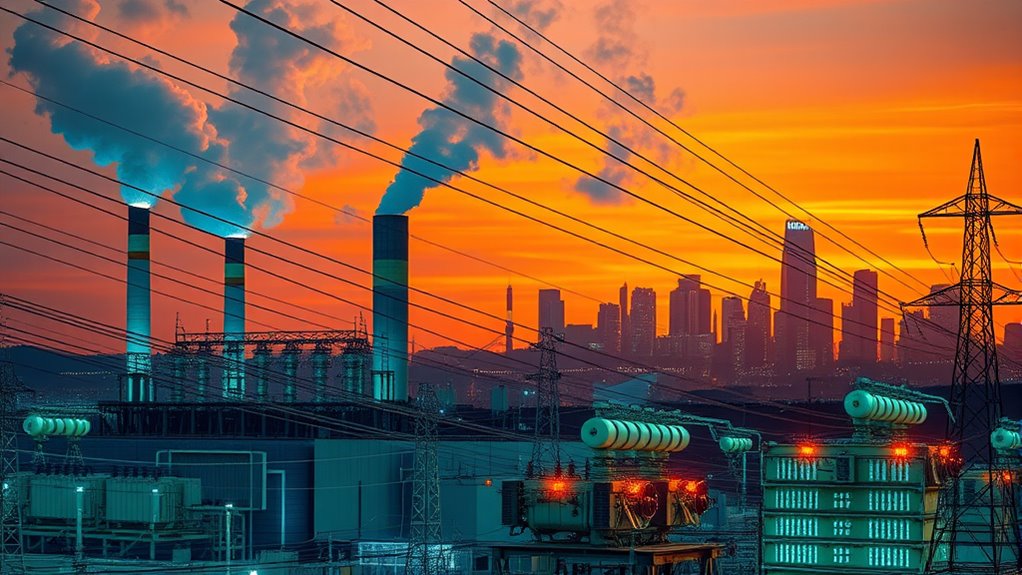
The rapid growth of AI and data centers is fueling a surge in U.S. electricity demand, raising concerns about potential shortages. By 2025, U.S. power consumption is projected to reach a record 4,179 billion kWh, climbing further to 4,239 billion kWh in 2026. This increase isn’t just driven by traditional uses but heavily impacted by AI and cryptocurrency data centers, which are major contributors to the rising energy load. Alongside heating and transportation, these sectors are expected to push commercial sector electricity use to grow about 5% annually through 2026. In fact, data centers accounted for 4.4% of the nation’s electricity demand in 2023, with forecasts indicating this could rise to 6% by 2026. Globally, data center energy demand is predicted to increase by 50% by 2027 and potentially triple by 2030 compared to 2023, intensifying the strain on power grids. In 2024, the U.S. recorded a record power demand of 4,082 billion kWh, highlighting the rapid growth of energy consumption.
AI’s influence on infrastructure is profound. By 2027, AI-driven workloads could consume nearly 27% of data center power demand, with cloud services taking up half and traditional IT accounting for 23%. Training advanced AI models demands thousands of GPUs or TPUs working nonstop for weeks or months, generating enormous heat and requiring extensive cooling infrastructure. This continuous high power draw puts immense pressure on existing power systems. Looking ahead to 2030–2035, data centers might utilize up to 20% of global electricity, markedly stressing worldwide power grids. To meet this demand, energy production is shifting toward renewables and coal, moving away from natural gas due to rising costs. Expanding data centers also requires substantial investments in power and cooling systems to avoid shortages, creating logistical and financial challenges.
The environmental impact is alarming. AI data centers’ global electricity use may more than double by 2030, surpassing the energy consumption of entire countries like Japan. About 60% of the additional electricity needed is expected to come from fossil fuels, adding roughly 220 million tons of CO2 annually. This high carbon footprint conflicts with climate goals, especially since AI workloads also increase water consumption for cooling, stressing water resources. Furthermore, the environmental sustainability of these energy-intensive operations remains a concern, as many data centers lack comprehensive reports on their water and power use. Transparency remains limited; detailed energy and water usage data are rarely disclosed, making it difficult for policymakers to measure and regulate the sector’s impact. The high-performance hardware needed for training large AI models demands immense power, often concentrated in just a few organizations capable of affording such infrastructure, amplifying concerns about future shortages and environmental sustainability.
high efficiency GPU cooling fans
As an affiliate, we earn on qualifying purchases.
As an affiliate, we earn on qualifying purchases.
Frequently Asked Questions
How Might AI Development Impact Renewable Energy Adoption?
AI development can considerably boost renewable energy adoption by improving forecasting accuracy, optimizing system performance, and streamlining project deployment. You’ll see faster grid integration and better management of intermittent sources like solar and wind. Plus, AI helps reduce operational costs through predictive maintenance, making renewable projects more attractive to investors. However, you should also consider the increased energy demands of AI itself, which could challenge sustainability efforts if not managed properly.
What Policies Are in Place to Prevent Electricity Shortages?
Imagine the grid as a mighty river, flowing steadily but threatened by droughts and blockages. To prevent shortages, policies like the 2025 Executive Order empower you to act swiftly, keeping power plants open and bolstering reserve capacity. The DOE’s emergency orders and infrastructure upgrades serve as dams and channels, ensuring your energy supply remains uninterrupted during peak demands, especially as AI’s growth demands more reliable, resilient power sources.
How Does Energy Consumption From AI Compare Globally?
You should know that globally, AI energy consumption is rising rapidly, especially in the U.S. and China, which lead in AI development and data center use. By 2030, data centers could account for up to 50% of electricity growth, considerably impacting emissions. While some regions rely on fossil fuels, others are shifting towards renewables, but overall, AI’s energy demands are a major factor driving increased global electricity use.
Are There Technological Solutions to Balance AI Energy Demands?
Think of AI’s energy demands as a balancing act on a tightrope; technological solutions act as your safety net. You can deploy hardware optimizations like pruning and quantization, which reduce load without sacrificing performance. Integrate renewable energy sources and smart grids to stabilize supply. Use AI-driven predictive cooling and energy-aware algorithms to optimize consumption. These tools help you maintain equilibrium, preventing strain on the power system while advancing AI capabilities.
What Role Do Consumers Play in Managing Increased Electricity Use?
You play a crucial role in managing increased electricity use by making smart choices. You can adopt energy-efficient appliances, switch to LED lighting, and use smart thermostats to optimize your energy consumption. Shifting EV charging to off-peak hours, installing solar panels, and participating in demand response programs help reduce grid stress. Small behavioral adjustments, like unplugging unused devices, also contribute markedly to easing demand and supporting a reliable, sustainable power system.
energy-efficient data center cooling systems
As an affiliate, we earn on qualifying purchases.
As an affiliate, we earn on qualifying purchases.
Conclusion
As you witness this AI boom unfold, remember that history’s lessons on resource management still hold true, much like the days of the Industrial Revolution. If you don’t stay vigilant, the surge in data centers and machine learning infrastructure could strain the nation’s electricity grid, risking shortages. Just as the advent of the internet once promised endless connectivity, this new era demands prudence to avoid being caught flat-footed in our own modern renaissance.
As an affiliate, we earn on qualifying purchases.
As an affiliate, we earn on qualifying purchases.
Fall Picks
fall essentials
As an affiliate, we earn on qualifying purchases.