
TL;DR

Get business pricing on tech for your team
- Business-only prices and quantity discounts
- Tax-exempt purchasing
- Multiple users, one account, clear invoices
A new mobile app uses phone cameras and guided lighting to objectively score teeth shades, helping consumers track whitening progress at home. Validated against dentist standards, it could transform DIY whitening routines.
A phone-camera shade scoring system for home teeth whitening is being tested as a new tool to objectively measure whitening progress, addressing a longstanding challenge for consumers. This development could significantly impact the way people evaluate and select whitening products, moving away from subjective visual assessments to data-driven results.
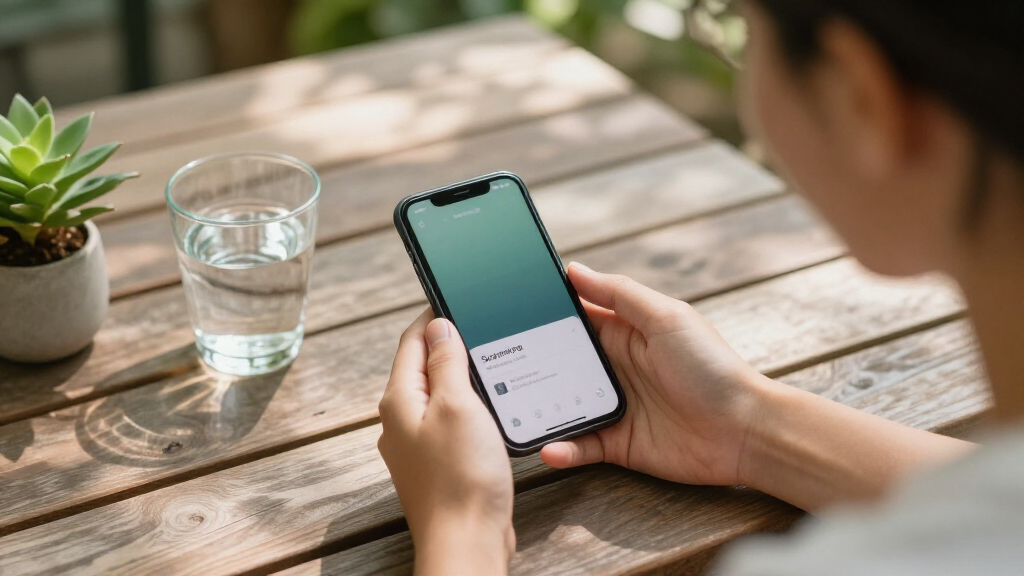
The system involves a guided-lighting photo flow that captures images of the teeth using a smartphone camera, then compares the shade against a calibrated dental shade scale. The goal is to plot tooth shade changes over time, identify which products produce measurable whitening, and provide personalized recommendations based on user data. This approach aims to reduce the guesswork involved in home whitening, which currently relies on subjective visual judgment in bathroom mirrors.
According to sources involved in the project, the app will be validated by benchmarking its shade scores against dentist-grade VITA readings across a sample of fifty users. The aim is to establish a strong correlation that can reliably rank whitening products and monitor progress objectively. The system is designed to support subscription and affiliate revenue models, offering users access to personalized insights and product suggestions based on proven effectiveness.
Market analysts see this as a potential breakthrough in consumer oral care and beauty tech, where measurable results are increasingly valued. The development is still in testing, with the main focus on validating the accuracy and consistency of the shade scores compared to professional standards. If successful, the technology could become a standard feature in home whitening routines, empowering consumers with data rather than guesswork.
Why Objective Shade Measurement Matters for Consumers
This technology could revolutionize home teeth whitening by providing an objective, quantifiable measure of progress, which has traditionally been impossible without professional tools. It addresses a key consumer pain point: the difficulty of accurately assessing whitening results at home. By offering a reliable way to track shade changes, the app could improve user satisfaction, reduce product cycling, and enhance confidence in DIY whitening routines.
Furthermore, the ability to compare product effectiveness based on measurable outcomes could influence market dynamics, encouraging brands to develop more effective formulations and transparent marketing claims. It also opens opportunities for personalized treatment plans, similar to professional dental care, but accessible directly from consumers’ smartphones.
As an affiliate, we earn on qualifying purchases.
Background on Home Whitening and Measurement Challenges
For years, home teeth whitening has relied on subjective visual assessments, which are prone to inaccuracies and inconsistencies. Consumers often cycle through various products—strips, trays, LED kits—without clear feedback on whether these treatments are actually improving their tooth shade. This uncertainty leads to frustration, wasted money, and sometimes overuse or misuse of whitening agents.
Professional dental practices use calibrated shade guides like VITA to assess tooth color precisely, but such tools are not accessible to the average consumer. Recent advances in smartphone camera technology and guided lighting have created opportunities to bridge this gap, allowing consumers to obtain more accurate shade readings at home. The current development aims to validate this approach and potentially establish a new standard for at-home whitening monitoring.
“The goal is to create a reliable, easy-to-use tool that can objectively measure whitening progress, similar to what dentists do with calibrated shade guides.”
— an anonymous researcher
teeth whitening progress tracker app
As an affiliate, we earn on qualifying purchases.
As an affiliate, we earn on qualifying purchases.
Unconfirmed Aspects of App Validation and Adoption
While the project is in the testing phase, it is not yet confirmed how closely the app’s shade scores will match professional dental readings across diverse populations and lighting conditions. The strength of the correlation and its consistency remain to be fully validated. Additionally, it is unclear how quickly the technology will be adopted by consumers or integrated into commercial products, and whether regulatory or industry standards will influence its rollout.
home teeth whitening kit with shade guide
As an affiliate, we earn on qualifying purchases.
As an affiliate, we earn on qualifying purchases.
Next Steps for Validation and Market Rollout
The developers plan to conduct benchmarking studies with fifty users, comparing app scores against dentist VITA readings. Successful validation could lead to broader clinical testing, refinement of the user interface, and eventual commercial launch. Further, partnerships with whitening brands and dental professionals may accelerate adoption, while ongoing research will aim to improve accuracy and usability. Expect updates on validation results and potential product integrations over the coming months.
smartphone teeth whitening measurement device
As an affiliate, we earn on qualifying purchases.
As an affiliate, we earn on qualifying purchases.
Key Questions
How accurate is the phone-based shade scoring system?
The system is currently in validation, with the goal of achieving a strong correlation with professional VITA shade readings. Final accuracy levels will depend on ongoing testing results.
Can I use this app at home now?
The technology is still in the testing phase and is not yet available for consumer use. Further validation is required before commercial release.
Will this replace professional dental shade assessments?
While it aims to provide an objective measure for consumers, it is not meant to replace professional assessments but to complement them by offering more reliable at-home tracking.
How might this technology change the whitening market?
If successful, it could lead to more transparent product efficacy claims, reduce consumer frustration, and foster innovation based on measurable results.
What are the limitations of using a phone camera for shade measurement?
Lighting conditions, camera quality, and user technique can affect accuracy. Ongoing validation aims to mitigate these issues and establish standard protocols.
Source: IdeaNavigator AI
Columbus Day / Indigenous Peoples' Day Picks
long weekend sales
As an affiliate, we earn on qualifying purchases.